






Introduction
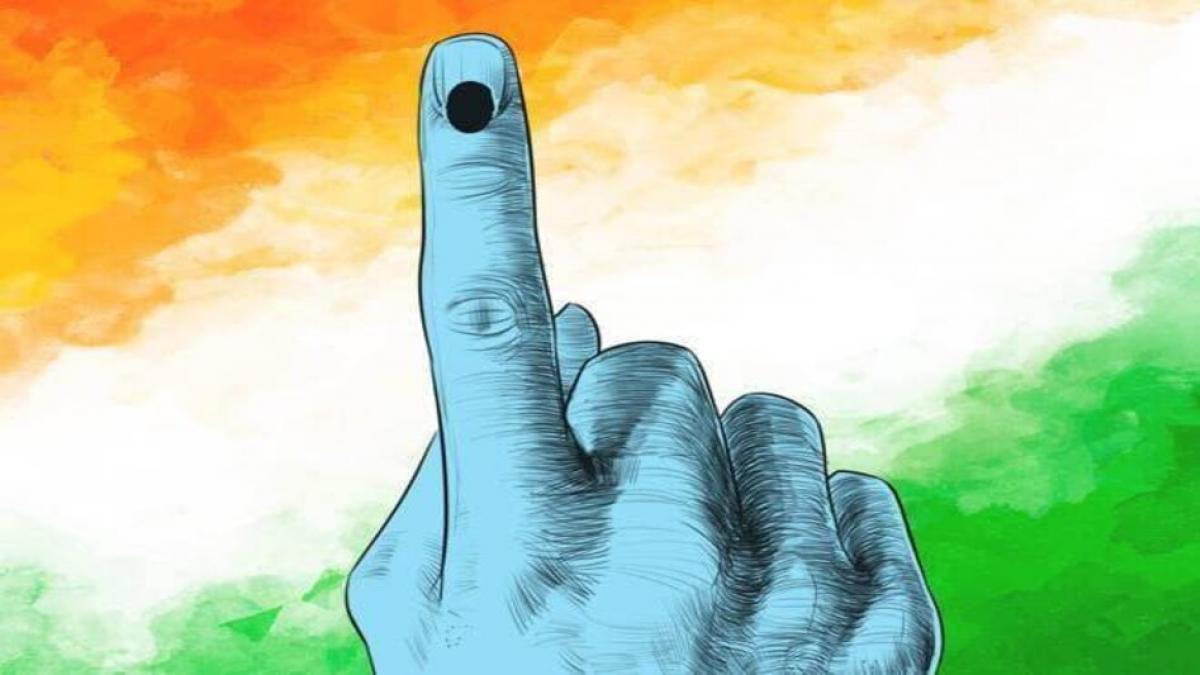
India conducted elections for several seats in the Rajya Sabha, the upper house of the country’s Parliament. Legislators from multiple state assemblies participated in the voting process to elect new members. Key states involved in this round of elections included Bihar, Haryana, and Odisha. Political parties fielded their candidates and mobilized support among state legislators to secure the available seats.
Also Read: Brazilian Model Larissa Responds to Allegations of Rahul Gandhi’s Vote Chori Connection
Election Process
The election to the Rajya Sabha follows an indirect voting system. Members of the Legislative Assemblies (MLAs) in each state cast their votes to elect representatives. The process uses the proportional representation system through the single transferable vote method. This system ensures that parties gain seats according to their strength in the state assemblies.
Election authorities organized the polling smoothly in the respective state capitals. Legislators arrived at designated polling centers and cast their votes under strict supervision. Officials followed established procedures to maintain transparency and fairness during the voting process.
Political Significance
The elections held major political significance because the Rajya Sabha plays a key role in the legislative process. Members of the upper house review, debate, and approve bills passed by the Lok Sabha. Political parties closely monitored the results since the outcome could influence the balance of power in Parliament.
In states like Bihar, Haryana, and Odisha, parties carefully calculated their legislative strength before nominating candidates. Some seats witnessed straightforward contests due to clear majorities, while others attracted greater attention because of competitive political dynamics.
Participation and Oversight
The Election Commission of India supervised the entire process to ensure compliance with electoral rules. Officials monitored voting activities and implemented security measures to prevent irregularities. Political observers also followed the proceedings closely, as the elections could affect legislative debates and policy decisions at the national level.
Conclusion
The latest round of Rajya Sabha elections highlighted the importance of state legislatures in shaping the composition of India’s Parliament. With states such as Bihar, Haryana, and Odisha participating in the voting process, political parties once again demonstrated the strategic role of legislative numbers in determining representation in the upper house. The newly elected members will soon take their seats and contribute to national debates, lawmaking, and policy discussions in Parliament.
Also Read: NCERT apologises to Supreme Court withdraws Class 8 textbook after controversy