




✨ Thousands Join India’s Largest Transgender Spiritual Gathering
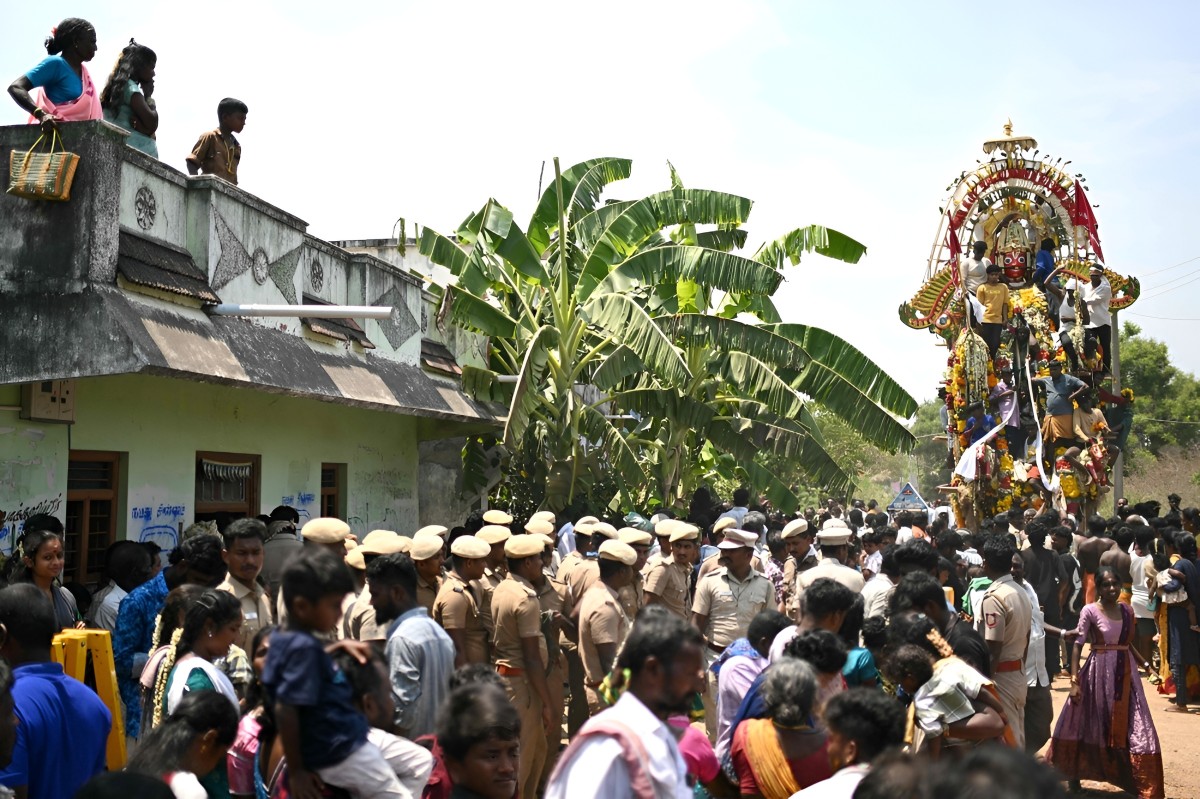
The famous Koovagam Festival in Tamil Nadu once again turned into a vibrant celebration of spirituality, identity and community as thousands of transgender women gathered at the historic Koothandavar Temple. Recognised as one of India’s biggest transgender cultural festivals, the annual event attracted participants from different states who arrived in colourful traditional attire to take part in rituals, performances and celebrations.
The festival takes place in Koovagam village in Tamil Nadu’s Villupuram district and carries deep religious significance rooted in the Hindu epic Mahabharata. For many members of the transgender community, the event is not only a spiritual occasion but also a symbol of acceptance, unity and pride.
Also Read: Brazilian Model Larissa Responds to Allegations of Rahul Gandhi’s Vote Chori Connection
🌸 Festival Rooted in Mahabharata Tradition
The Koovagam Festival honours the story of Aravan, a warrior from the Mahabharata who agreed to sacrifice his life before the Kurukshetra war. According to mythology, Aravan wished to experience marriage before his sacrifice. Since no woman wanted to become a widow immediately after marriage, Lord Krishna transformed into Mohini and married him.
Every year, transgender devotees recreate this sacred ritual by symbolically marrying Aravan at the temple. Participants wear bridal sarees, jewellery, flowers and sacred threads while priests perform traditional marriage ceremonies. The emotional ritual represents spiritual connection, devotion and recognition of transgender identity within Indian mythology and culture.
💃 Beauty Pageants and Cultural Events Draw Huge Crowds
Apart from religious ceremonies, the festival also featured dance performances, music programs and beauty contests that highlighted confidence and creativity within the transgender community. Participants proudly showcased traditional fashion, talent and cultural expression in front of large audiences.
Several social organisations and activists also organised awareness programs on education, healthcare, legal rights and employment opportunities for transgender individuals. Community leaders used the platform to speak about equality, dignity and social inclusion.
Visitors and tourists from across the country attended the celebrations, making the village vibrant with music, decorations and festive energy. Many participants described Koovagam as a rare space where they feel respected, accepted and emotionally connected with others who share similar experiences.
Emotional Mourning Ritual Marks Festival Finale
The festival concluded with a deeply emotional mourning ceremony symbolising the death of Aravan. After the symbolic marriage rituals, participants removed their bangles, wiped away sindoor and mourned as widows according to tradition.
The ritual reflected grief, sacrifice and devotion while also representing the struggles faced by many transgender individuals in society. Despite challenges such as discrimination and social exclusion, participants expressed strength and solidarity through the centuries-old tradition.
Koovagam Emerges as a Symbol of Pride and Inclusion
Over the years, the Koovagam Festival has grown into more than just a religious gathering. It has become an important cultural event representing visibility, identity and empowerment for India’s transgender community.
Activists believe the festival continues to challenge social stigma while preserving a unique tradition deeply connected to Indian mythology and spirituality. Through celebration, prayer and collective participation, Koovagam sends a strong message of dignity, acceptance and unity.
🔚 Conclusion
The Koovagam Festival once again highlighted the powerful blend of faith, culture and identity that defines one of India’s most unique celebrations. From sacred rituals and colourful performances to emotional moments of remembrance, the festival created a space where thousands found belonging and pride. As the celebrations concluded, Koovagam continued to stand as a living symbol of resilience, spirituality and hope for the transgender community across India.
Also Read: Cannes Festival 2026: Where Art Meets Red-Carpet Glamour