






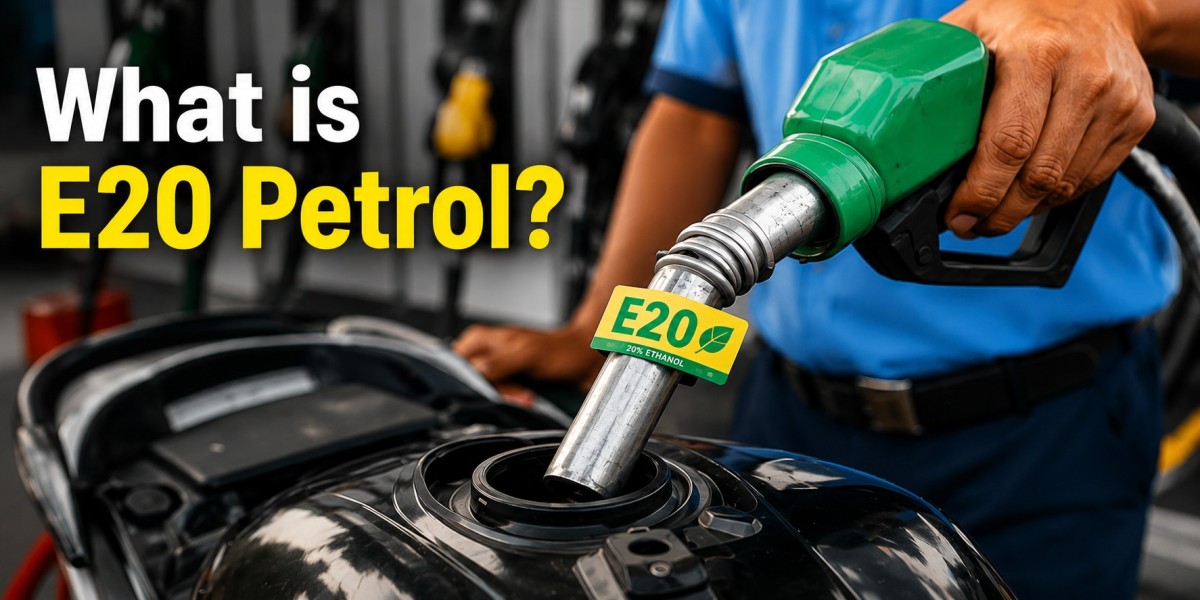
🚗 What is E20 Petrol?
E20 petrol is a blend of 20% ethanol and 80% petrol. Ethanol is a renewable biofuel produced mainly from sugarcane, maize, damaged food grains, and other agricultural feedstocks. By blending ethanol with petrol, India aims to reduce its dependence on imported crude oil, lower harmful vehicle emissions, and support farmers through increased demand for agricultural produce.
The Government of India has been expanding the use of ethanol-blended fuel as part of its clean energy and energy security initiatives. Many new vehicles launched in recent years have been designed or updated to support E20 fuel.
Also Read: Brazilian Model Larissa Responds to Allegations of Rahul Gandhi’s Vote Chori Connection
🌱 Why is India Promoting E20 Petrol?
India imports a significant portion of its crude oil, making the country vulnerable to fluctuations in global oil prices. Ethanol blending helps reduce this dependence while offering environmental and economic benefits.
The major objectives include:
- Reducing crude oil imports and saving foreign exchange.
- Lowering carbon emissions from vehicles.
- Supporting farmers by creating demand for crops used in ethanol production.
- Promoting renewable and sustainable energy.
- Improving the country’s energy security.
⚙️ How is E20 Petrol Different from Regular Petrol?
| Feature | E20 Petrol | Regular Petrol |
|---|---|---|
| Ethanol Content | 20% | Usually up to 10% or less |
| Source | Renewable biofuel + petrol | Fossil fuel |
| Carbon Emissions | Lower | Higher |
| Environmental Impact | More eco-friendly | Less eco-friendly |
| Fuel Compatibility | Requires E20-compatible vehicles for best performance | Compatible with all petrol vehicles |
✅ Benefits of E20 Petrol
🌍 1. Reduces Air Pollution
E20 petrol produces fewer greenhouse gas emissions than conventional petrol. It helps reduce carbon monoxide and other harmful pollutants released by vehicles.
💰 2. Reduces Fuel Import Bills
India spends billions of dollars on crude oil imports every year. Higher ethanol blending decreases petrol consumption, helping the country save foreign exchange.
🌾 3. Supports Farmers
Ethanol production creates additional demand for crops such as sugarcane and maize. This opens new income opportunities for farmers and strengthens the agricultural economy.
♻️ 4. Renewable Energy Source
Unlike petrol, ethanol comes from renewable agricultural resources that can be produced repeatedly, making it a more sustainable fuel option.
🚘 5. Cleaner Engine Combustion
Ethanol contains oxygen, which improves fuel combustion. Better combustion can reduce carbon deposits inside the engine over time.
⚠️ Are There Any Disadvantages?
Although E20 petrol offers several benefits, it also has certain limitations.
🔧 Slightly Lower Mileage
Ethanol contains less energy than petrol. As a result, some vehicles may experience a mileage reduction of around 3% to 7%, depending on engine design and driving conditions.
🚗 Compatibility Issues
Older vehicles that were not designed for E20 fuel may experience problems such as:
- Wear in rubber and plastic components.
- Fuel system corrosion over long-term use.
- Reduced engine efficiency.
- Increased maintenance if the vehicle is not compatible.
Always check your vehicle manufacturer’s recommendations before regularly using E20 petrol.
🚙 Which Vehicles Can Use E20 Petrol?
Many automobile manufacturers now produce E20-compatible vehicles.
Generally, E20 petrol is suitable for:
- New petrol cars certified as E20 compatible.
- Recently launched motorcycles and scooters designed for E20 fuel.
- Flex-fuel compatible vehicles.
Owners of older petrol vehicles should verify compatibility through the owner’s manual or an authorized service center before switching completely to E20 fuel.
⛽ Does E20 Petrol Affect Mileage?
Yes, E20 petrol can slightly affect fuel efficiency because ethanol has a lower energy content than petrol.
However, the actual difference depends on:
- Engine technology.
- Vehicle age.
- Driving habits.
- Traffic conditions.
- Vehicle maintenance.
For most modern E20-compatible vehicles, the mileage difference is relatively small and may not be noticeable during everyday driving.
🌍 Environmental Benefits of E20 Petrol
E20 fuel contributes to a cleaner environment in several ways.
It helps:
- Reduce greenhouse gas emissions.
- Lower carbon monoxide emissions.
- Decrease dependence on fossil fuels.
- Promote renewable energy.
- Improve overall air quality.
Although E20 is not a complete solution to climate change, it represents an important step toward cleaner transportation.
💸 Is E20 Petrol More Expensive?
The retail price of E20 petrol depends on government policies and fuel pricing. In many locations, its price remains similar to regular petrol, though it may vary slightly depending on local taxes and distribution.
Consumers should check fuel prices at nearby petrol pumps for the latest rates.
❓ Frequently Asked Questions (FAQs)
Q1. What does E20 mean?
E20 means the fuel contains 20% ethanol and 80% petrol.
Q2. Can every petrol car use E20 fuel?
No. Only vehicles approved by the manufacturer for E20 use should regularly use this fuel. Owners of older vehicles should confirm compatibility first.
Q3. Will E20 damage my engine?
E20-compatible vehicles are designed to operate safely with E20 petrol. Using E20 in vehicles that are not compatible may cause long-term wear to certain engine and fuel system components.
Q4. Does E20 reduce mileage?
Yes. Since ethanol contains less energy than petrol, mileage may decrease slightly, generally by around 3% to 7%, depending on the vehicle.
Q5. Why is ethanol considered environmentally friendly?
Ethanol comes from renewable agricultural sources and helps reduce greenhouse gas emissions compared with conventional petrol.
Q6. Is E20 available across India?
E20 availability continues to expand as fuel companies increase supply across different states and cities.
📌 Conclusion
E20 petrol represents an important step in India’s transition toward cleaner and more sustainable transportation. By blending 20% ethanol with petrol, the country aims to reduce oil imports, support farmers, lower emissions, and strengthen energy security.
For owners of E20-compatible vehicles, the fuel offers environmental and national economic benefits with only a minor impact on mileage. However, owners of older vehicles should confirm compatibility before making the switch. As fuel infrastructure continues to expand, E20 petrol is expected to play a significant role in India’s future mobility and clean energy goals.
Also Read: Nikola Tesla Day 2026: History, Significance, Quotes, and Amazing Facts