





🧵 Introduction
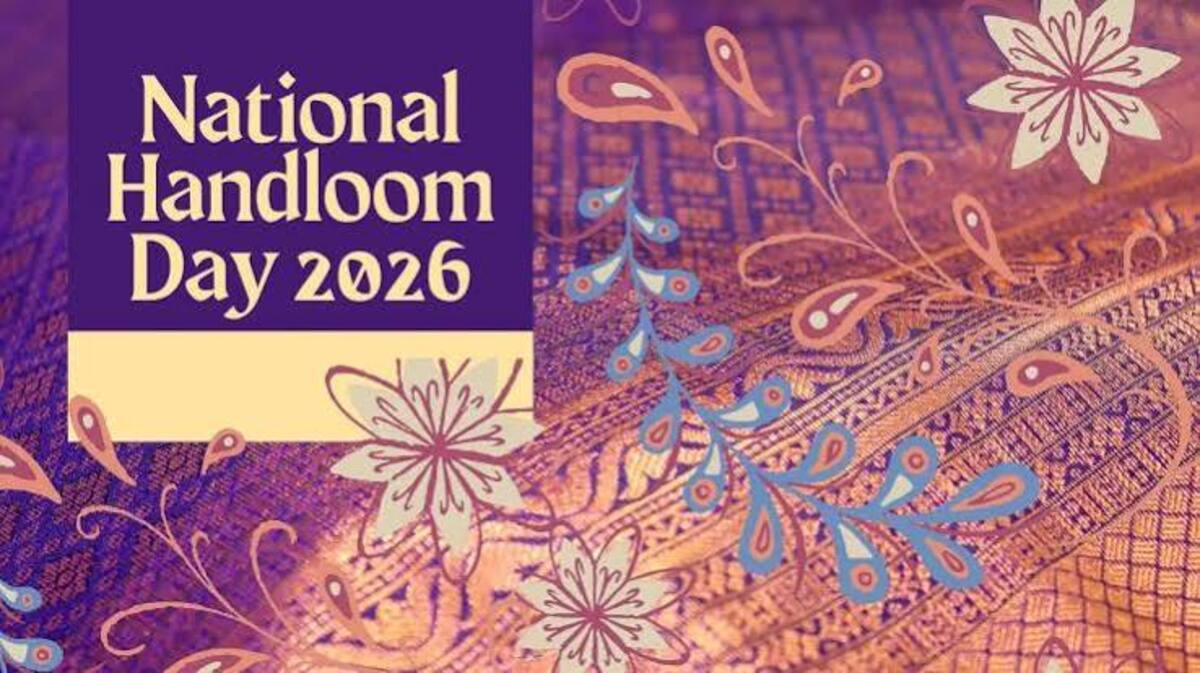
Every year on 7 August, India celebrates National Handloom Day to honour the country’s rich handloom heritage and recognize the invaluable contribution of handloom weavers. The day highlights the importance of preserving traditional weaving techniques while encouraging people to support locally made handloom products.
National Handloom Day also reminds citizens that every handwoven fabric represents centuries of craftsmanship, culture, and sustainable living.
📜 History of National Handloom Day
The Government of India launched National Handloom Day in 2015 to commemorate the Swadeshi Movement, which began on 7 August 1905. The movement encouraged Indians to boycott foreign goods and promote indigenous products, with handloom textiles becoming a powerful symbol of self-reliance and national pride.
Since then, the day has been observed annually to celebrate India’s weaving traditions and honour millions of artisans who keep these age-old crafts alive.
Also Read: Brazilian Model Larissa Responds to Allegations of Rahul Gandhi’s Vote Chori Connection
🎯 National Handloom Day 2026 Theme
At the time of writing, the official theme for National Handloom Day 2026 has not been announced. However, the celebrations continue to focus on:
- Promoting Indian handloom products.
- Supporting local artisans and weavers.
- Encouraging sustainable and eco-friendly fashion.
- Preserving India’s traditional textile heritage.
🌟 Significance of National Handloom Day
National Handloom Day plays an important role in promoting India’s cultural and economic heritage.
✔ Preserves Traditional Crafts
India is home to hundreds of unique weaving traditions that have been passed down through generations. The day helps preserve these valuable art forms.
✔ Supports Millions of Weavers
The handloom sector provides employment to millions of families across rural India, making it one of the country’s largest sources of livelihood after agriculture.
✔ Promotes Sustainable Fashion
Handloom fabrics use less energy and produce a smaller environmental footprint than many machine-made textiles, making them an eco-friendly choice.
✔ Encourages ‘Vocal for Local’
Buying handloom products directly supports local artisans, strengthens rural economies, and promotes the vision of an Atmanirbhar Bharat.
🧶 Famous Handloom Traditions of India
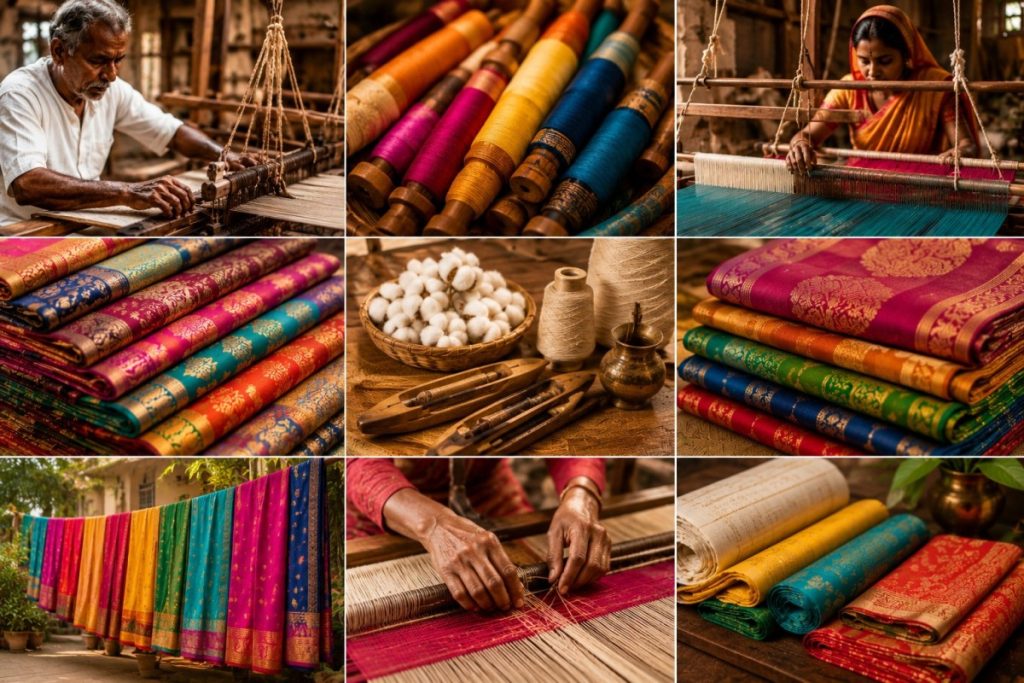
India boasts an incredible variety of handloom textiles, including:
- Banarasi Silk – Uttar Pradesh
- Chanderi – Madhya Pradesh
- Maheshwari – Madhya Pradesh
- Kanchipuram Silk – Tamil Nadu
- Pochampally Ikat – Telangana
- Paithani – Maharashtra
- Sambalpuri – Odisha
- Muga Silk – Assam
- Kota Doria – Rajasthan
- Jamdani – West Bengal
Each weaving style reflects the history, culture, and artistry of its region.
🎉 How National Handloom Day Is Celebrated
People across the country celebrate the day through various activities.
🛍 Handloom Exhibitions
Government bodies, NGOs, and cooperatives organize exhibitions showcasing handmade textiles.
👗 Wear Handloom Campaigns
Schools, offices, and institutions encourage people to wear handloom clothing to show their support for Indian weavers.
🎨 Cultural Programmes
Many states organize fashion shows, craft fairs, workshops, and cultural performances highlighting India’s textile heritage.
🧑🏫 Awareness Drives
Educational institutions conduct seminars and awareness campaigns about the importance of preserving traditional weaving.
🛒 Support Local Weavers
Consumers purchase authentic handloom products directly from artisans, helping improve their livelihoods.
🌿 Why Handloom Matters Today
As fast fashion continues to grow, handloom products offer a sustainable alternative. Every handmade fabric tells a story of patience, creativity, and skilled craftsmanship.
Choosing handloom means supporting artisans, protecting the environment, and preserving India’s cultural identity for future generations.
💡 Interesting Facts About Indian Handlooms
- India has one of the world’s largest handloom industries.
- Every handloom fabric is unique because it is woven by hand.
- Many weaving traditions are more than 500 years old.
- Handloom production consumes significantly less electricity than power looms.
- Indian handloom products are exported to countries around the world.
🏛 Government Initiatives
The Government of India promotes the handloom sector through:
- National Handloom Day celebrations.
- Marketing assistance for weavers.
- Financial support schemes.
- Skill development programmes.
- Online marketplaces for handloom products.
- Awareness campaigns encouraging people to buy genuine handloom items.
✅ Conclusion
National Handloom Day 2026 celebrates India’s extraordinary weaving traditions and honours the dedication of millions of artisans who preserve this priceless heritage. By choosing handloom products, every citizen can contribute to the growth of local artisans, protect traditional craftsmanship, and promote sustainable fashion. Supporting handloom is more than buying fabric—it is preserving India’s cultural legacy for generations to come.
Also Read: Hiroshima Day: Why the World Observes 6 August Every Year