




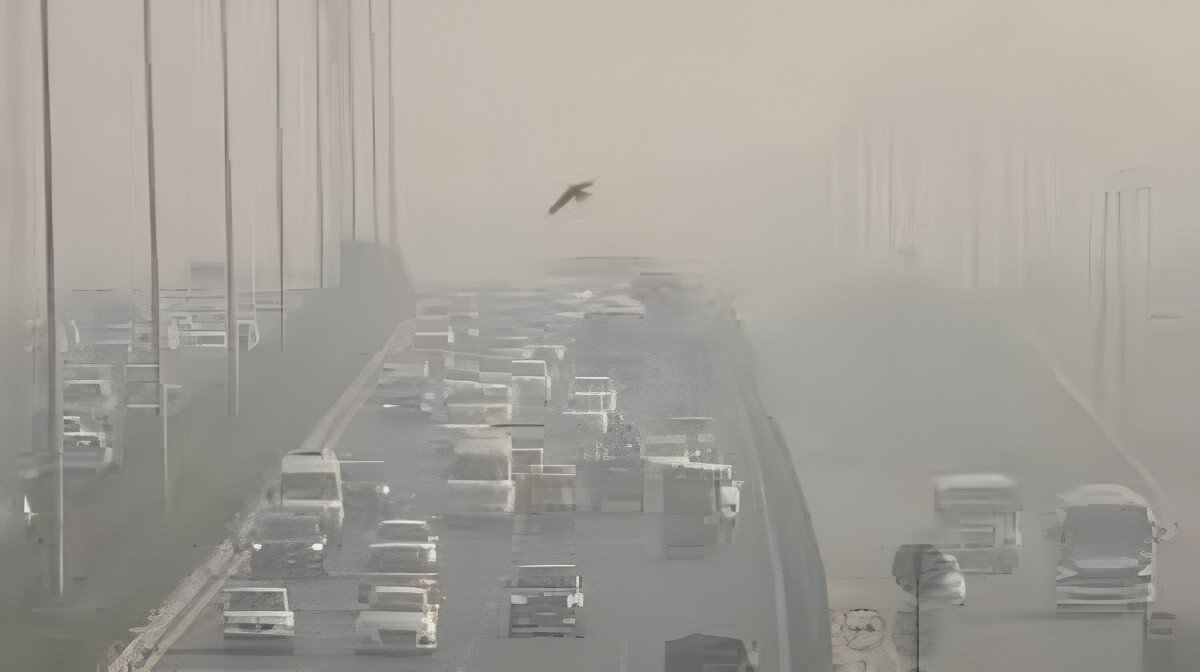
New Delhi, 19 January 2026 — Delhi once again plunged into a severe air pollution crisis as the Air Quality Index (AQI) crossed the 440 mark, placing the national capital firmly in the “severe” category. Thick layers of toxic smog enveloped the city, reducing visibility, affecting daily life, and raising serious public health concerns. In response, authorities imposed Stage-IV restrictions under the Graded Response Action Plan (GRAP-IV) across Delhi and the National Capital Region (NCR).
Air Quality Worsens Across the Capital
Data from air quality monitoring stations showed dangerously high levels of PM2.5 and PM10 particles, the most harmful pollutants that penetrate deep into the lungs. Several areas recorded AQI readings nearing “severe-plus” levels, making the air unsafe to breathe for extended periods.
Unfavourable weather conditions, including low wind speed, cold temperatures, and dense fog, trapped pollutants close to the ground. These factors prevented dispersion and caused pollution levels to rise sharply, continuing a trend seen over the past several days.
Also Read: Brazilian Model Larissa Responds to Allegations of Rahul Gandhi’s Vote Chori Connection
GRAP-IV Measures Come into Force
The Commission for Air Quality Management (CAQM) activated GRAP-IV, the strictest pollution control stage, to curb further deterioration. Authorities enforced the following measures:
- Banned all non-essential construction and demolition activities
- Restricted entry of highly polluting vehicles into the city
- Limited operations of industrial units contributing to emissions
- Advised government and private offices to adopt work-from-home options
- Increased monitoring and enforcement to prevent violations
Officials stated that these emergency measures aim to reduce pollution sources and protect public health during the critical phase.
Impact on Daily Life and Transport
The dense smog disrupted normal life across Delhi. Poor visibility caused flight delays at Indira Gandhi International Airport, while road traffic slowed significantly during morning and evening hours. Residents reported eye irritation, breathing difficulty, headaches, and persistent coughing.
Schools, especially those catering to younger children, reviewed safety guidelines, while outdoor activities remained limited. Many residents avoided morning walks and exercise due to hazardous air conditions.
Health Advisory Issued
Health authorities urged people to stay indoors as much as possible, keep windows closed, and use air purifiers where available. Doctors warned that prolonged exposure to such pollution could worsen asthma, bronchitis, heart disease, and other respiratory conditions, particularly among children, elderly individuals, and those with existing health problems.
Citizens were advised to wear protective masks when stepping outside and seek medical attention if symptoms worsened.
Conclusion
Delhi’s recurring air pollution crisis highlights the urgent need for long-term, sustainable solutions rather than temporary emergency measures. While GRAP-IV curbs may offer short-term relief, experts stress that lasting improvement requires strict enforcement of emission norms, cleaner transport systems, reduced dependence on fossil fuels, and coordinated regional action.
As the capital continues to struggle with hazardous air, the crisis serves as a reminder that clean air is not a seasonal concern but a public health priority demanding immediate and sustained action.
Also Read: Climate Change in 2025: Are We Too Late to Reverse It?