




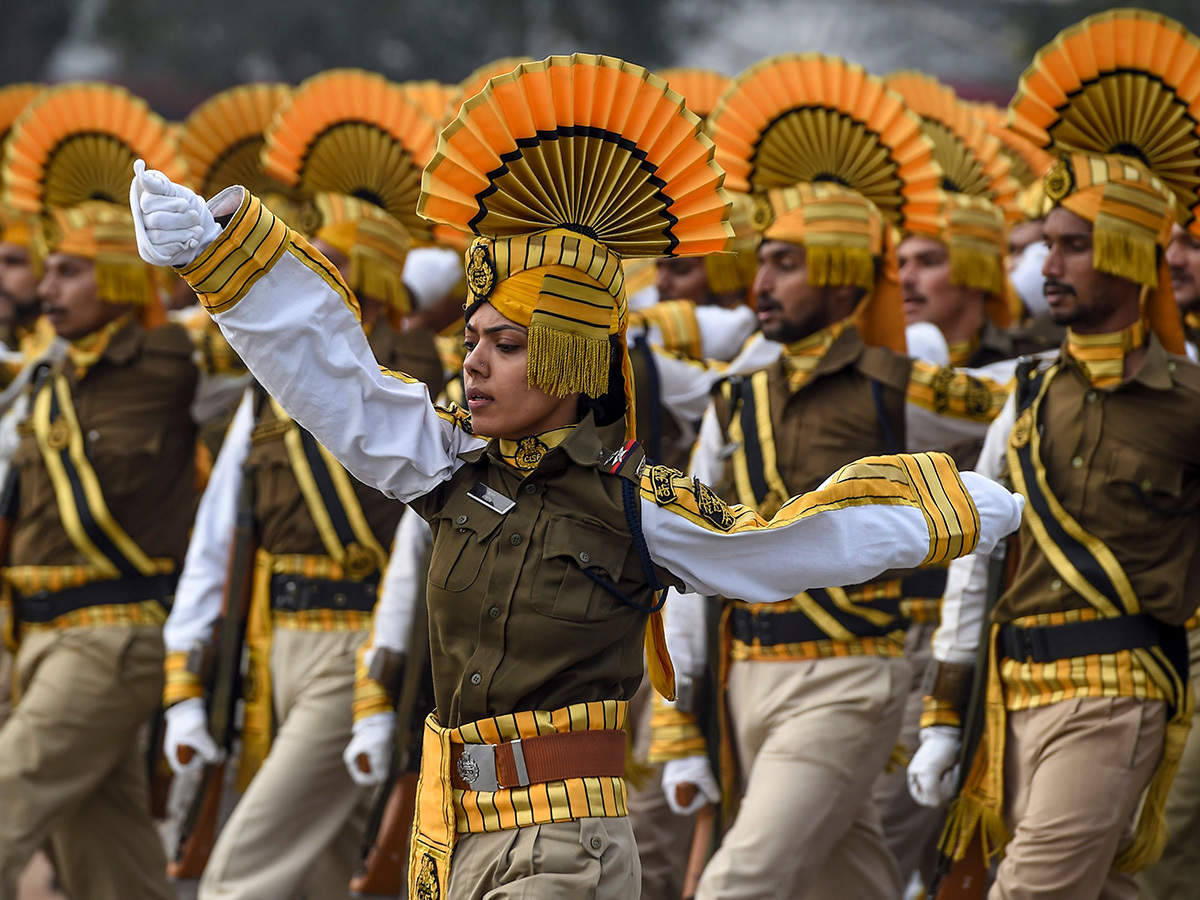
New Delhi, 22 January 2026 — Indian security agencies have issued a nationwide high alert ahead of the 77th Republic Day on 26 January, after they received actionable intelligence indicating a possible coordinated terrorist attack targeting multiple locations, including major cities and religious sites.
Intelligence Input Triggers Alert
Intelligence agencies warned that terrorist groups, including foreign-linked networks, are planning attacks timed around Republic Day, code-named “26-26” in intercepted communications. Authorities believe that this plan is designed to cause maximum disruption and fear during national celebrations.
The intelligence specifically cited involvement by:
- Pakistan’s Inter-Services Intelligence (ISI) working with Jaish-e-Mohammed (JeM)
- Lashkar-e-Taiba and offshoot factions
- Taliban-linked and other extremist elements in coordination with criminal networks in Punjab and Jammu & Kashmir
They may carry out co-ordinated strikes on public targets, religious sites, and symbolic venues during the national holiday period.
Also Read: Brazilian Model Larissa Responds to Allegations of Rahul Gandhi’s Vote Chori Connection
Key Targets Identified
Sources indicate that religious sites such as the Ram Temple in Ayodhya and the Raghunath Temple in Jammu could be high-value targets in the plot.
Security Forces Respond
In response, central and state security forces have taken several proactive steps:
- They raised general threat levels across the country, especially in the National Capital Region (NCR), Jammu & Kashmir, and other sensitive zones.
- Police and intelligence units deployed multi-layered security arrangements with extra personnel, surveillance systems, and rapid reaction teams.
- Security agencies put up alert posters featuring wanted terrorists, including an Al-Qaeda operative named Mohammed Rehan, across public areas such as metro stations and busy markets in Delhi.
- Authorities also listed suspected Khalistani and extremist figures linked to cross-border terror support.
Enhanced Surveillance and Technology Deployment
Law enforcement has deployed advanced surveillance technologies, including:
- CCTV networks
- Facial recognition systems
- Anti-drone units
- Rapid Response Teams
These systems are operational in major public spaces, transit hubs, and key infrastructure in Delhi.
City-Level Preparations
Across the country:
- Delhi Police conducted multiple anti-terror mock drills at crowded and sensitive locations to test preparedness and rapid response capability.
- Srinagar Police intensified patrols and inspections with checkpoints, mobile units, and night surveillance to prevent attempts to disrupt public order ahead of Republic Day.
Public Safety Measures
Officials have asked the public to remain vigilant and report any suspicious activity immediately. They are urging people to cooperate with security checks at public venues and transportation nodes as part of the broader safety plan.
Official Goal
Despite the heightened alert, authorities have emphasised that all necessary measures are in place to ensure safe and secure Republic Day celebrations, continuing the tradition of strong security preparedness during major national events.
Conclusion
As India moves closer to Republic Day, security agencies remain fully mobilised to neutralise any threat to national safety. The government has activated a multi-layered security grid, combining intelligence coordination, technological surveillance, and ground-level policing to deter terror activities. Authorities have assured citizens that they will leave no room for complacency and will respond swiftly to any attempt to disrupt peace. While the heightened alert reflects the seriousness of the threat, officials have reaffirmed their commitment to ensuring that Republic Day celebrations proceed safely, peacefully, and with national pride across the country.
Also Read: Climate Change in 2025: Are We Too Late to Reverse It?