



Understanding Mahashivratri
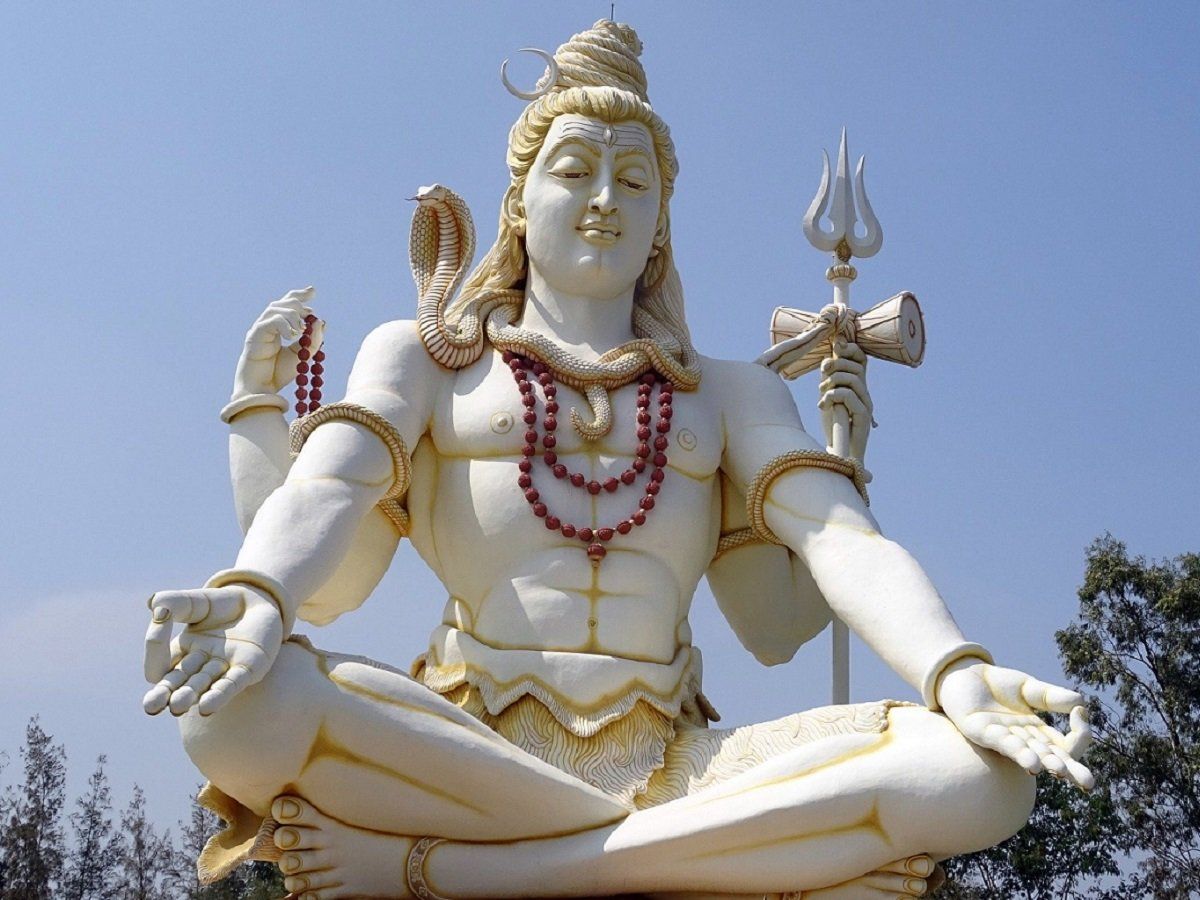
Mahashivratri, which literally means “the Great Night of Shiva,” stands as one of the most significant festivals in Hinduism. Devotees across India and around the world celebrate this day to honor Lord Shiva, the deity of destruction, transformation, and spiritual awakening. Mahashivratri falls on the 14th night of the dark fortnight in the month of Phalguna or Magha, usually between February and March.
The festival symbolizes the union of divine energies and the triumph of good over evil. Devotees pray, fast, meditate, and keep vigil through the night, seeking Lord Shiva’s blessings for wisdom, prosperity, and spiritual growth.
Also Read: UGC Equity Rules Explained: What Students, Parents & Colleges Need to Know
Historical and Mythological Significance
Mahashivratri carries profound mythological meaning. Legends associated with this day include:
- Marriage of Shiva and Parvati: Hindu mythology tells that Mahashivratri marks the divine wedding of Lord Shiva and Goddess Parvati. Devotees celebrate it as a symbol of love, devotion, and cosmic harmony.
- Neelkanth Legend: During the churning of the ocean (Samudra Manthan), Shiva consumed the poison (Halahala) to save the universe, turning his throat blue. Devotees observe Mahashivratri to honor this selfless act of protection and sacrifice.
- Spiritual Awakening: Devotees believe the night offers high auspiciousness for meditation, self-reflection, and awakening inner consciousness. Staying awake during Mahashivratri demonstrates vigilance and devotion.
Rituals and Observances
Devotees observe Mahashivratri through rituals that express their faith and devotion:
- Fasting: Many devotees fast strictly, consuming only fruits, milk, or selected foods to purify body and mind.
- Night Vigil (Jagaran): Devotees chant Shiva mantras and sing devotional songs throughout the night to honor Lord Shiva.
- Shiva Lingam Worship: Devotees perform Abhishekam (ritual bathing) of the Shiva Lingam with milk, honey, water, and bel leaves, offering fruits and flowers as devotion.
- Temple Visits: Shiva temples draw large crowds. Devotees participate in prayers, aartis, and processions, creating an atmosphere filled with devotion and spiritual energy.
- Meditation and Reflection: Devotees meditate and chant mantras like “Om Namah Shivaya” to achieve inner peace, wisdom, and spiritual growth.
Cultural Significance
Mahashivratri extends beyond religion to strengthen cultural bonds and community spirit:
- Families and communities come together for collective prayers and celebrations.
- Regions celebrate with folk dances, devotional music, and cultural programs, reflecting the richness of Indian traditions.
- The festival highlights self-discipline, sacrifice, and spiritual awakening, values that remain relevant in modern life.
Global Celebrations
Devotees celebrate Mahashivratri worldwide:
- India: Major Shiva temples in Varanasi, Kedarnath, and Rameshwaram attract thousands of devotees who perform rituals and prayers.
- Nepal: Devotees fast and visit Pashupatinath Temple, one of the most sacred Shiva shrines globally.
- Other Countries: Indian communities in the USA, UK, Mauritius, and Malaysia observe fasting, prayers, and cultural programs, sharing traditions with the global community.
Conclusion
Mahashivratri celebrates devotion, reflection, and spiritual awakening. By honoring Lord Shiva, devotees strengthen their connection to the divine, cultivate discipline, and embrace wisdom, sacrifice, and righteousness. Staying awake and celebrating the night reminds humanity of the eternal power of faith and the transformative potential of devotion.
Mahashivratri inspires people to purify their minds, act with compassion, and seek inner growth, making it a festival that transcends time, culture, and borders.
Also Read: Brazilian Model Larissa Responds to Allegations of Rahul Gandhi’s Vote Chori Connection