





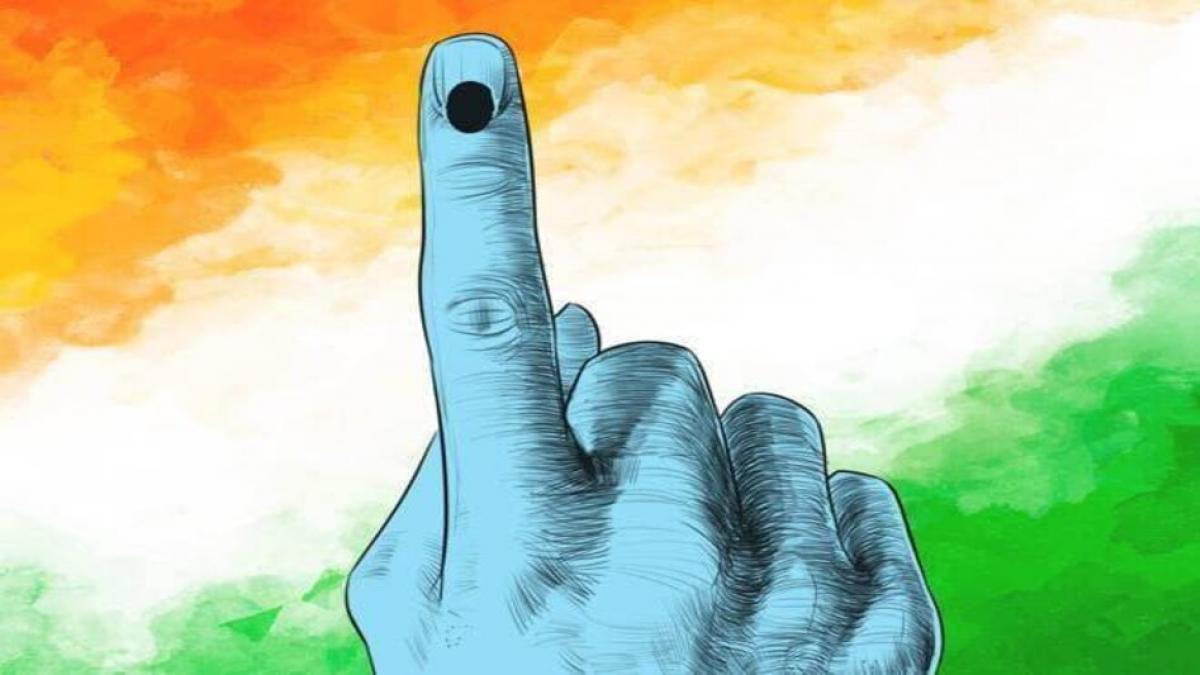
The political landscape of Maharashtra is witnessing a significant shift in 2026 as a new wave of young voters steps into the electoral process. These young voters, many of whom are casting their votes for the first time, are bringing with them a fresh perspective on local governance, political accountability, and social responsibility. As Maharashtra gears up for its civic elections, it is clear that the voices of this new generation will play a pivotal role in shaping the outcome of these crucial elections.
Also Read: Climate Change in 2025: Are We Too Late to Reverse It?
The Rise of the Millennial and Gen Z Voter
In the past, local elections were often seen as a battleground for veteran politicians, where the concerns of the youth were overshadowed by traditional issues like caste, religion, and urban development. However, with increasing access to social media, the internet, and mobile technology, Maharashtra’s younger generation is engaging with politics in a way that was previously unimaginable.
Millennials (born between 1981 and 1996) and Gen Z (born between 1997 and 2012) are not just passive observers of political events. Instead, they are active participants in shaping the discourse. From using digital platforms to organize awareness campaigns to creating viral content around political leaders and their promises, the younger population is making its presence felt.
Key Issues for Young Voters in Maharashtra
As Maharashtra heads into its 2026 civic elections, the youth is prioritizing a diverse set of issues that align with their values and concerns. These issues often differ significantly from the traditional political narratives. Here are some key areas that are resonating with young voters in Maharashtra:Here is your content rewritten into clear paragraphs with proper subheadings, suitable for an article:
Employment and Economic Opportunity
Unemployment remains one of the most pressing concerns for young voters in Maharashtra. Despite being home to major economic hubs such as Mumbai and Pune, the state continues to struggle with rising youth unemployment. This situation has led many young citizens to question the effectiveness of existing government policies. Today’s youth are not merely seeking traditional jobs; they want opportunities that match their skills and ambitions in a rapidly changing job market. Careers in technology, entrepreneurship, start-ups, and the gig economy are particularly appealing, and young voters are looking for leaders who can create an ecosystem that supports innovation, skill-based employment, and sustainable economic growth.
Climate Action and Sustainability
Climate change and environmental degradation are increasingly influencing the political choices of Maharashtra’s youth. Frequent flooding in Mumbai, rising air pollution levels, and ongoing waste management challenges have made environmental issues impossible to ignore. Young voters are demanding immediate and long-term policy interventions that focus on sustainability. Their priorities include expanding green spaces, improving waste segregation and recycling systems, promoting renewable energy, and ensuring environmentally responsible urban development. For many young voters, the upcoming elections represent a crucial opportunity to bring climate action to the center of political decision-making.
Education and Skill Development
Education reform is another major concern for young voters in Maharashtra. The youth is calling for improved access to quality education and practical skill development programs that prepare them for future careers. There is growing debate over the relevance of traditional degree-based education compared to hands-on, skill-oriented learning. As digital platforms and online learning tools become more prevalent, young voters want an education system that evolves with technological advancements and industry demands. They expect policymakers to invest in modern curricula, vocational training, and digital education infrastructure that aligns with the future workforce.
Accountability and Governance
Young voters are increasingly vocal about their demand for transparency and accountability in local governance. Many feel disillusioned by corruption, bureaucratic delays, and unfulfilled promises made by elected representatives. This generation prefers leaders who demonstrate integrity, openness, and a commitment to measurable results. Political parties that present clear action plans, timelines, and accountability mechanisms are gaining more trust among young voters, while vague promises and rhetoric are losing their appeal.
Digital Connectivity and Infrastructure
Digital connectivity has emerged as a critical issue for Maharashtra’s youth, particularly in urban areas. The COVID-19 pandemic highlighted the essential role of reliable internet access in education, remote work, and daily communication. Young people are now demanding faster internet speeds, wider digital access, and improved online public services. They also support the use of technology-driven solutions to address urban challenges such as traffic congestion, public transportation efficiency, and civic service delivery. For this generation, strong digital infrastructure is not a luxury but a necessity for progress and inclusive growth.
The Role of Social Media and Digital Campaigns
One of the most prominent features of this election cycle is the role of social media in influencing voter behavior, particularly among the youth. Platforms like Instagram, Twitter, and YouTube have become powerful tools for political engagement. Candidates and parties are increasingly focusing on digital campaigns to connect with younger voters.
Political figures who once relied on traditional media outlets are now building a presence online, often using memes, video content, and influencer collaborations to communicate directly with voters. Social media also allows young voters to directly engage with candidates, ask questions, and voice their concerns. This level of interaction is transforming the traditional top-down communication structure of politics into a more inclusive, dialogue-based process.
What Do Young Voters Want from Candidates?
Young voters are looking for candidates who are authentic and responsive. They want leaders who understand the pressing issues facing their generation, and more importantly, leaders who take concrete actions to address these issues.
- Inclusivity and Diversity: Young voters are pushing for a politics that is inclusive, representing the diverse cultures, languages, and identities that make up Maharashtra. Issues like gender equality, LGBTQ+ rights, and caste-based discrimination are areas where young voters expect progressive stances.
- Technology-Driven Governance: Young voters expect smart cities, better digital services, and tech-integrated solutions for urban challenges. They want their cities to be more connected, efficient, and sustainable, leveraging technology for effective governance.
- Youth-Centric Policies: Political candidates who champion policies for youth empowerment—such as greater funding for start-ups, affordable housing for young professionals, and support for youth entrepreneurship—are seeing increased traction.
The Power of the Youth Vote
The youth vote in Maharashtra is not just a voting bloc; it’s a powerful force capable of transforming the future of the state. Young people are increasingly taking matters into their own hands, refusing to be passive in the face of political challenges. With the power of the vote comes the responsibility of shaping the Maharashtra they want to live in—one where innovation, sustainability, and accountability are at the forefront of governance.
Conclusion: Youth as the Future of Maharashtra’s Politics
The Maharashtra elections of 2026 will undoubtedly be shaped by the voices of its young voters. This generation is not waiting for change; they are demanding it. Through their votes, activism, and digital engagement, they are asserting that the future of the state is in their hands. As they continue to push for reforms and hold politicians accountable, the youth of Maharashtra is not just participating in the democratic process—they are reshaping it.
In the years to come, Maharashtra’s political landscape will be a testament to the power of youth voices, their unwavering commitment to progress, and their determination to build a better, more equitable future for all. The message is clear: the youth vote is not to be underestimated. It is the driving force behind the Maharashtra of tomorrow.
Also Read: Brazilian Model Larissa Responds to Allegations of Rahul Gandhi’s Vote Chori Connection


