





🌟 Introduction: A Global Celebration of Knowledge
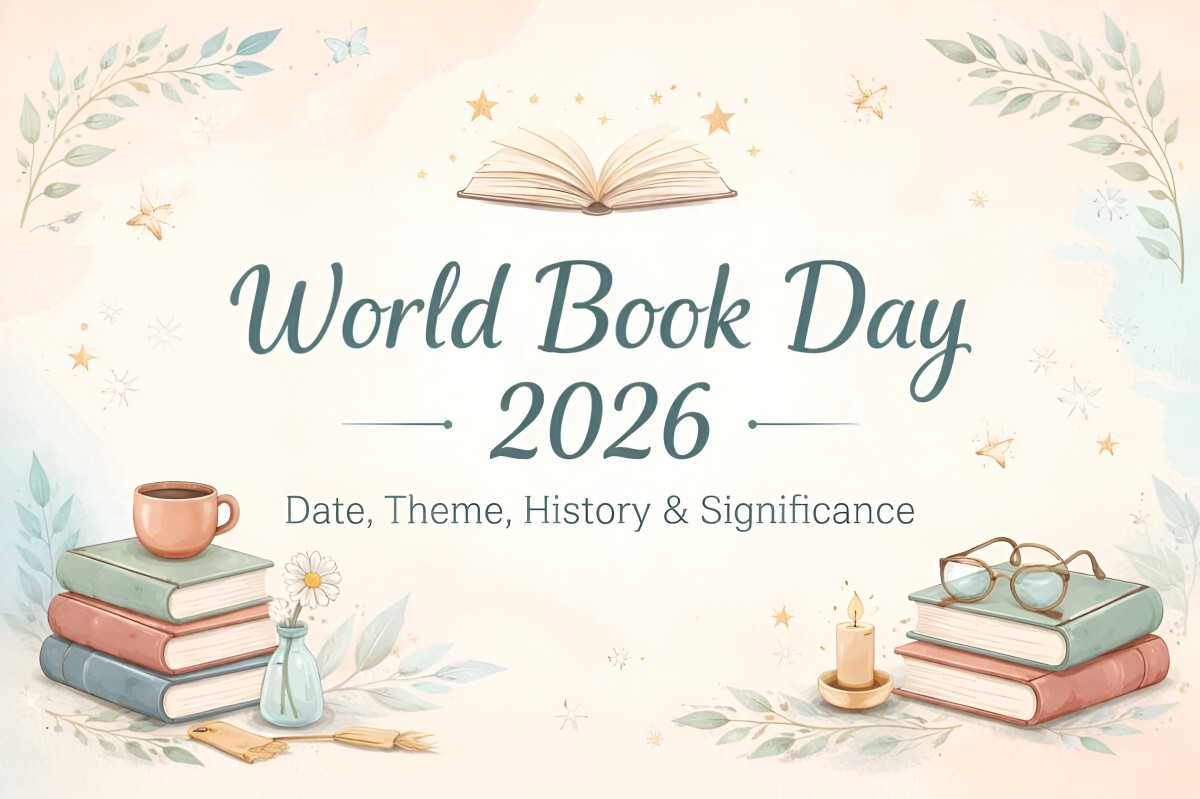
Every year on April 23, people across the world actively celebrate World Book and Copyright Day to recognize the power of books and the importance of reading. The day, established by UNESCO, honors authors, publishers, and readers while promoting access to knowledge for all. In 2026, this global observance carries deeper meaning as digital technology continues to reshape how people consume information.
Readers no longer rely solely on printed pages; they explore stories through screens, audio, and interactive platforms. Despite this transformation, books remain at the heart of learning, creativity, and cultural exchange.
Also Read: Brazilian Model Larissa Responds to Allegations of Rahul Gandhi’s Vote Chori Connection
📖 The Historical Significance of April 23
April 23 holds special importance in the literary world. It marks the death anniversary of legendary writers such as William Shakespeare and Miguel de Cervantes. Their timeless works continue to inspire generations of readers and writers.
By choosing this date, UNESCO created a symbolic link between literature’s rich history and its evolving future. The day reminds people that stories, ideas, and knowledge have always shaped civilizations and will continue to do so.
📚 Why Reading Still Matters in 2026
Reading remains one of the most powerful tools for personal growth. It strengthens language skills, improves concentration, and enhances critical thinking. In an age dominated by quick scrolling and short-form content, books encourage deeper engagement and thoughtful reflection.
Individuals who read regularly develop stronger analytical abilities and a broader understanding of the world. Books expose readers to different cultures, perspectives, and ideas, helping them become more empathetic and informed citizens.
Moreover, reading supports mental well-being. It reduces stress, improves focus, and offers an escape from daily pressures. Whether someone reads fiction, non-fiction, or educational material, the habit contributes significantly to intellectual and emotional development.
💻 The Digital Revolution in Reading
Technology has transformed the reading experience in remarkable ways. E-books, audiobooks, and online libraries have made literature more accessible than ever before. Readers can now carry thousands of books on a single device and access content instantly.
Digital platforms allow authors to reach global audiences without traditional publishing barriers. Self-publishing, blogs, and online storytelling communities have expanded opportunities for writers to share their work.
However, this digital shift also presents challenges. Constant notifications, social media distractions, and information overload often reduce attention spans. Many readers struggle to engage in deep reading for extended periods. Despite these issues, individuals and educators continue to find ways to balance digital convenience with meaningful reading habits.
✍️ Copyright in the Digital Era: Protecting Creativity
World Book and Copyright Day also emphasizes the importance of protecting intellectual property. Copyright laws ensure that creators receive recognition and fair compensation for their work.
In the digital age, where content spreads rapidly across platforms, protecting original work becomes more critical than ever. Unauthorized copying and distribution can harm authors and discourage creativity. By respecting copyright laws, readers and organizations support a healthy creative ecosystem.
Governments, publishers, and digital platforms actively work to strengthen copyright protection and promote ethical content sharing. This effort ensures that innovation and creativity continue to thrive.
Promoting Global Literacy and Equal Access
One of the primary goals of this day is to promote literacy worldwide. Millions of people still lack access to books and educational resources. Organizations, governments, and communities actively work to bridge this gap through initiatives such as book donation drives, public libraries, and literacy campaigns.
Digital technology also plays a key role in expanding access. Free e-books, online courses, and mobile learning platforms help reach remote and underserved populations. By combining traditional methods with modern solutions, societies can move closer to achieving universal literacy.
Efforts to promote reading also focus on inclusivity. Accessible formats like audiobooks and braille editions ensure that people with disabilities can enjoy literature and learning opportunities.
👩🏫 Encouraging Reading Among the Youth
Young readers represent the future of knowledge and innovation. Schools, parents, and educators actively encourage children to develop reading habits from an early age. Storytelling sessions, library visits, and reading challenges help create interest in books.
In 2026, educators integrate technology into reading practices to engage the digital generation. Interactive e-books, educational apps, and audiobooks make reading more dynamic and enjoyable. When children connect reading with creativity and fun, they are more likely to maintain the habit throughout their lives.
Promoting reading among youth not only improves academic performance but also builds confidence, imagination, and communication skills.
📢 The Role of Communities and Institutions
Communities and institutions play a vital role in promoting reading culture. Libraries, schools, and cultural organizations organize events such as book fairs, author interactions, and reading campaigns on this day. These activities bring people together and create awareness about the importance of books.
Publishers and authors also participate actively by launching new books, offering discounts, and engaging with readers through online and offline platforms. Social media campaigns further amplify the message, encouraging people to share their favorite books and reading experiences.
🔮 The Future of Reading in a Digital World
The future of reading lies in the balance between tradition and innovation. While printed books continue to hold emotional and cultural value, digital formats provide convenience and accessibility. Both forms will coexist and complement each other in the years to come.
Advancements in technology, such as artificial intelligence and immersive storytelling, may further transform the reading experience. However, the core purpose of reading—to inform, inspire, and connect—will remain unchanged.
🎯 Conclusion: Preserving the Power of Books
World Book and Copyright Day 2026 highlights the enduring importance of reading in an ever-changing digital landscape. Books continue to serve as powerful tools for education, creativity, and cultural exchange.
By encouraging reading habits, protecting authors’ rights, and ensuring equal access to knowledge, society can build a more informed and innovative future. This day inspires individuals to reconnect with books, explore new ideas, and celebrate the timeless value of literature.
In a world driven by technology, the simple act of reading a book remains one of the most meaningful ways to grow, learn, and understand the world.
Also Read: NCERT apologises to Supreme Court withdraws Class 8 textbook after controversy