










Introduction
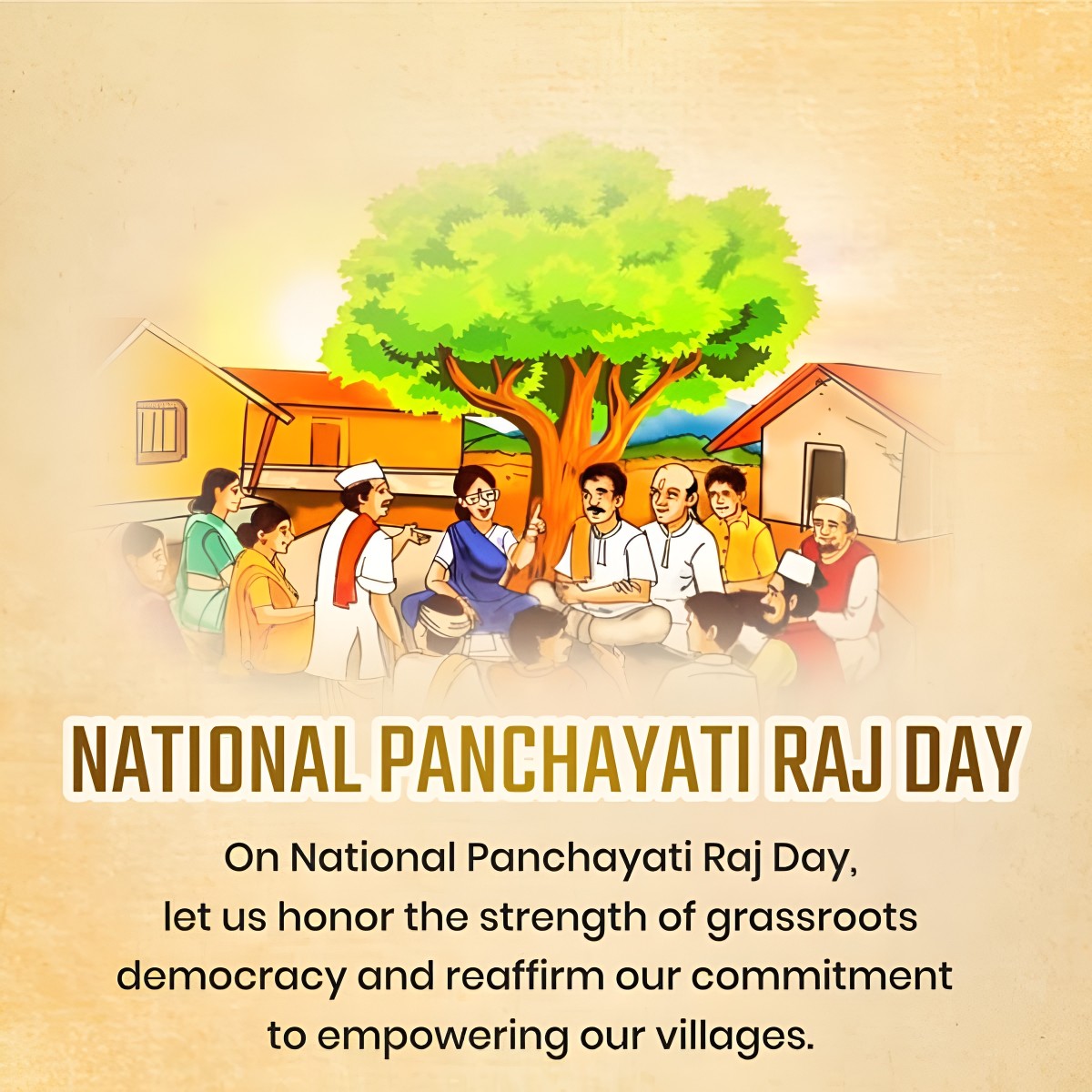
India celebrates National Panchayati Raj Day every year on April 24 to recognize the power of grassroots democracy. On this day in 1993, the government implemented the historic 73rd Constitutional Amendment Act, which gave constitutional status to Panchayati Raj Institutions (PRIs). In 2026, the occasion continues to highlight how local governance strengthens rural communities and promotes inclusive development across the nation.
Also Read: Brazilian Model Larissa Responds to Allegations of Rahul Gandhi’s Vote Chori Connection
The Significance of Panchayati Raj Day
National Panchayati Raj Day reminds citizens that democracy thrives when people participate directly in decision-making. The Panchayati Raj system enables villagers to voice their concerns, plan development projects, and manage local resources effectively.
By empowering elected representatives at the village, block, and district levels, the system ensures that governance reaches the last mile. It reduces dependency on centralized authorities and encourages accountability, transparency, and community participation.
Understanding the Panchayati Raj System
The Panchayati Raj system operates through a three-tier structure:
- Gram Panchayat at the village level
- Panchayat Samiti at the block level
- Zila Parishad at the district level
These institutions work together to address local needs such as sanitation, education, healthcare, infrastructure, and welfare schemes. The Gram Sabha, which includes all adult members of the village, plays a crucial role in decision-making and monitoring development activities.
Role in Rural Development
Panchayati Raj Institutions actively drive rural development by implementing government schemes and addressing local issues. They manage projects related to:
- Clean drinking water and sanitation
- Rural roads and infrastructure
- Education and school facilities
- Healthcare services and awareness
- Employment programs like MGNREGA
Through these initiatives, PRIs improve living standards and create opportunities for sustainable growth in villages.
Women Empowerment and Social Inclusion
One of the most transformative aspects of the Panchayati Raj system is the reservation of seats for women and marginalized communities. Today, lakhs of women serve as sarpanches and panchayat members, leading change in their villages.
This representation promotes gender equality, enhances leadership opportunities, and ensures that diverse voices shape development policies. Women leaders often prioritize issues like education, health, and sanitation, bringing meaningful change to rural areas.
Challenges Faced by Panchayats
Despite its success, the Panchayati Raj system faces several challenges:
- Limited financial resources and dependency on higher authorities
- Lack of technical expertise and administrative support
- Political interference in local decision-making
- Need for better training and capacity building
Addressing these challenges is essential to strengthen grassroots governance and improve efficiency.
The Way Forward
To make Panchayati Raj more effective, the government and stakeholders must:
- Provide adequate funding and financial autonomy
- Offer training programs for elected representatives
- Promote digital governance and transparency
- Encourage active participation from citizens
Strengthening local institutions will ensure balanced and inclusive growth across rural India.
Conclusion
National Panchayati Raj Day 2026 celebrates the spirit of democracy at the grassroots level. The Panchayati Raj system continues to empower rural India by giving people the authority to shape their own future. As the nation progresses, strengthening local governance remains crucial for achieving sustainable development, social justice, and true democratic participation.
Also Read: NCERT apologises to Supreme Court withdraws Class 8 textbook after controversy