




Introduction
Speed is one of nature’s most remarkable survival tools. Across land, air, and sea, animals have evolved extraordinary abilities to chase prey, escape predators, migrate over long distances, and adapt to their environments. Some rely on explosive bursts of acceleration, while others maintain impressive speeds for extended periods.
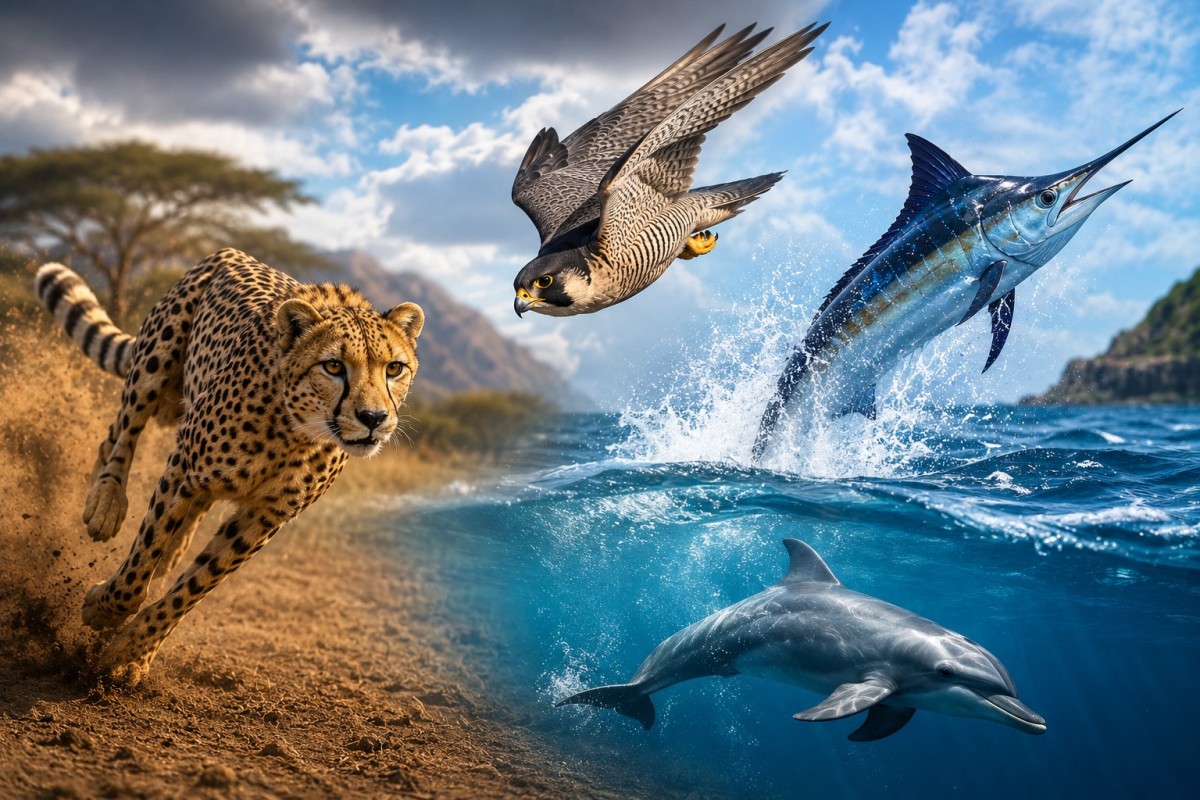
From the lightning-fast cheetah sprinting across the African savanna to the peregrine falcon diving through the sky and the powerful black marlin racing through the ocean, the animal kingdom showcases incredible examples of speed. This article explores the fastest animals on Earth, explains how they achieve their remarkable performance, and highlights the unique adaptations that make them champions in their habitats.
Also Read: Brazilian Model Larissa Responds to Allegations of Rahul Gandhi’s Vote Chori Connection
🐆 The Fastest Land Animal: Cheetah
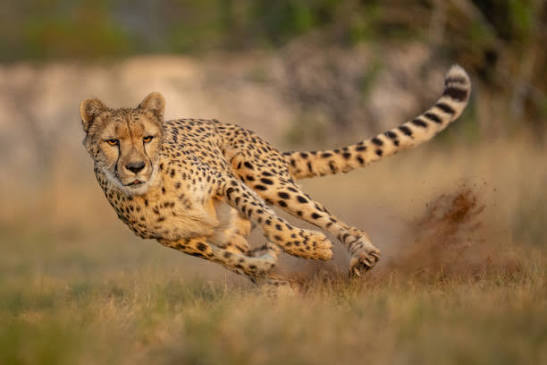
The cheetah (Acinonyx jubatus) holds the title of the world’s fastest land animal. It can reach speeds of 100–120 km/h (62–75 mph) in just a few seconds during a short chase.
Key Facts
- Top Speed: Up to 120 km/h
- Habitat: Grasslands and savannas of Africa
- Diet: Gazelles, impalas, hares, and other small mammals
- Sprint Duration: Around 20–30 seconds
Why Is the Cheetah So Fast?
Several physical adaptations make the cheetah an exceptional runner:
- Lightweight body reduces resistance.
- Flexible spine increases stride length.
- Long legs generate powerful acceleration.
- Large lungs and heart supply oxygen efficiently.
- Semi-retractable claws provide excellent traction.
- Long tail helps maintain balance during sharp turns.
Although incredibly fast, cheetahs cannot maintain their top speed for long because sprinting demands enormous amounts of energy.
🦅 The Fastest Animal in the Air: Peregrine Falcon
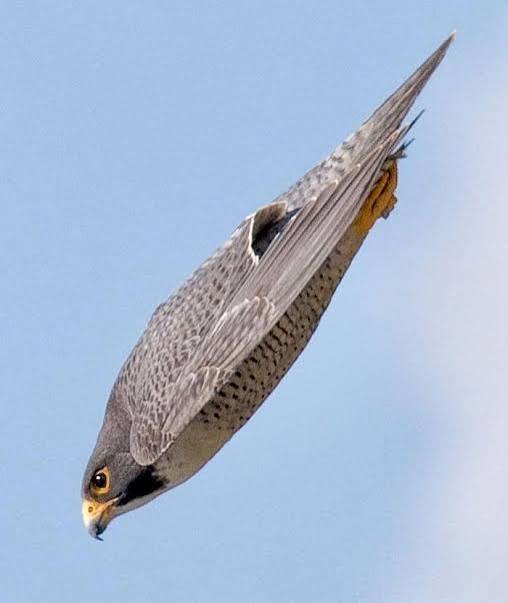
The peregrine falcon (Falco peregrinus) is the fastest animal on Earth when diving toward prey. During its hunting dive, known as a stoop, it can exceed 390 km/h (242 mph).
Key Facts
- Top Diving Speed: Over 390 km/h
- Habitat: Found on every continent except Antarctica
- Diet: Medium-sized birds
- Hunting Style: High-speed aerial dive
How Does It Dive So Fast?
The peregrine falcon possesses several aerodynamic adaptations:
- Streamlined body reduces air resistance.
- Pointed wings improve flight efficiency.
- Powerful eyesight detects prey from great distances.
- Strong chest muscles enable rapid wing movements.
- Specialized nostrils regulate airflow during high-speed dives.
The falcon usually strikes its prey in mid-air before catching it on the ground.
🐟 The Fastest Sea Animal: Black Marlin
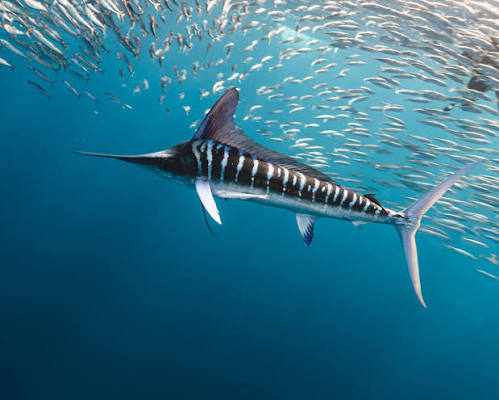
Marine biologists widely recognize the black marlin as one of the fastest fish in the ocean. It can swim at estimated speeds of around 130 km/h (80 mph).
Key Facts
- Estimated Top Speed: Around 130 km/h
- Habitat: Tropical and subtropical oceans
- Diet: Tuna, squid, mackerel, and other fish
- Length: Up to 4.5 meters
Adaptations for Speed
The black marlin achieves remarkable speed through:
- A streamlined, torpedo-shaped body.
- Powerful muscular tail.
- Rigid fins that reduce drag.
- Smooth scales that minimize water resistance.
These features allow it to pursue fast-moving prey in open waters.
🐇 Other Remarkably Fast Animals
🦌 Pronghorn Antelope
- Top Speed: About 98 km/h
- Famous for maintaining high speeds over long distances.
🦁 Lion
- Top Speed: Around 80 km/h
- Uses short bursts of speed while hunting.
🐎 Quarter Horse
- Top Speed: Approximately 88 km/h
- Known for explosive acceleration over short distances.
🦘 Kangaroo
- Top Speed: Around 70 km/h
- Covers great distances efficiently with powerful jumps.
🐬 Common Dolphin
- Top Speed: Around 60 km/h
- Uses speed to hunt fish and avoid predators.
⚡ Fastest Animals by Category
| Category | Animal | Top Speed |
|---|---|---|
| Fastest Overall | Peregrine Falcon (Dive) | 390+ km/h |
| Fastest Land Animal | Cheetah | 120 km/h |
| Fastest Sea Animal | Black Marlin | 130 km/h |
| Fastest Mammal in Water | Common Dolphin | 60 km/h |
| Fastest Long-Distance Runner | Pronghorn Antelope | 98 km/h |
🌍 Why Do Animals Need Speed?
Speed helps animals survive in many ways.
Hunting
Predators use speed to catch prey before it escapes.
Escaping Danger
Prey animals rely on quick acceleration to avoid predators.
Migration
Many birds and marine animals travel thousands of kilometers during seasonal migrations.
Finding Food
Fast movement allows animals to cover larger territories and locate food more efficiently.
Reproduction
Some species use speed and agility to compete for mates or protect their territories.
🔬 Amazing Facts About Animal Speed
- A cheetah accelerates faster than many sports cars over short distances.
- Peregrine falcons can spot prey from several kilometers away.
- Black marlins often leap dramatically out of the water while chasing fish.
- Pronghorn antelopes can maintain high speeds much longer than cheetahs.
- Dragonflies can change direction instantly while flying, making them among the most agile insects.
⚠️ Threats to Fast Animals
Many of the world’s fastest animals face growing challenges.
- Habitat destruction reduces hunting grounds.
- Climate change alters ecosystems and food availability.
- Illegal hunting threatens vulnerable species.
- Pollution affects marine animals and birds.
- Human development fragments natural habitats.
Conservation programs play a crucial role in protecting these extraordinary species for future generations.
📝 Conclusion
The fastest animals on Earth demonstrate the incredible diversity and ingenuity of evolution. Whether sprinting across open plains, diving through the sky at breathtaking speeds, or slicing through ocean waters, these animals have developed specialized adaptations that allow them to thrive in challenging environments. Their speed serves not only as a fascinating natural phenomenon but also as a powerful reminder of the importance of conserving the habitats that support these remarkable creatures. Protecting wildlife ensures that future generations can continue to marvel at nature’s greatest speed champions.