









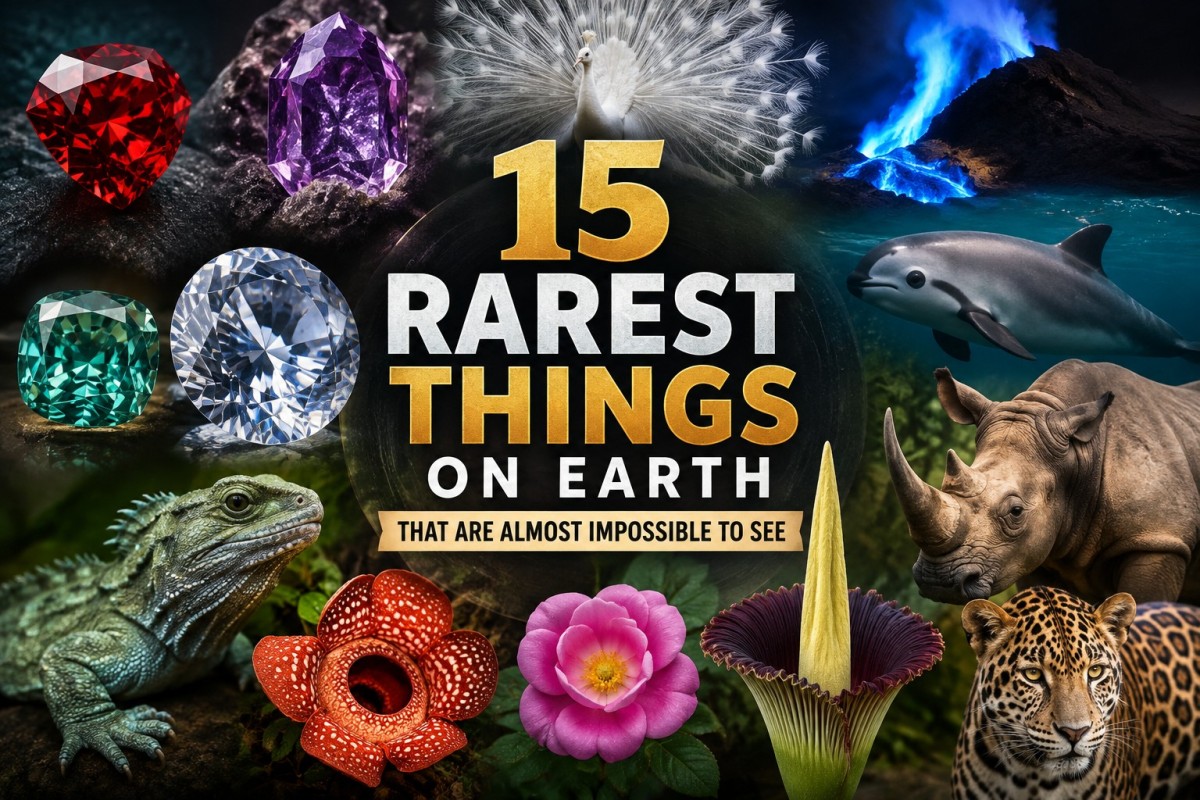
The Earth is home to millions of fascinating species, minerals, plants and natural wonders, but not everything is easy to find. Some are so rare that only a handful of people have ever seen them in person, while others exist in such limited numbers that scientists are working hard to protect them from disappearing forever.
From incredibly rare gemstones hidden deep within the Earth to endangered animals surviving in isolated habitats, these extraordinary examples remind us that nature still has plenty of secrets.
Here are 15 of the rarest things on Earth that are truly fascinating.
Also Read : ‘Women Are Not Pawns’: Chinmayi, Khushbu Criticise Udhayanidhi Stalin’s Trisha Comment
💎 1. Painite – One of the Rarest Gemstones
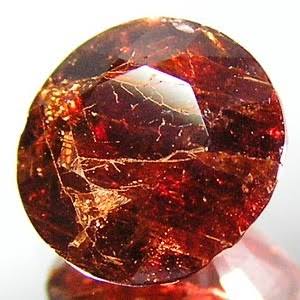
Painite is a reddish-brown gemstone that was once regarded as one of the rarest minerals ever discovered. For many years, only a very small number of specimens were known to exist, giving the gemstone almost legendary status among collectors.
Its unusual colour, crystal structure and scarcity make it especially interesting to gem enthusiasts. Although more specimens have been discovered over time, high-quality painite remains uncommon and highly sought after.
❤️ 2. Red Diamonds – Nature’s Rarest Diamonds
Diamonds are already considered precious, but naturally occurring red diamonds are in an entirely different category of rarity. Unlike many coloured diamonds, their red colour is generally associated with changes in the crystal structure of the diamond.
Only a very small number of natural red diamonds have been found in notable sizes and qualities. Their extreme scarcity means that exceptional red diamonds can command extraordinary prices when they appear on the market.
💙 3. Blue Moon Diamond – A Rare Blue Wonder
The Blue Moon Diamond is famous for its beautiful blue colour and exceptional clarity. Blue diamonds are extremely rare because their colour is typically associated with trace amounts of boron incorporated into the diamond during formation.
The Blue Moon Diamond became particularly famous after being discovered as a rough stone and later cut into a spectacular gem. Its combination of size, colour, clarity and rarity makes it one of the most remarkable diamonds known.
💜 4. Musgravite – A Gemstone Few People Encounter
Musgravite is an extremely rare gemstone belonging to the same mineral group as taaffeite. It was first identified in Australia’s Musgrave Ranges, from which it received its name.
High-quality musgravite can display attractive greyish-green, greenish-blue or violet shades. Because gem-quality material is difficult to find, it remains one of the more unusual gemstones sought by serious collectors.
🌈 5. Alexandrite – The Magical Colour-Changing Gem
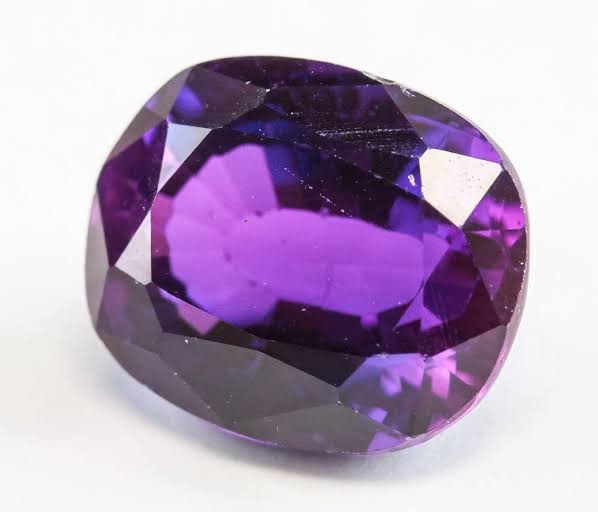
Alexandrite is one of the most fascinating gemstones because of its dramatic colour-changing effect. Under natural daylight, it can appear green or bluish-green, while under incandescent or warm artificial light it can take on reddish or purplish tones.
This optical phenomenon makes alexandrite particularly desirable. Fine natural alexandrite is rare, especially when the colour change is strong and the gemstone has good clarity.
🦚 6. White Peacock – A Spectacular Colour Variation
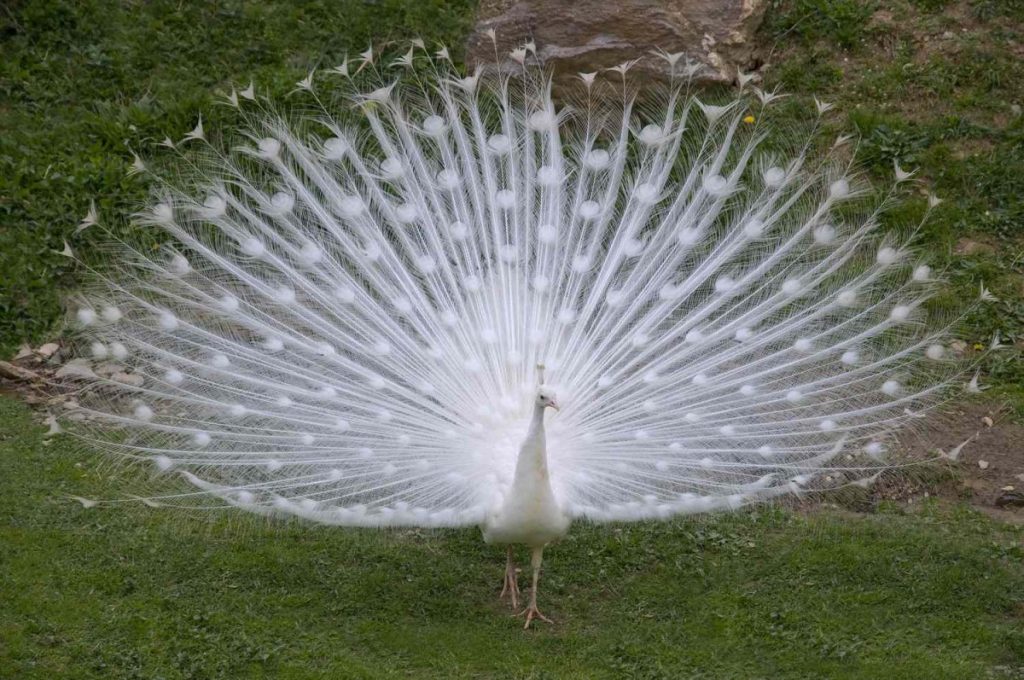
White peacocks look almost magical because their feathers are completely white. They are not a separate species, but a rare colour variation of the Indian peafowl.
Their unusual appearance is linked to leucism, a genetic condition that reduces pigmentation in feathers. When a white peacock spreads its enormous tail, the sight can be especially striking.
🌊 7. Vaquita – One of the Rarest Animals on Earth
The vaquita is a tiny marine mammal found only in the northern part of Mexico’s Gulf of California. It is considered critically endangered and has suffered a dramatic population decline.
The biggest threats to vaquitas have included accidental entanglement in fishing nets, particularly those used illegally to catch another endangered species. Conservationists consider the vaquita one of the most urgent marine conservation cases in the world.
🦏 8. Javan Rhinoceros – A Rare Giant
The Javan rhinoceros is among the rarest large mammals on the planet. Unlike some other rhinoceros species, it has survived in only a very restricted area, making its population extremely vulnerable.
These rhinos are difficult to observe because they live in dense tropical forest and avoid humans. Protecting their remaining habitat is essential for their survival.
🐆 9. Amur Leopard – One of the Rarest Big Cats
The Amur leopard is a remarkably rare big cat that lives in the forests of the Russian Far East and northeastern China. It is adapted to cold climates and has a thick coat that changes with the seasons.
Habitat loss, poaching and declining prey populations have historically placed enormous pressure on this animal. Conservation programmes have helped its population recover from extremely low levels, but it remains critically endangered.
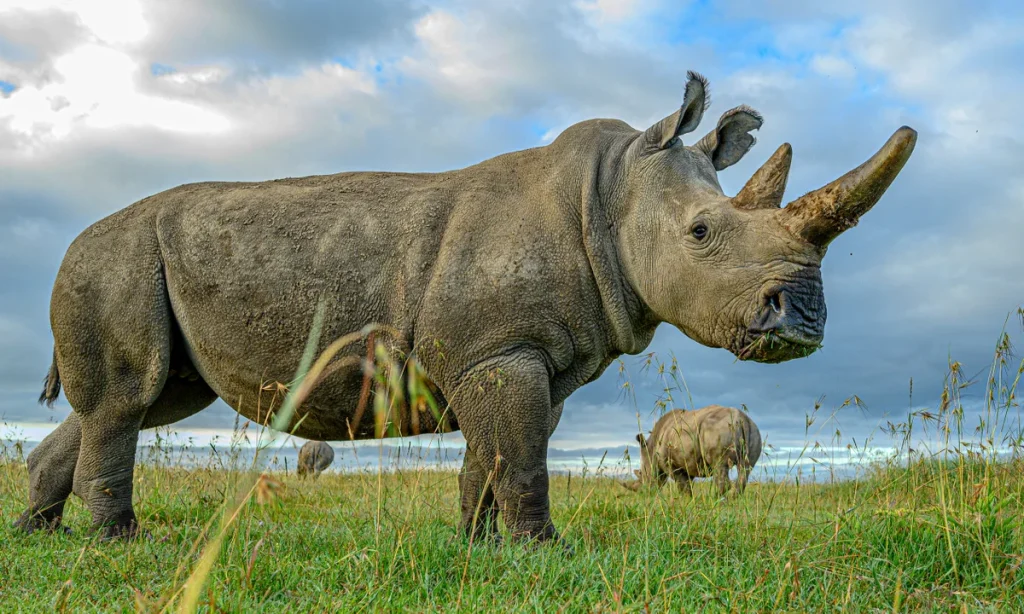
🦏 10. Northern White Rhinoceros – Almost Gone Forever
The northern white rhinoceros is one of the most heartbreaking examples of extreme rarity. The only known surviving individuals are female, meaning the subspecies can no longer reproduce naturally.
Scientists are using advanced reproductive technologies and preserved genetic material in an attempt to produce offspring. The effort represents a remarkable attempt to save a population from complete extinction.
🦎 11. Tuatara – A Reptile From an Ancient Lineage
The tuatara is a unique reptile found naturally only in New Zealand. Although it looks somewhat like a lizard, it belongs to a completely different reptilian lineage.
Its ancestors date back more than 200 million years, making the tuatara an extraordinary survivor from an ancient period in Earth’s history. This is why it is sometimes described as a “living fossil,” although the term should be understood as a reference to its ancient lineage rather than a claim that it has stopped evolving.
🌺 12. Corpse Flower – A Giant With an Unforgettable Smell
The corpse flower is one of the most unusual plants on Earth. It is famous for producing a powerful smell similar to rotting flesh when it blooms.
The unpleasant odour is actually part of the plant’s reproductive strategy, helping attract insects that normally feed on decaying material. The bloom is also relatively short-lived, so people who want to see one flowering often have to wait years and act quickly when it finally opens.
🌹 13. Middlemist’s Red – A Flower With a Remarkable History
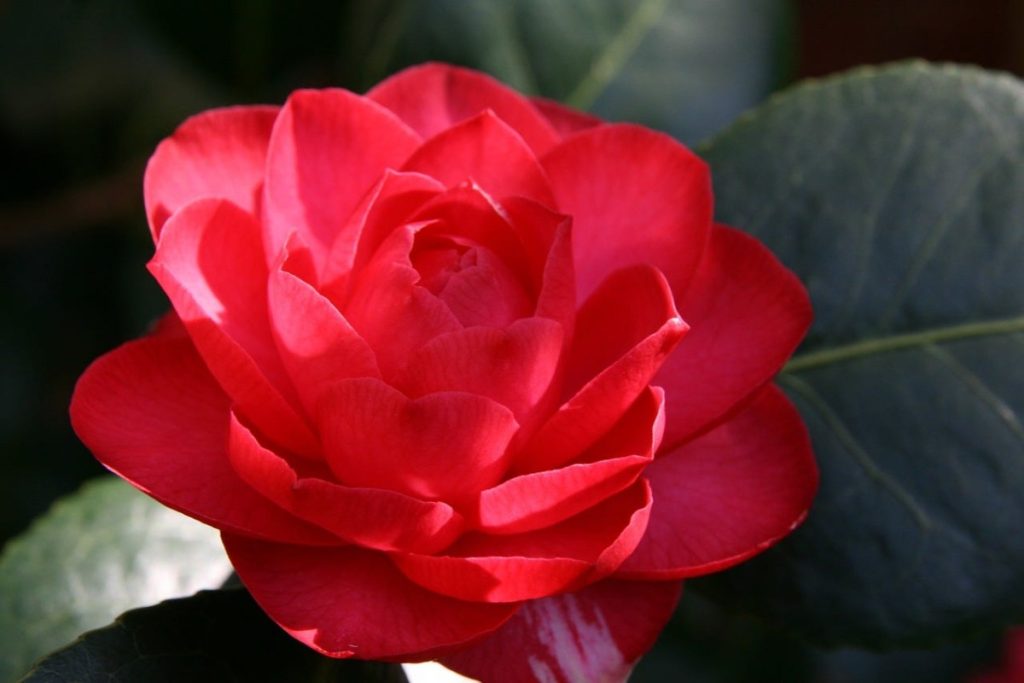
Middlemist’s Red is often described as one of the rarest flowers in the world. Despite its name, its flowers are actually a vivid pink colour rather than a true deep red.
The plant has an unusual history because only a very small number of known cultivated specimens have survived. Its rarity has made it a fascinating subject for plant lovers and botanical collections.
🌸 14. Rafflesia arnoldii – The Giant Flower That Smells Terrible
Rafflesia arnoldii is famous for producing one of the largest individual flowers in the world. The flower can grow to an enormous size, making it one of nature’s most spectacular botanical sights.
But its appearance is not the only thing that makes it unusual. The flower produces a smell similar to rotting meat, which helps attract flies and other insects that assist in pollination.
🔵 15. Blue Lava – A Strange Volcanic Phenomenon
The blue glow seen at Indonesia’s Kawah Ijen volcano looks like bright blue lava flowing down the mountainside. However, the phenomenon is not actually blue lava.
The brilliant colour is produced when sulfur gases escaping from volcanic cracks ignite and burn at high temperatures. Under the right conditions, the glowing flames can create an incredible electric-blue appearance, especially at night.
🔎 Why Are These Things So Rare?
There is no single reason why something becomes rare. Gemstones may require unusual geological conditions to form, while animals can become rare because of habitat destruction, poaching, climate change, disease or limited breeding populations.
Some plants are difficult to find because they grow only in specific habitats or flower for a very short time. Natural phenomena can also be rare because they require a very particular combination of environmental conditions.
🌱 Why Should We Care About Rare Things?
Rare species and natural wonders are more than just fascinating discoveries. They can help scientists understand evolution, geology, ecosystems and the history of our planet.
When a species becomes extremely rare, its disappearance can also affect the wider ecosystem. Protecting biodiversity therefore helps preserve not only individual species but also the natural systems that support life on Earth.
🌟 Final Thoughts
From the dazzling colours of a rare diamond to the mysterious glow of volcanic sulfur, the planet contains countless wonders that most people will never encounter. Some are rare because nature created them under extraordinary conditions, while others are rare because human activity has pushed them dangerously close to extinction.