







Introduction
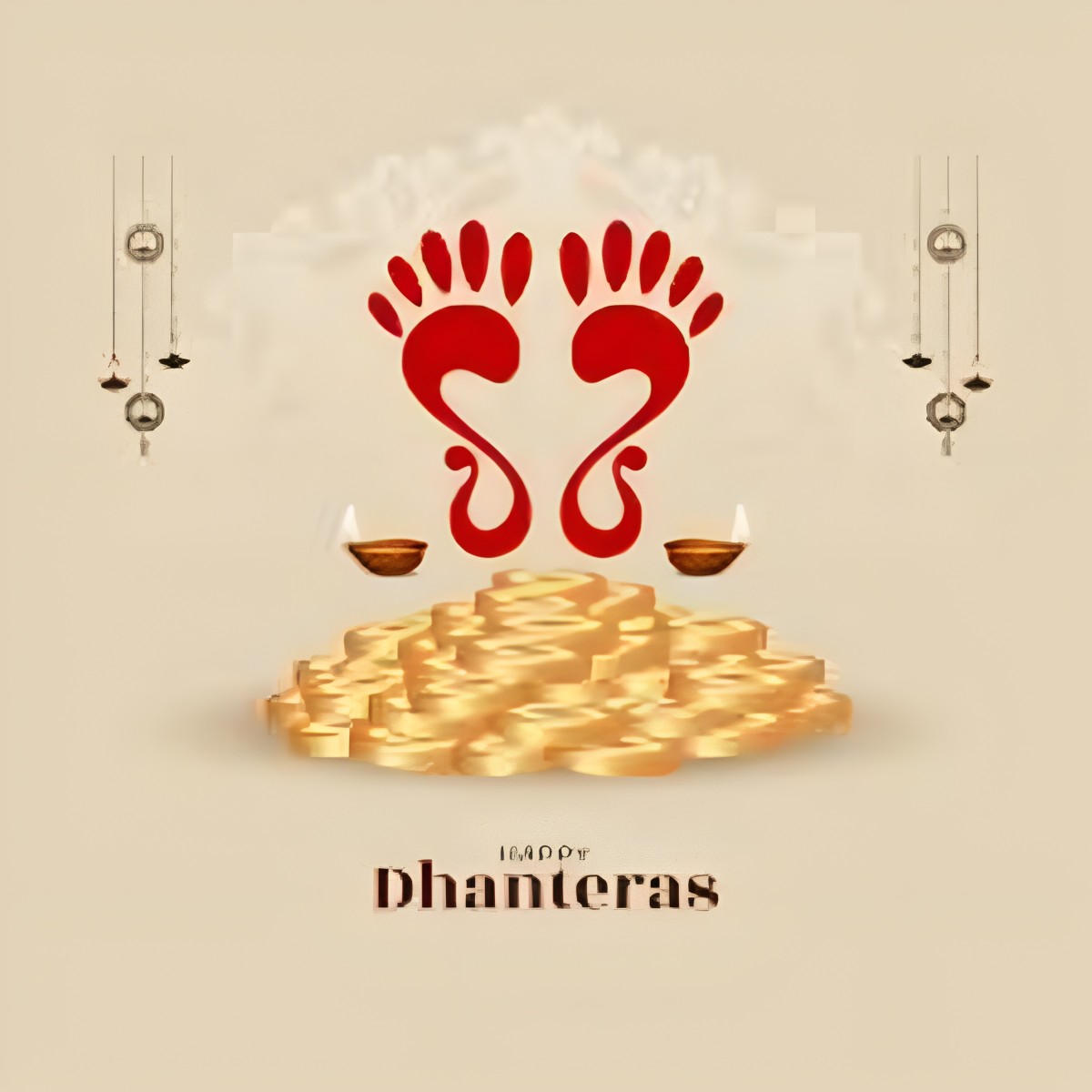
Dhanteras, also known as Dhanatrayodashi, kicks off the five-day Diwali festival, one of India’s most important and widely celebrated events. It falls on the 13th day of Krishna Paksha (waning moon phase) in the Hindu month of Kartika (October–November). The term “Dhanteras” combines ‘Dhan’ meaning wealth and ‘Teras’ meaning the 13th day, symbolizing a day dedicated to wealth, prosperity, and health.
Also Read:Cloudburst in Dehradun: What It Reveals About Rising Climate Risks
Historical and Mythological Significance
1. Lord Dhanvantari Emerges
Legend says that during the Samudra Manthan (churning of the ocean), gods and demons churned the cosmic ocean to obtain Amrit (nectar of immortality). From the ocean emerged Lord Dhanvantari, an incarnation of Lord Vishnu, carrying a kalash (pot) filled with Amrit and Ayurvedic scriptures. People honor him as the God of Ayurveda and health and observe Dhanteras to pray for good health and long life.
2. King Hima’s Son and the Power of Light
Another story tells of King Hima’s 16-year-old son, who was destined to die from a snakebite on his fourth wedding night. His clever wife stayed awake, surrounding him with gold coins and lamps, while singing and telling stories. When Yama, the God of Death, arrived disguised as a serpent, the light and gold blinded him, sparing the boy. This tale inspires the tradition of lighting lamps and buying gold or silver on Dhanteras.
Religious Significance
Dhanteras holds importance for Hindus, Jains, and some Buddhists, celebrated with rituals that differ by region.
- Hindus worship Lakshmi, the goddess of wealth, and Lord Dhanvantari, seeking health and prosperity.
- Jains mark it as the start of Diwali, celebrating Lord Mahavira.
- Business communities close their old account books and open new ones, praying for a prosperous financial year.
Traditional Rituals and Customs
1. Buying Gold, Silver, and Utensils
People consider buying gold, silver, or new utensils on Dhanteras highly auspicious. These purchases symbolize wealth and good fortune for the coming year.
2. Performing Dhanvantari Puja
Devotees perform pujas dedicated to Lord Dhanvantari, offering tulsi leaves, sweets, and herbal medicines, seeking protection from illness and blessings for good health.
3. Lakshmi Puja on a Smaller Scale
Although the grand Lakshmi Puja happens on Diwali night, many perform a smaller version on Dhanteras, cleaning and decorating their homes to welcome the goddess and lighting lamps while chanting mantras.
4. Lighting the Yama Deepam
To honor Yama, the God of Death, people light a diya (lamp) at their doorsteps, warding off untimely death and evil spirits. This tradition is called “Yama Deepdan.”
5. Cleaning and Decorating Homes
Families thoroughly clean their homes and decorate entrances with rangoli and flowers. They believe that Goddess Lakshmi only enters clean, bright, and welcoming houses.
Celebrations Across India
North India
In states like Uttar Pradesh, Delhi, Punjab, and Rajasthan, people flock to jewelry shops to buy gold and silver. Traders and businessmen start new account books to mark the financial year ahead.
South India
In Tamil Nadu, Andhra Pradesh, and Karnataka, people focus more on health rituals, worshiping Lord Dhanvantari. They also clean and decorate their homes with lamps and flowers.
Western India
In Gujarat and Maharashtra, Dhanteras kicks off the Diwali season with vibrant festivities. Gujaratis perform Chopda Pujan (ledger worship) and consider it an auspicious day to start their new financial year.
Modern-Day Celebrations and Trends
1. Buying Digital Gold and Online Shopping
Many now purchase digital gold and shop online for gold jewelry, electronics, and household items. E-commerce platforms often host special Dhanteras sales.
2. Purchasing Electronics and Vehicles
People extend the tradition by buying gadgets, laptops, smartphones, and even vehicles—viewing these as symbols of progress and prosperity.
3. Celebrating Eco-Friendly Dhanteras
Some families choose to celebrate responsibly by buying eco-friendly gifts, herbal products, or donating to those in need, embracing sustainability.
Spiritual Meaning and Symbolism
While Dhanteras centers on material wealth, its deeper meaning lies in:
- Expressing gratitude for health, wealth, and well-being.
- Seeking protection and longevity.
- Recognizing that true wealth involves health, happiness, and harmony.
- Reflecting on spiritual and moral prosperity beyond material gains.
Conclusion
Dhanteras goes beyond shopping and decoration—it celebrates life, health, and abundance. From ancient legends to modern traditions, it inspires people to seek prosperity and well-being. By lighting lamps and welcoming new possessions, we ignite the inner light of wisdom and positivity, setting the stage for the joyous festival of Diwali.
Also Read : Nitin Gadkari Major Warning After Operation Sindoor: ‘World War III Could Erupt Anytime