






Introduction
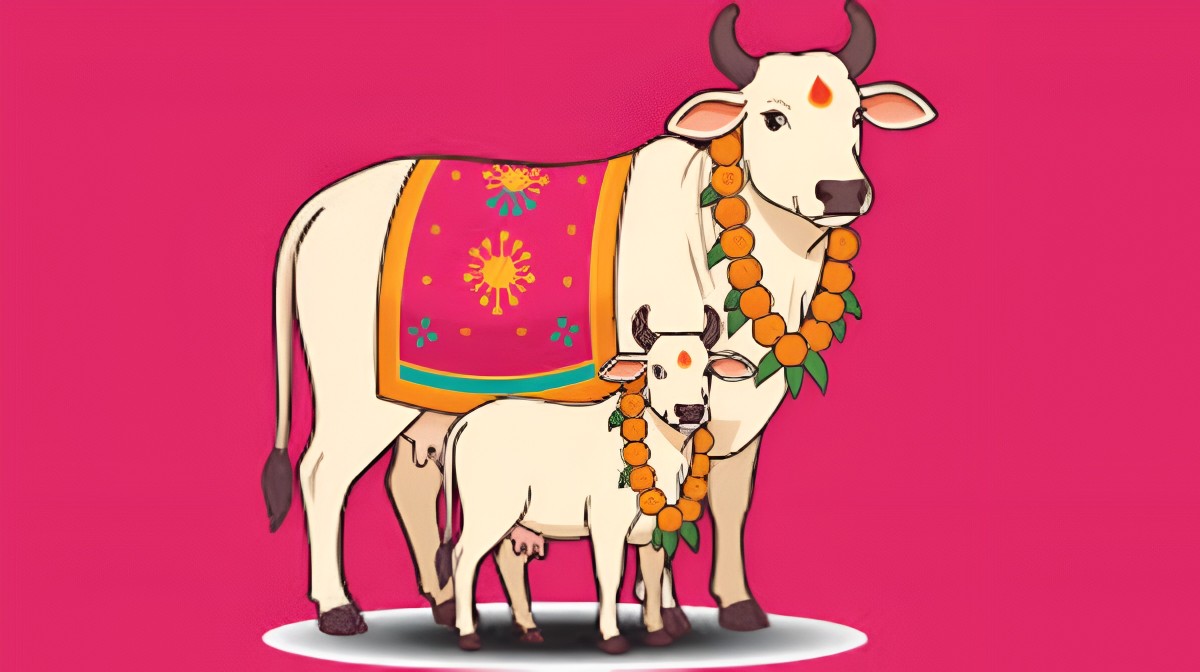
In Maharashtra, people begin the grand festival of Diwali not with lights or firecrackers, but with gratitude. They express this gratitude through Vasu Baras (also called Govatsa Dwadashi), a sacred tradition that marks the first day of Diwali celebrations in many parts of the state. On this day, families—especially women—worship the cow and calf as symbols of prosperity, nourishment, and maternal care.
This festival, rooted in ancient Vedic traditions and agrarian life, beautifully blends spirituality, sustainability, and social values. It encourages people to recognize the vital bond between humans and nature and to begin Diwali with a sense of reverence and humility.
Date and Tithi – When Do We Celebrate Vasu Baras?
People celebrate Vasu Baras on the 12th day (Dwadashi) of the Krishna Paksha (waning moon) in the Hindu month of Kartik.
- In 2025, Vasu Baras falls on October 17, just a few days before Dhanteras and Lakshmi Puja.
- The muhurta (auspicious timing) begins in the morning and usually lasts until midday or evening, depending on local customs and tithi.
Also Read:Cloudburst in Dehradun: What It Reveals About Rising Climate Risks
What Does the Name Mean?
- ‘Vasu’ refers to wealth, prosperity, or something precious.
- ‘Baras’ means the twelfth day of the lunar fortnight.
So, Vasu Baras becomes a day where people honor wealth and abundance. In agrarian traditions, cows represent that wealth because they nurture life and support livelihoods.
Mythological and Spiritual Importance
Hindus revere the cow (Gau Mata) as a sacred and nurturing figure:
- Cows provide milk and dairy products that sustain everyday life.
- They hold a spiritual link with Lord Krishna, who spent his childhood as a cowherd (Gopala).
- People associate cows with the Panchgavya—five sacred substances (milk, curd, ghee, urine, and dung) used in religious rituals.
- By worshipping cows on Vasu Baras, devotees seek peace, prosperity, fertility, and divine blessings.
The Skanda Purana narrates the story of Nandini, a divine cow who granted boons to those who served her. On this day, devotees thank cows for sustaining human life.
How People Celebrate Vasu Baras in Maharashtra
1. Preparation and Cleaning
- Families start the day by cleaning their homes.
- In rural areas, they wash and decorate real cows and calves.
- In cities, they often worship clay idols or pictures of cows when real cattle aren’t available.
2. Decoration
- They apply turmeric and vermilion (kumkum) on the cow’s forehead.
- They adorn cows with flower garlands, bells, and anklets.
- Women draw rangolis featuring cows and calves to welcome blessings.
3. Performing the Puja
Women prepare a puja thali with:
- Turmeric (haldi)
- Vermilion (kumkum)
- Rice
- Incense sticks
- Diyas (lamps)
- Flowers
- Naivedya (food offerings)
They perform aarti of the cow and offer food made with jaggery and wheat like puran poli or chapatis with gud. Many women observe a fast (vrat) for the health and prosperity of their families and livestock.
4. Food and Offerings
- Devotees feed cows with chapatis, jaggery, green grass, and fruits.
- Out of respect, some families avoid consuming milk or wheat products on this day.
Women’s Special Role in Vasu Baras
- Women lead the rituals of Vasu Baras.
- Married women consider it their spiritual duty to pray for their husbands’ and children’s well-being.
- The cow and calf also symbolize fertility and motherhood, so women seek blessings for family happiness and future generations.
How Rural and Urban Maharashtra Celebrate
In Rural Areas
- People worship actual cows in sheds or farms.
- Villages may host cattle fairs or group pujas.
- The community comes together to celebrate the bond with animals.
In Cities
- Families use clay or photo idols in their rituals.
- Housing societies often organize group celebrations.
- People prefer eco-friendly decorations and puja materials in urban settings.
Why Vasu Baras Starts the Diwali Festival
- People believe Goddess Lakshmi blesses homes that begin Diwali with purity and devotion.
- Vasu Baras sets a spiritual tone for the days that follow.
In Maharashtra, the five key Diwali days are:
- Vasu Baras – Honoring the cow
- Dhanteras – Celebrating wealth and health
- Narak Chaturdashi – Triumph of good over evil
- Lakshmi Puja – Worshipping the goddess of wealth
- Bhaubeej – Celebrating the sibling bond
By starting with Vasu Baras, people welcome Diwali with humility, gratitude, and devotion.
Modern Reflections on Vasu Baras
In today’s world, Vasu Baras continues to remind us to:
- Respect animals and nature.
- Show gratitude — not only for wealth, but for all life and natural gifts.
- Combine tradition with compassion by supporting animal welfare and practicing eco-conscious rituals.
Many families now:
- Donate to goshalas (cow shelters),
- Feed stray cattle, or
- Avoid animal cruelty in the name of devotion.
Conclusion
Vasu Baras invites people to begin Diwali with reflection and reverence. It goes far beyond ritual — it encourages us to reconnect with the earth, to honor the animals who sustain us, and to nurture values of compassion and awareness.
In Maharashtra, this sacred observance opens the festival of lights not with noise, but with devotion, simplicity, and soulful gratitude.
As we light our homes during Diwali, let Vasu Baras light our hearts — with kindness, mindfulness, and a deeper respect for life.
Also Read : Nitin Gadkari Major Warning After Operation Sindoor: ‘World War III Could Erupt Anytime