





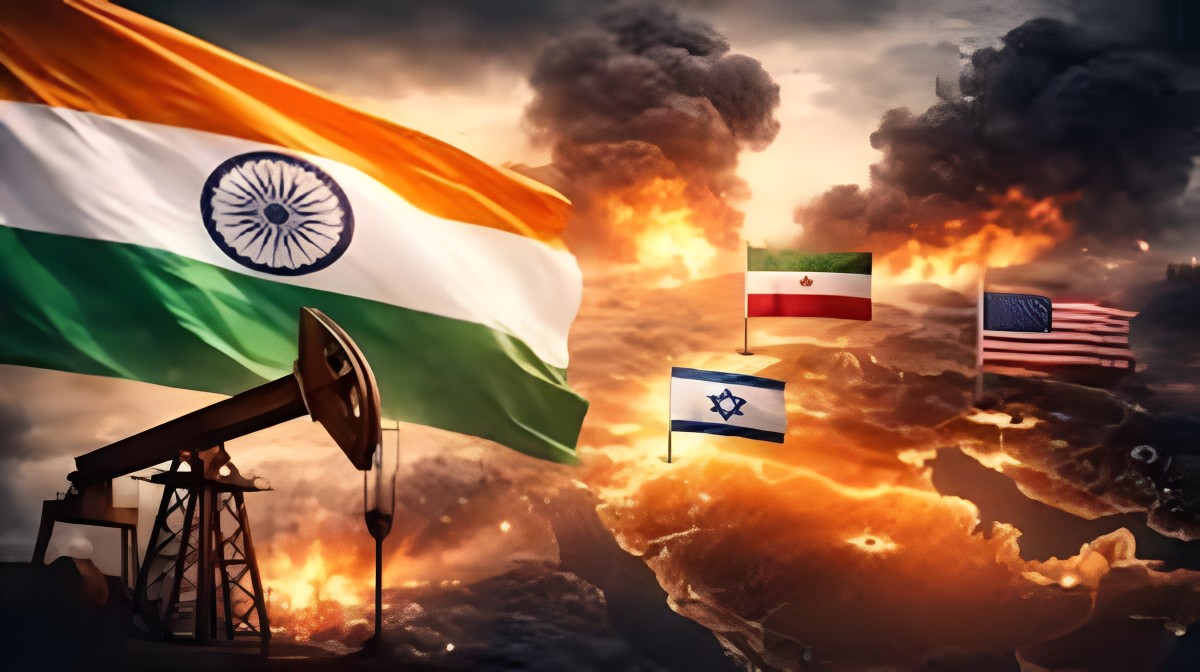
India has raised strong concerns over global energy security as the conflict in West Asia continues to intensify. The government has taken an active role in assessing the situation and engaging with key global partners to ensure that disruptions to oil supply remain minimal. Given that West Asia accounts for a large share of the world’s crude oil production, any instability in the region has far-reaching consequences.
Officials have highlighted that critical maritime routes, especially the Strait of Hormuz, play a vital role in transporting oil to countries across the world. A significant portion of India’s oil imports passes through this narrow waterway. Any blockade, attack, or escalation in conflict could disrupt shipments, increase transportation costs, and cause delays in supply. As a result, India has closely monitored developments and coordinated with international agencies to safeguard these routes.
India imports nearly 80–85% of its crude oil requirements, making it highly vulnerable to global supply shocks. In response, the government has strengthened its strategic petroleum reserves to cushion short-term disruptions. Authorities have also worked to diversify import sources by increasing oil purchases from other regions such as Africa, the United States, and Latin America. This approach reduces dependence on a single region and improves energy resilience.
At the diplomatic level, India has intensified its engagement with countries involved in or affected by the conflict. The Ministry of External Affairs has called for dialogue, restraint, and peaceful resolution of disputes. India has emphasized that maintaining stability in West Asia is not only important for regional peace but also essential for global economic health.
Also Read: Brazilian Model Larissa Responds to Allegations of Rahul Gandhi’s Vote Chori Connection
India explores alternative suppliers and renewable energy options
Economic experts have warned that prolonged tensions could lead to rising crude oil prices, which would directly impact fuel costs in India. Higher fuel prices could increase transportation and manufacturing costs, leading to inflation and affecting everyday life. Industries that rely heavily on fuel, such as aviation, logistics, and agriculture, may face additional pressure.
To counter these risks, India has accelerated its push toward renewable energy sources such as solar, wind, and biofuels. The government has promoted initiatives aimed at reducing fossil fuel dependence and building a more sustainable energy mix. Investments in electric mobility and green hydrogen also form part of India’s long-term strategy to strengthen energy security.
Furthermore, India has collaborated with global organizations and energy forums to advocate for collective action. By working with international partners, the country aims to ensure stable pricing, secure supply chains, and coordinated responses to crises.
Conclusion
In conclusion, India has adopted a comprehensive and forward-looking approach to address the challenges posed by the rising West Asia conflict. Through diplomatic engagement, diversification of energy sources, strategic reserves, and investment in renewable energy, the country aims to minimize risks and maintain economic stability. India continues to play a responsible role on the global stage by advocating for peace and cooperation, recognizing that long-term energy security depends on both stability and sustainable development.
Also Read: NCERT apologises to Supreme Court withdraws Class 8 textbook after controversy