


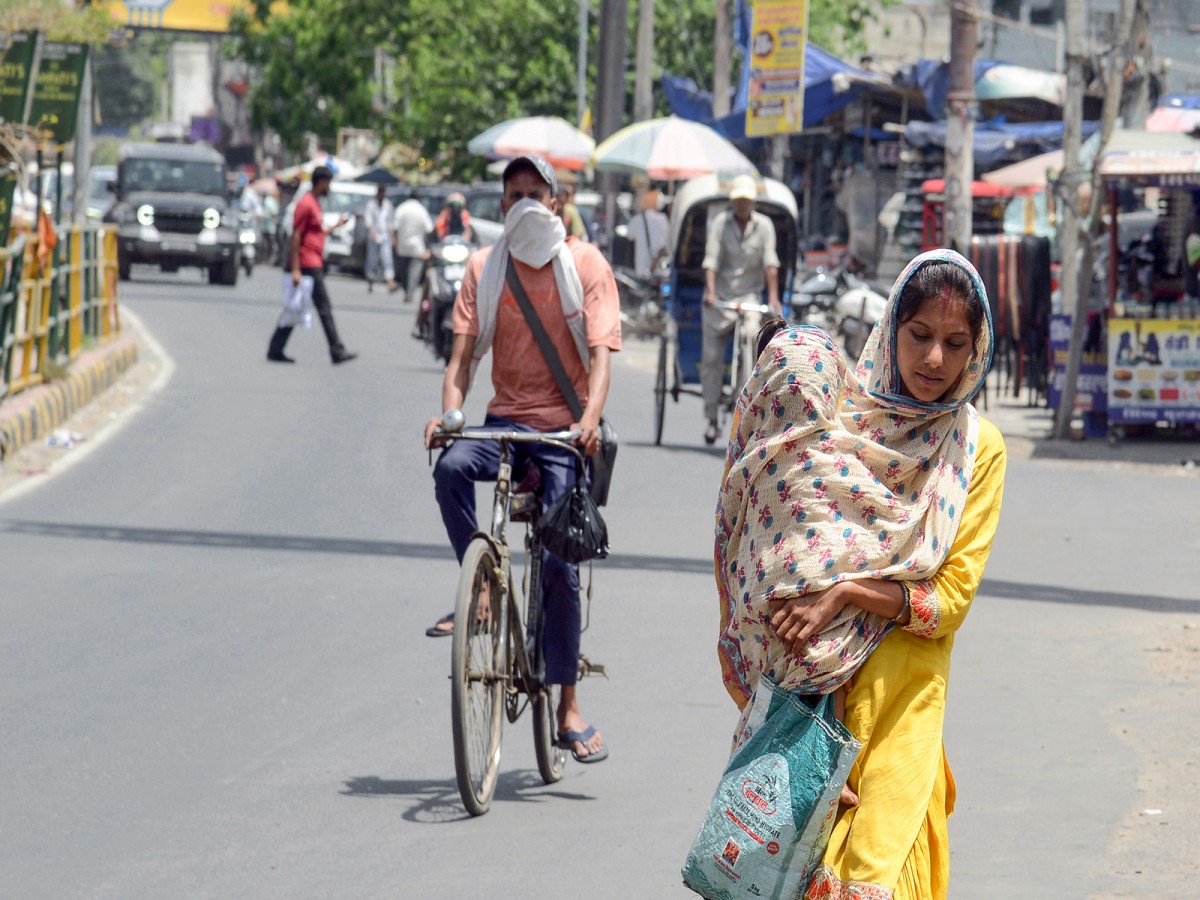
India is witnessing one of the harshest summer spells of 2026 as the India Meteorological Department (IMD) has issued red and orange heatwave warnings across several states. Temperatures in many regions have crossed 45°C, while some districts in Uttar Pradesh and Maharashtra touched nearly 48°C, creating severe health and power challenges for millions of people.
Also Read: Brazilian Model Larissa Responds to Allegations of Rahul Gandhi’s Vote Chori Connection
☀️ Severe Heatwave Grips North and Central India
According to IMD, heatwave to severe heatwave conditions are likely to continue over Northwest and Central India for the next 3–4 days. States such as Uttar Pradesh, Rajasthan, Madhya Pradesh, Haryana, Delhi, Vidarbha, and parts of Bihar are among the worst affected regions.
The weather department reported that Banda in Uttar Pradesh and Brahmapuri in Maharashtra recorded temperatures close to 47.6°C, making them among the hottest places in the country.
🔴 What Red and Orange Alerts Mean
The IMD uses a color-coded warning system to alert citizens about dangerous weather conditions.
- Red Alert: Extremely dangerous heat conditions that can cause heatstroke and severe health risks. Immediate precautions are necessary.
- Orange Alert: Severe heat conditions likely to affect vulnerable people, especially children, elderly citizens, and outdoor workers.
- Yellow Alert: Heat conditions that require caution and awareness.
The IMD clarified that a red warning means “Take Action” immediately to avoid health emergencies caused by extreme heat.
States Under Heatwave Warning
Several states are currently under different levels of heatwave alerts:
🔥 Red Alert Areas
- East Uttar Pradesh
- East Madhya Pradesh
- Vidarbha region of Maharashtra
- Parts of Rajasthan and Delhi NCR
🟠 Orange Alert Areas
- Punjab
- Haryana
- Chhattisgarh
- Telangana
- Odisha
- Coastal Andhra Pradesh
The IMD has also warned about “warm night conditions,” where temperatures remain unusually high even after sunset, making it difficult for people to recover from daytime heat.
⚡ Power Crisis Deepens Amid Rising Temperatures
The intense heat has sharply increased electricity demand across India. Air conditioners, coolers, and fans are running continuously, causing pressure on power grids.
Several cities, including Delhi, Chennai, and Noida, have reported power cuts and supply disruptions due to record electricity consumption. India’s electricity demand has crossed 270 gigawatts, the highest ever recorded during summer.
Experts believe the ongoing heatwave and delayed monsoon have further worsened the situation.
🏥 Health Risks Increase Across the Country
Doctors and health experts have warned that prolonged exposure to high temperatures can lead to dehydration, heat exhaustion, heatstroke, and even death in severe cases.
Children, elderly people, pregnant women, and laborers working outdoors remain the most vulnerable groups.
🚑 Common Symptoms of Heatstroke
- High body temperature
- Dizziness and fainting
- Severe headache
- Rapid heartbeat
- Nausea and dehydration
Hospitals in several states have already reported an increase in heat-related illnesses.
IMD Issues Safety Advisory
The IMD and health authorities have urged citizens to follow precautionary measures during the heatwave period.
✅ Safety Tips
- Drink plenty of water regularly
- Avoid going outdoors between 12 PM and 4 PM
- Wear light-colored cotton clothes
- Use umbrellas, caps, or cloth to cover the head
- Avoid strenuous physical activities during peak heat hours
- Never leave children or pets inside parked vehicles
Relief Likely After May 29
The IMD has predicted a gradual fall in temperatures after May 29 in some regions due to western disturbances and advancing monsoon activity. Rainfall and thunderstorms may bring partial relief to northern and central states by the end of the week.
However, Rajasthan and some adjoining areas may continue to experience high temperatures for a few more days.
✅ Conclusion
The ongoing heatwave has become a major concern across India as temperatures continue to soar above normal levels. With red and orange alerts issued in several states, authorities are urging people to remain cautious and avoid unnecessary exposure to the sun. Rising health risks, power shortages, and delayed monsoon conditions have made the situation even more challenging. Citizens are advised to follow IMD guidelines carefully until weather conditions improve in the coming days.
Also Read: “Cockroach Janta Party” Goes Viral: Gen Z Turns Satire Into a Political Storm