










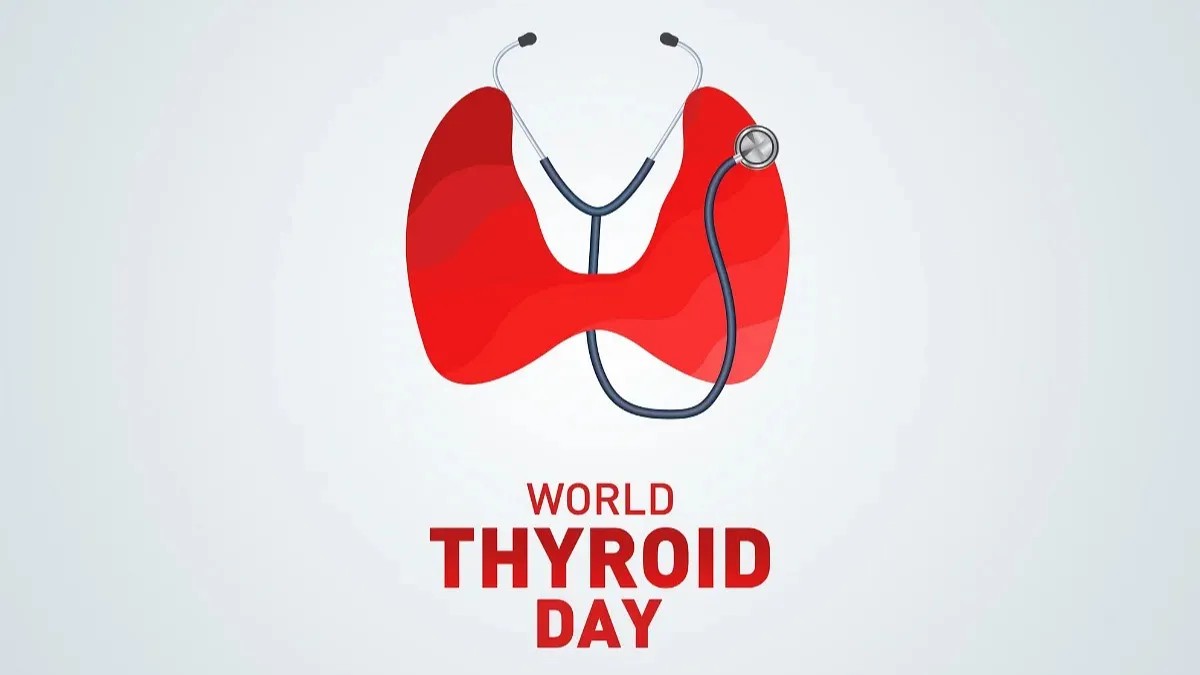
Every year on May 25, the world observes World Thyroid Day to raise awareness about thyroid diseases, encourage early diagnosis, and educate people about the importance of thyroid health. Despite being one of the smallest glands in the human body, the thyroid controls several essential functions that directly affect overall health and quality of life.
Medical experts across the globe are increasingly warning that thyroid disorders are becoming more common due to changing lifestyles, rising stress levels, poor eating habits, hormonal imbalance, pollution, and lack of physical activity. Millions of people remain unaware that they are suffering from thyroid-related problems because the symptoms often appear slowly and resemble common health issues such as fatigue, weight gain, anxiety, or mood swings.
World Thyroid Day 2026 once again highlights the urgent need for awareness, timely testing, and preventive healthcare measures to tackle the growing burden of thyroid disorders worldwide.
Also Read: Brazilian Model Larissa Responds to Allegations of Rahul Gandhi’s Vote Chori Connection
🔹 Understanding the Thyroid Gland
The thyroid is a small butterfly-shaped gland located at the front of the neck, just below the Adam’s apple. Although tiny in size, it plays a powerful role in regulating the body’s metabolism and hormone production.
The gland produces two important hormones:
- Thyroxine (T4)
- Triiodothyronine (T3)
These hormones travel through the bloodstream and influence almost every organ in the body. They help control:
- Heart rate
- Body temperature
- Energy production
- Digestion
- Brain development
- Muscle control
- Breathing
- Cholesterol levels
- Menstrual cycles
- Bone health
The pituitary gland in the brain controls thyroid hormone production through Thyroid Stimulating Hormone (TSH). Even a slight imbalance in thyroid hormones can significantly affect physical and mental health.
🔹 Why World Thyroid Day Is Important
Health organizations observe World Thyroid Day to educate people about thyroid disorders that often remain undiagnosed for years. Doctors say many patients ignore symptoms because they appear gradual and are mistaken for stress, aging, or routine lifestyle problems.
According to global health estimates, thyroid disorders affect hundreds of millions of people worldwide, with women being more vulnerable than men. In India alone, thyroid disorders are among the fastest-growing endocrine diseases.
Experts believe awareness is necessary because untreated thyroid conditions can lead to serious complications affecting the heart, fertility, mental health, and overall body functioning.
🔹 Major Types of Thyroid Disorders
✅ Hypothyroidism – Underactive Thyroid
Hypothyroidism occurs when the thyroid gland fails to produce enough hormones. This slows down the body’s metabolism.
Common Symptoms:
- Constant fatigue
- Weight gain
- Hair thinning or hair loss
- Dry skin
- Depression
- Memory problems
- Sensitivity to cold
- Slow heartbeat
- Swelling in the face
- Muscle weakness
- Irregular menstrual cycles
Causes:
- Autoimmune diseases like Hashimoto’s thyroiditis
- Iodine deficiency
- Certain medications
- Radiation treatment
- Thyroid surgery
Doctors say hypothyroidism is especially common among women over 30 and elderly individuals.
✅ Hyperthyroidism – Overactive Thyroid
Hyperthyroidism develops when the thyroid gland produces excessive hormones, causing the body’s systems to work too fast.
Common Symptoms:
- Rapid heartbeat
- Sudden weight loss
- Nervousness and anxiety
- Excessive sweating
- Shaking hands
- Difficulty sleeping
- Increased appetite
- Irritability
- Muscle weakness
Causes:
- Graves’ disease
- Thyroid nodules
- Excessive iodine intake
- Thyroid inflammation
If left untreated, hyperthyroidism can increase the risk of heart problems and bone loss.
✅ Thyroid Nodules
Thyroid nodules are abnormal lumps that develop inside the thyroid gland. Most nodules are non-cancerous, but some may become cancerous over time.
Doctors often detect nodules during routine check-ups or scans.
Warning Signs:
- Swelling in the neck
- Difficulty swallowing
- Voice changes
- Breathing difficulties
✅ Thyroid Cancer
Though relatively rare, thyroid cancer cases are increasing globally. Early detection usually results in successful treatment.
Common Symptoms:
- Lump in the neck
- Persistent throat pain
- Hoarseness
- Swollen lymph nodes
Medical experts stress that regular screening can help detect thyroid cancer at an early stage.
🔹 Why Thyroid Disorders Are Increasing Rapidly
Healthcare experts believe modern lifestyles are significantly contributing to the rise in thyroid-related diseases.
Major Reasons Include:
✔ Stress and Mental Pressure
Long-term stress affects hormone production and can disturb thyroid functioning.
✔ Poor Eating Habits
Excessive junk food, processed foods, and nutritional deficiencies contribute to thyroid imbalance.
✔ Sedentary Lifestyle
Lack of exercise slows metabolism and affects hormonal health.
✔ Sleep Disorders
Irregular sleep patterns negatively impact endocrine functions.
✔ Pollution and Environmental Toxins
Exposure to chemicals and pollutants may interfere with thyroid hormones.
✔ Genetic Factors
Family history increases the risk of thyroid disorders.
✔ Hormonal Changes
Pregnancy, menopause, and puberty can trigger thyroid problems in women.
🔹 Women Face Higher Risk
Doctors say women are nearly eight times more likely than men to develop thyroid disorders.
Hormonal fluctuations during:
- Pregnancy
- Childbirth
- Menopause
- Menstrual cycles
can affect thyroid health significantly.
Untreated thyroid conditions during pregnancy may lead to:
- Miscarriage
- Premature birth
- Developmental problems in babies
- High blood pressure complications
This is why doctors recommend routine thyroid testing for women during pregnancy.
🔹 Thyroid Problems Among Young People
Medical experts are increasingly concerned about rising thyroid disorders among teenagers and young adults.
Main Contributing Factors:
- Increased screen time
- Fast-food consumption
- Lack of physical activity
- Academic stress
- Irregular sleeping habits
Young patients often ignore symptoms such as tiredness, concentration issues, or sudden weight changes, delaying diagnosis.
🔹 Importance of Early Diagnosis
Doctors emphasize that early diagnosis is the most effective way to manage thyroid disorders and avoid complications.
Simple blood tests can quickly detect thyroid imbalance:
- TSH Test
- T3 Test
- T4 Test
Additional tests may include:
- Ultrasound scans
- Thyroid antibody tests
- Biopsy for nodules
Early treatment allows patients to manage symptoms effectively and maintain a normal lifestyle.
🔹 Health Complications Linked to Untreated Thyroid Disorders
Ignoring thyroid problems can affect multiple organs and systems in the body.
Possible Complications:
- Heart disease
- Infertility
- Depression and anxiety
- Osteoporosis
- High cholesterol
- Nerve damage
- Severe fatigue
- Memory impairment
- Pregnancy complications
Doctors warn that untreated hypothyroidism in severe cases may even become life-threatening.
🔹 How to Maintain a Healthy Thyroid
Health experts recommend adopting healthier lifestyle habits to reduce thyroid-related risks.
Healthy Thyroid Tips
✔ Eat Nutrient-Rich Foods
Consume foods rich in:
- Iodine
- Selenium
- Zinc
- Iron
- Vitamin D
✔ Exercise Regularly
Physical activity improves metabolism and hormonal balance.
✔ Manage Stress
Yoga, meditation, and breathing exercises can help control stress hormones.
✔ Sleep Properly
Adults should aim for at least 7–8 hours of sleep daily.
✔ Avoid Excessive Junk Food
Processed foods can negatively affect metabolism and weight management.
✔ Get Regular Health Check-Ups
Routine screenings help identify problems early.
✔ Follow Medical Advice
Patients diagnosed with thyroid disorders should take medicines regularly and avoid self-medication.
🔹 Awareness Campaigns on World Thyroid Day 2026
Hospitals, medical colleges, healthcare organizations, and NGOs are organizing several awareness activities worldwide.
Key Activities Include:
- Free thyroid testing camps
- Public awareness seminars
- Health workshops
- Online awareness drives
- Social media campaigns
- Educational programs in schools and colleges
Doctors and health professionals are using these platforms to encourage people to recognize symptoms early and seek timely treatment.
🔹 Government and Healthcare Efforts
Many countries are strengthening endocrine healthcare services to improve diagnosis and treatment accessibility.
Healthcare experts are also calling for:
- Better public awareness
- Affordable testing facilities
- Routine thyroid screening programs
- Greater focus on women’s hormonal health
Public health campaigns are helping reduce stigma and misinformation surrounding thyroid diseases.
🔹 Role of Nutrition in Thyroid Health
Nutrition experts say diet plays a major role in maintaining thyroid balance.
Foods Helpful for Thyroid Health:
- Dairy products
- Eggs
- Fish
- Nuts and seeds
- Green vegetables
- Fruits
- Whole grains
However, experts also caution against excessive iodine intake, as both deficiency and excess can affect thyroid functioning.
🔹 Mental Health and Thyroid Disorders
Thyroid imbalance can also influence emotional and mental well-being.
People with thyroid disorders may experience:
- Anxiety
- Mood swings
- Depression
- Irritability
- Brain fog
- Difficulty concentrating
Doctors say mental health symptoms should not be ignored because they may indicate hormonal imbalance.
🔹 Conclusion
World Thyroid Day 2026 serves as an important reminder that a small gland can have a huge impact on overall health. Rising thyroid disorders across all age groups highlight the urgent need for awareness, healthy lifestyles, early testing, and timely medical care.
Experts continue to urge people not to ignore warning signs such as fatigue, sudden weight changes, anxiety, hair loss, or sleep problems. Regular health check-ups, balanced nutrition, exercise, and stress management can significantly reduce the risk of thyroid complications.
As healthcare awareness grows worldwide, World Thyroid Day continues to encourage millions of people to prioritize thyroid health and take proactive steps toward a healthier future.
Also Read: “Cockroach Janta Party” Goes Viral: Gen Z Turns Satire Into a Political Storm