





🌍 Introduction
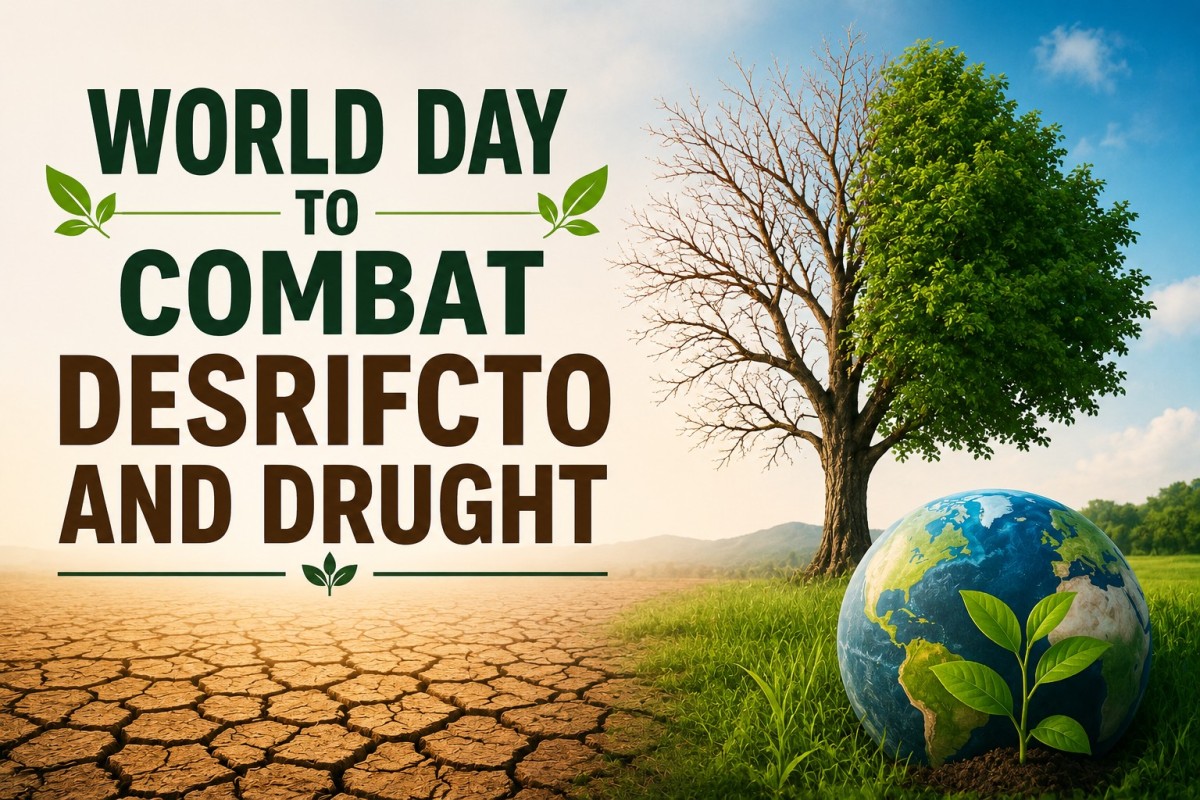
Every year on June 17, people around the world observe World Day to Combat Desertification and Drought to raise awareness about land degradation, desertification, and drought. This observance emphasizes sustainable land management and encourages governments, organizations, and individuals to protect natural resources. As climate change increasingly impacts ecosystems worldwide, communities recognize the growing importance of this day in promoting environmental sustainability and food security.
Also Read: Brazilian Model Larissa Responds to Allegations of Rahul Gandhi’s Vote Chori Connection
📜 History of World Day to Combat Desertification and Drought
The United Nations General Assembly established World Day to Combat Desertification and Drought in 1994 after adopting the United Nations Convention to Combat Desertification (UNCCD). Through this international agreement, countries committed themselves to addressing land degradation and promoting sustainable land management practices.
The world celebrated the first observance in 1995. Since then, nations have organized awareness campaigns, educational programs, community events, and policy discussions. The observance reminds people that healthy land supports economic development, biodiversity conservation, and human well-being.
🎯 Theme of World Day to Combat Desertification and Drought 2026
Each year, the United Nations selects a theme that focuses global attention on a specific aspect of land restoration and drought resilience. In 2026, the observance highlights sustainable land use, ecosystem restoration, and collective action against environmental degradation.
The theme encourages governments, businesses, and communities to restore degraded lands, improve water management, and strengthen resilience to climate-related challenges.
🌱 What Is Desertification?
Desertification occurs when land in arid, semi-arid, and dry sub-humid regions loses its productivity and quality. Climate change, deforestation, overgrazing, unsustainable farming methods, and poor land management contribute significantly to this process.
As land quality deteriorates, farmers produce fewer crops, biodiversity declines, and communities face greater economic and environmental difficulties.
💧 Understanding Drought
A drought occurs when an area experiences below-average rainfall for an extended period, resulting in water shortages. Droughts affect agriculture, ecosystems, economies, and public health across the globe.
Rising temperatures and changing weather patterns have increased the frequency and severity of droughts in many regions. Communities can reduce these impacts by conserving water and managing resources responsibly.
📊 Key Facts About Desertification and Drought
- Nearly 40 percent of the world’s land has experienced degradation.
- Billions of people rely on healthy land for food, water, and livelihoods.
- Land degradation threatens biodiversity and accelerates climate change.
- Drought ranks among the most costly natural disasters worldwide.
- Restoring degraded land improves food security and climate resilience.
- Sustainable land management reduces poverty and protects ecosystems.
🌿 Importance of the Day
This observance highlights the urgent need to protect land resources and prevent further degradation. Healthy land supports agriculture, provides clean water, stores carbon, and sustains biodiversity.
World Day to Combat Desertification and Drought encourages investment in restoration projects, promotes environmental education, and strengthens international cooperation to address environmental challenges.
🤝 How People Can Contribute
People can help combat desertification and drought through simple actions, including:
- Conserving water at home and in workplaces.
- Planting trees and supporting reforestation projects.
- Reducing waste and adopting sustainable consumption habits.
- Supporting environmentally responsible farming practices.
- Participating in local environmental awareness campaigns.
- Protecting and restoring natural ecosystems.
🌎 Global Efforts to Restore Land
Countries and international organizations continue to implement programs that restore degraded landscapes and improve drought preparedness. These initiatives include afforestation projects, soil conservation programs, water harvesting systems, and sustainable agricultural practices.
By working together and planning for the long term, governments and communities can protect land resources and build a sustainable future for future generations.
✅ Conclusion
World Day to Combat Desertification and Drought 2026 reminds people that healthy land forms the foundation of human survival and environmental sustainability. As land degradation and drought continue to challenge communities worldwide, governments, organizations, and individuals must work together to restore ecosystems, conserve resources, and promote sustainable development. Through collective action today, society can create a greener, healthier, and more resilient future for generations to come.
Also Read: Bluestreak Cleaner Wrasse: Importance, Benefits, and Why It Is Called the “Cleaner Fish”