




🟦 Introduction
Deekshabhoomi in Nagpur, Maharashtra, is one of the most important Buddhist pilgrimage sites in the world. Every year, millions of visitors, devotees, scholars, and tourists travel here to pay tribute to Dr. B. R. Ambedkar, the chief architect of the Indian Constitution, who embraced Buddhism at this historic location on 14 October 1956. The event marked the beginning of a powerful social movement that inspired millions of people to adopt the principles of equality, compassion, and justice.
Today, Deekshabhoomi stands as a symbol of peace, knowledge, and social transformation.
Also Read: Brazilian Model Larissa Responds to Allegations of Rahul Gandhi’s Vote Chori Connection
🏛️ What Is Deekshabhoomi?
The word “Deeksha” means initiation, while “Bhoomi” means land. Together, Deekshabhoomi means “the land of initiation.”
This sacred site is where Dr. B. R. Ambedkar accepted Buddhism along with hundreds of thousands of followers. Historians consider it one of the largest peaceful religious conversion events in modern history.
📜 Historical Significance
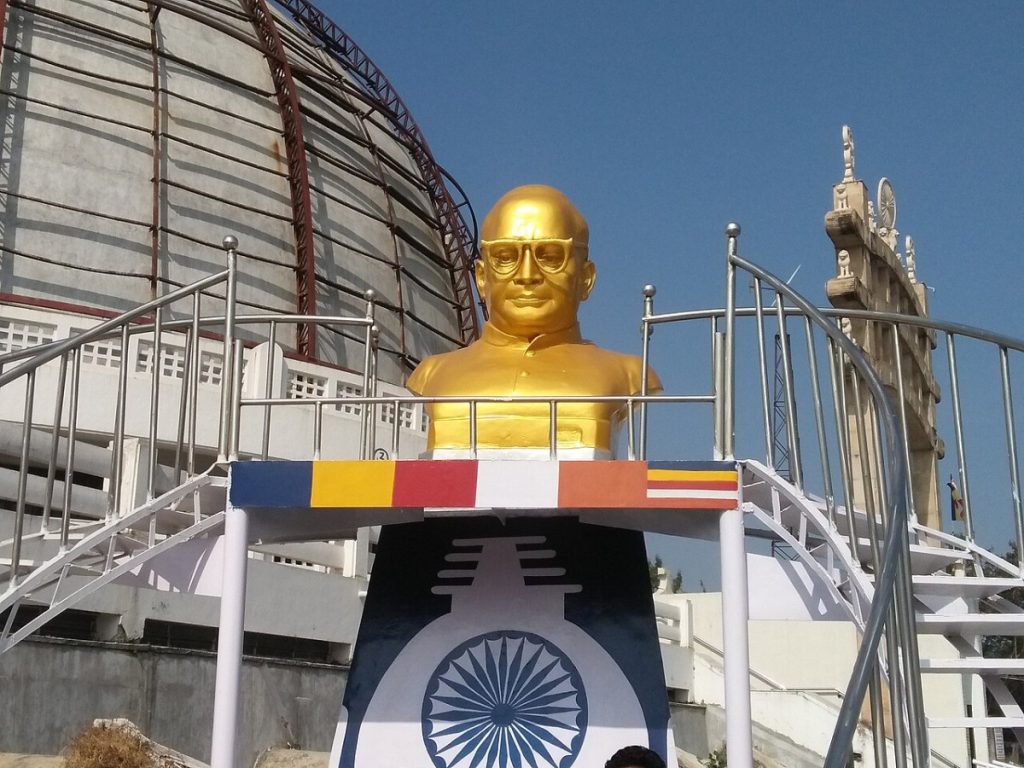
On 14 October 1956, Dr. Ambedkar formally embraced Buddhism under the guidance of Mahasthavir Chandramani. Soon after, he administered the 22 Vows to his followers, encouraging them to reject caste discrimination and adopt the teachings of Lord Buddha.
This event became a landmark in India’s social reform movement and strengthened the ideals of equality, dignity, and human rights.
🛕 Architecture of Deekshabhoomi
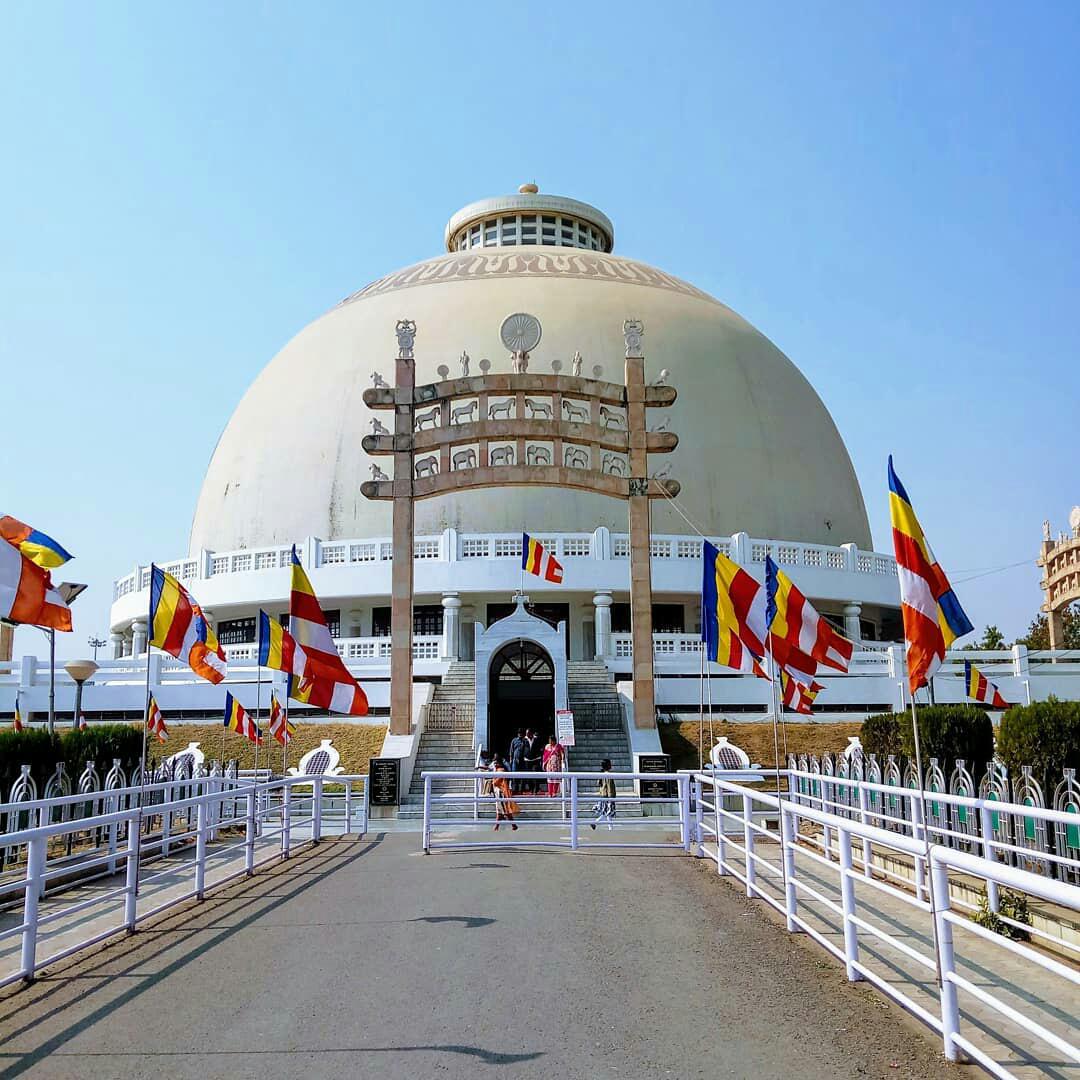
The main attraction at Deekshabhoomi is its magnificent white stupa.
Key architectural highlights include:
- 🟢 A massive hemispherical dome inspired by traditional Buddhist stupas.
- 🟢 Spacious meditation halls for visitors.
- 🟢 A peaceful prayer area for devotees.
- 🟢 Beautiful landscaped gardens surrounding the monument.
- 🟢 A museum displaying the life and work of Dr. B. R. Ambedkar.
- 🟢 A library containing Buddhist literature and historical documents.
The monument combines simplicity with elegance, creating an atmosphere ideal for reflection and meditation.
☸️ Importance in Buddhism
Deekshabhoomi has become one of the most respected Buddhist pilgrimage destinations in India.
It represents:
- ✔ Equality among all people
- ✔ Freedom from social discrimination
- ✔ Compassion and non-violence
- ✔ Knowledge and self-improvement
- ✔ The teachings of Lord Buddha
Thousands of monks and followers from countries such as Sri Lanka, Thailand, Japan, Myanmar, Nepal, and other nations visit the site every year.
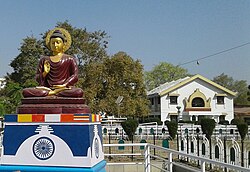
👨🏫 Connection with Dr. B. R. Ambedkar
Dr. Ambedkar believed that Buddhism promoted liberty, equality, and fraternity. He chose Nagpur because of its historical association with Buddhism and its central location in India.
His decision inspired millions to embrace a religion based on rational thinking, morality, and compassion.
Today, visitors remember his vision of creating a society free from discrimination.
🎉 Dhammachakra Pravartan Din
Every year on 14 October, Deekshabhoomi hosts Dhammachakra Pravartan Din, one of the largest annual gatherings in Nagpur.
During the event:
- 🟡 Millions of devotees visit the monument.
- 🟡 Buddhist monks conduct prayer ceremonies.
- 🟡 Religious discourses and cultural programs take place.
- 🟡 Visitors pay homage to Dr. Ambedkar.
- 🟡 Book exhibitions and educational events promote Buddhist teachings.
The city welcomes pilgrims from across India and several other countries during this celebration.
📚 Museum and Library
The museum preserves photographs, historical documents, and items related to Dr. Ambedkar’s life and the Buddhist movement.
The library houses books on:
- 📖 Buddhism
- 📖 Indian history
- 📖 Social justice
- 📖 Constitutional studies
- 📖 Philosophy
Students, researchers, and historians frequently use these resources.
🌳 Peaceful Environment
Visitors appreciate Deekshabhoomi not only for its history but also for its calm surroundings.
The clean pathways, green gardens, and quiet atmosphere make it an excellent place for:
- 🌿 Meditation
- 🌿 Prayer
- 🌿 Reading
- 🌿 Self-reflection
- 🌿 Photography
🚗 How to Reach Deekshabhoomi
✈ By Air
Dr. Babasaheb Ambedkar International Airport is about 8 km from Deekshabhoomi.
🚆 By Train
Nagpur Junction Railway Station is approximately 5 km away and offers excellent connectivity to major Indian cities.
🚌 By Road
City buses, taxis, auto-rickshaws, and app-based cab services provide easy access from every part of Nagpur.
🕒 Best Time to Visit
The ideal months to visit are October to February, when the weather remains pleasant.
If you want to experience the spiritual atmosphere at its peak, visit during Dhammachakra Pravartan Din in October. However, expect large crowds during this period.
📍 Nearby Attractions
After visiting Deekshabhoomi, you can also explore:
- 🐅 Maharajbagh Zoo
- 🌿 Futala Lake
- 🏛️ Sitabuldi Fort
- 🌳 Seminary Hills
- 🦁 Balasaheb Thackeray Gorewada International Zoological Park
- 🌺 Ambazari Lake and Garden
⭐ Why Deekshabhoomi Matters Today
Deekshabhoomi continues to inspire people through its message of equality, education, compassion, and peaceful coexistence. It serves as a reminder of Dr. B. R. Ambedkar’s lifelong struggle for social justice and human dignity.
For many visitors, the site is more than a monument—it is a place where history, spirituality, and hope come together.
📝 Conclusion
Deekshabhoomi is one of India’s most significant historical and spiritual landmarks. It reflects the ideals of Buddhism, equality, and social justice while preserving the legacy of Dr. B. R. Ambedkar. Whether you visit as a pilgrim, history enthusiast, researcher, or tourist, Deekshabhoomi offers a meaningful experience that highlights the values of peace, knowledge, and humanity.
Also Read: Life Lessons from Dr. B.R. Ambedkar: Inspiring Quotes for Every Generation