









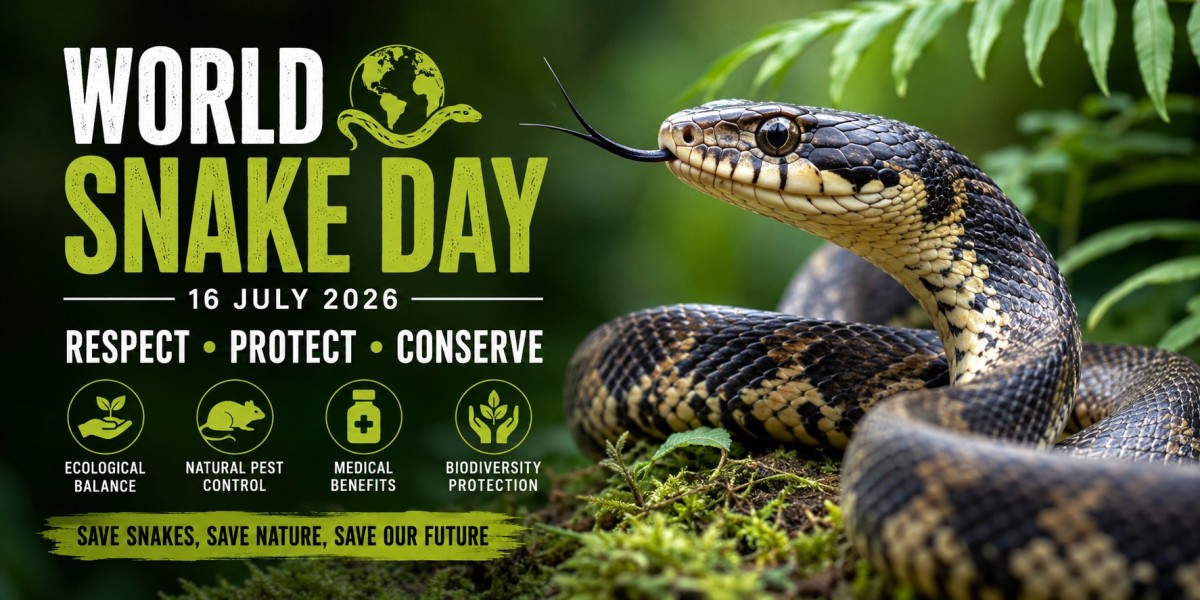
World Snake Day 2026 is observed every year on July 16 to raise awareness about snakes, their importance in maintaining ecological balance, and the need to protect them from habitat loss, illegal wildlife trade, and human fear. Despite playing a vital role in nature, snakes remain among the most misunderstood creatures on Earth. This day encourages people to learn the facts, respect wildlife, and support conservation efforts.
Also Read: Brazilian Model Larissa Responds to Allegations of Rahul Gandhi’s Vote Chori Connection
🐍 What Is World Snake Day?
World Snake Day is an international awareness event dedicated to educating people about snakes and promoting their conservation. Wildlife organizations, zoos, researchers, and environmental groups use this day to dispel myths, encourage coexistence, and highlight the ecological importance of snake species around the world.
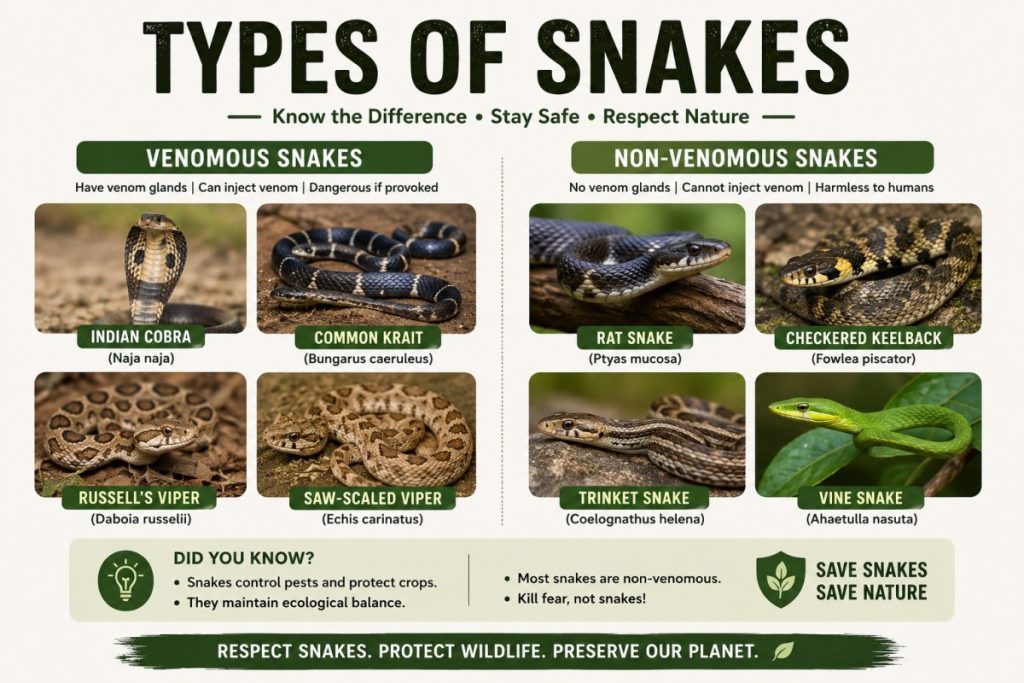
The observance reminds people that snakes are not natural enemies of humans. Most snake species are non-venomous, avoid human contact, and only bite when they feel threatened.
🌍 Why Are Snakes Important?
Snakes play a crucial role in maintaining healthy ecosystems. They act as both predators and prey, helping keep nature in balance.
✅ Natural Pest Controllers
Snakes feed on rats, mice, and other rodents that damage crops and spread diseases. Farmers benefit from healthy snake populations because they naturally reduce pest numbers without the need for excessive pesticides.
✅ Maintaining Ecological Balance
Snakes help regulate populations of small mammals, birds, frogs, and insects. Without snakes, prey populations could grow rapidly and disrupt the food chain.
✅ Food for Other Wildlife
Many birds of prey, mongooses, crocodiles, and larger mammals depend on snakes as a food source. Protecting snakes helps support biodiversity across ecosystems.
✅ Medical and Scientific Importance
Scientists use snake venom to develop life-saving medicines. Research on snake venom has contributed to treatments for heart disease, blood disorders, pain management, and high blood pressure.
🐍 Common Myths About Snakes and the Truth
Many misconceptions cause people to fear or kill snakes unnecessarily.
❌ Myth 1: Every Snake Is Venomous
Fact: Only a small percentage of snake species are venomous. Most snakes are harmless and pose little danger to humans.
❌ Myth 2: Snakes Always Attack Humans
Fact: Snakes usually avoid people. They bite only when cornered, frightened, or accidentally stepped on.
❌ Myth 3: Snakes Chase People
Fact: Snakes do not intentionally chase humans. They may move in the same direction while trying to escape or reach shelter, creating the false impression that they are chasing someone.
❌ Myth 4: Baby Snakes Are More Dangerous Than Adults
Fact: Both young and adult venomous snakes can be dangerous. There is no evidence that baby snakes are automatically more venomous than adults.
❌ Myth 5: Killing Snakes Makes the Area Safer
Fact: Removing snakes can increase rodent populations and upset the local ecosystem. Professional wildlife rescuers should relocate snakes whenever possible.
🌱 Threats Facing Snakes
Snake populations continue to decline because of several human-related activities.
- Habitat destruction due to urban expansion and deforestation
- Illegal wildlife trade
- Road accidents
- Pollution and climate change
- Deliberate killing caused by fear and misinformation
Conservation experts warn that losing snake populations can negatively affect agriculture, biodiversity, and ecosystem stability.
🛡️ How to Stay Safe Around Snakes
People can safely coexist with snakes by following simple precautions.
- Wear sturdy footwear while walking through fields or forests.
- Avoid placing your hands in holes, rock crevices, or thick bushes.
- Keep surroundings clean to discourage rodents, which attract snakes.
- Stay calm if you encounter a snake and maintain a safe distance.
- Contact trained wildlife rescue teams instead of attempting to catch or kill a snake.
- Never try to handle a snake unless you are a qualified expert.
🇮🇳 Snake Conservation in India
India is home to more than 300 species of snakes, including several venomous and many non-venomous species. Well-known venomous snakes include the Indian Cobra, Common Krait, Russell’s Viper, and Saw-scaled Viper, often referred to as the “Big Four.”
Organizations, forest departments, wildlife NGOs, and trained snake rescuers across India work to rescue snakes from residential areas and release them safely into suitable habitats. Public awareness campaigns also educate communities about snake identification, first aid for snakebites, and wildlife protection laws.
🏥 What to Do in Case of a Snakebite
If someone is bitten by a snake:
- Stay calm and seek immediate medical attention.
- Keep the affected limb still and below heart level if possible.
- Remove rings, watches, or tight clothing before swelling begins.
- Do not cut the wound.
- Do not suck out the venom.
- Do not apply ice or chemicals.
- Avoid using tight tourniquets unless advised by medical professionals.
- Reach the nearest hospital where antivenom treatment is available.
Prompt medical treatment significantly improves survival and recovery.
🌎 How You Can Support Snake Conservation
Everyone can contribute to protecting snakes and biodiversity.
- Learn about local snake species.
- Share accurate information to reduce myths.
- Support wildlife conservation organizations.
- Protect forests and natural habitats.
- Report illegal wildlife trade.
- Encourage children to respect wildlife through education.
Small actions can create a positive impact on snake conservation.
🎯 Conclusion
World Snake Day 2026 reminds us that snakes are essential members of our ecosystems, not creatures to fear without reason. They protect crops by controlling pests, support biodiversity, and even contribute to modern medicine through venom research. Replacing myths with scientific knowledge allows people and wildlife to coexist more safely.
By respecting snakes, protecting their habitats, and spreading awareness, we help preserve ecological balance for future generations. This World Snake Day, choose knowledge over fear and become a voice for snake conservation.
Also Read: A Complete Guide to Deekshabhoomi, Nagpur: History and Significance