





Introduction
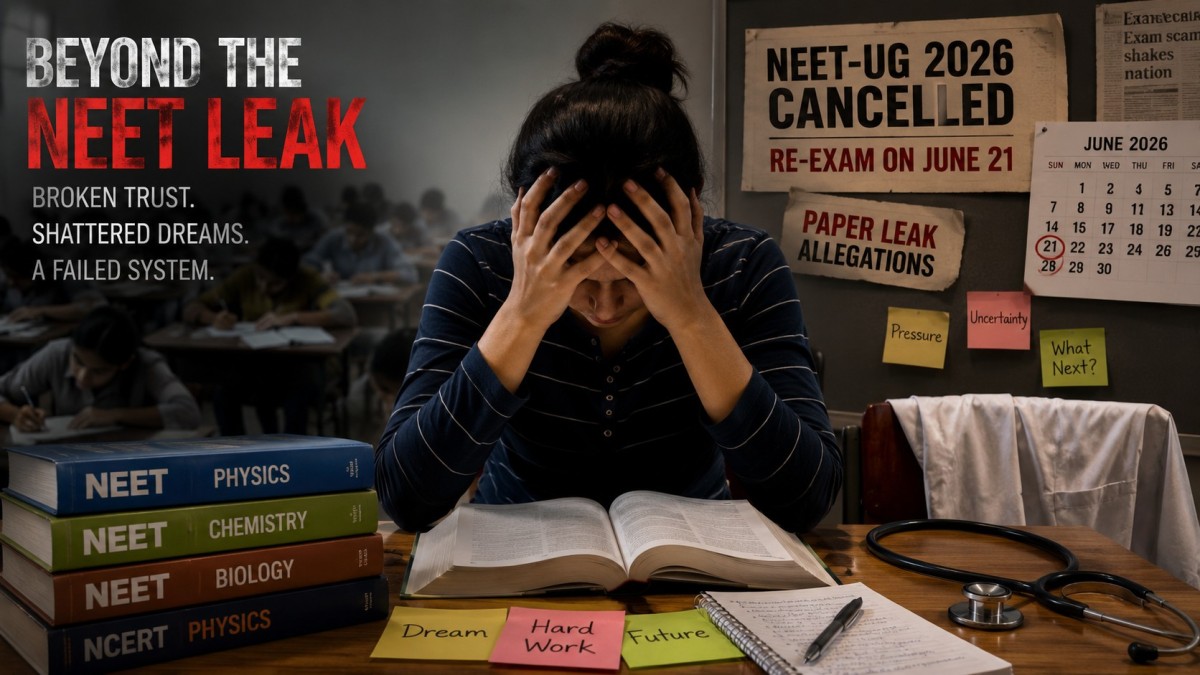
The alleged NEET paper leak controversy has once again raised serious concerns about the credibility of India’s competitive examination system. Lakhs of students spend years preparing for the National Eligibility cum Entrance Test (NEET) with hopes of securing admission into prestigious medical colleges. However, repeated allegations of paper leaks, mismanagement, and irregularities have shaken the confidence of students and parents across the country.
The issue has now grown beyond a single examination controversy. Many students, education experts, and opposition leaders believe that the incident reflects deeper problems within India’s examination and education system.
Also Read: Brazilian Model Larissa Responds to Allegations of Rahul Gandhi’s Vote Chori Connection
📚 Students Lose Faith in Competitive Exams
Students dedicate countless hours to preparation, coaching classes, mock tests, and self-study to crack highly competitive exams like NEET. When reports of paper leaks emerge, hardworking aspirants feel betrayed and helpless.
Many students expressed anger on social media and demanded strict action against those responsible. Several aspirants claimed that such incidents destroy fair competition and discourage honest students who rely only on hard work.
Parents also questioned how confidential examination papers continue to leak despite advanced technology and security systems.
⚠️ Questions Raised on Government and Authorities
The controversy triggered criticism against examination authorities and the education administration. Critics accused officials of failing to maintain transparency and security during one of the country’s most important entrance examinations.
Opposition parties demanded accountability from the government and called for independent investigations into the matter. Several education activists argued that authorities must strengthen cybersecurity, monitoring systems, and staff accountability to prevent future leaks.
The incident also reignited debates over the functioning of exam-conducting agencies and their preparedness in handling large-scale national examinations.
Mental Pressure on Students Continues to Grow
The NEET controversy increased stress and anxiety among students. Many aspirants feared that irregularities could affect their rankings, admissions, and future careers.
Students preparing for medical entrance exams already face immense academic pressure, long study hours, and fierce competition. Controversies like paper leaks add emotional frustration and uncertainty to their lives.
Mental health experts advised students not to panic and encouraged authorities to provide clear communication and timely updates regarding investigations and examination processes.
🔍 Demand for Education Reforms Intensifies
The controversy has strengthened demands for major reforms in India’s examination system. Experts suggested stricter digital surveillance, encrypted question paper systems, better coordination with law enforcement agencies, and faster investigation mechanisms.
Many educationists also proposed decentralizing examination processes and introducing stronger anti-cheating technologies to protect exam integrity.
Students and parents now expect authorities to take concrete steps instead of offering temporary assurances after every controversy.
📢 Social Media Turns Into Protest Platform
Social media platforms witnessed massive reactions from students, teachers, and public figures. Hashtags demanding justice for students and fair examinations trended nationwide.
Several users criticized the repeated occurrence of paper leak cases in different competitive exams and argued that the future of millions of students cannot depend on weak systems and administrative negligence.
The online outrage transformed the issue into a national debate on education reforms and accountability.
Conclusion
The NEET paper leak controversy has become more than just an examination issue. It now symbolizes the growing mistrust in India’s competitive examination system. Students across the country expect fairness, transparency, and accountability from authorities responsible for conducting crucial exams.
If officials fail to address these concerns seriously, public confidence in the education system may continue to decline. The government and examination agencies must act firmly, punish the guilty, and introduce long-term reforms to ensure that the future of deserving students remains protected.
Also Read: Crime Against Women: Twisha Case Becomes National Talking Point