




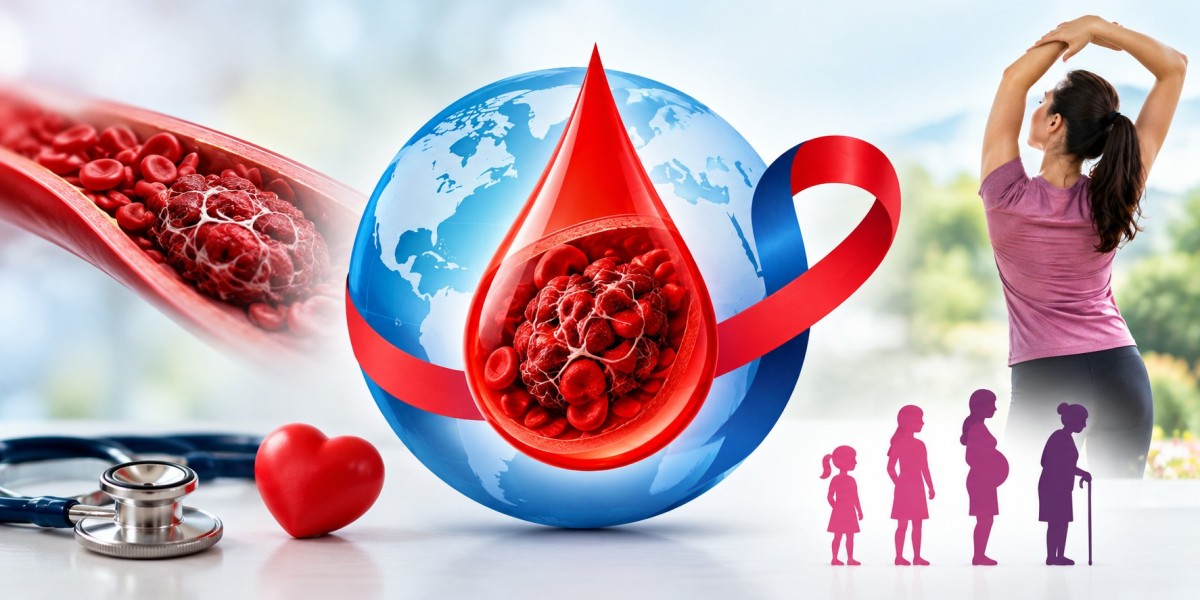
World Thrombosis Day takes place every year on October 13 to raise global awareness about thrombosis, a medical condition in which blood clots form inside blood vessels and obstruct normal blood circulation. The International Society on Thrombosis and Haemostasis (ISTH) leads this international campaign to educate people about blood clot risks, warning signs, prevention and treatment. The 2026 campaign places women’s health at the centre of its efforts and highlights how blood clot risks can change throughout a woman’s life, from adolescence and reproductive health to pregnancy, postpartum recovery and menopause. The campaign encourages individuals to understand their personal risk factors, recognize symptoms and seek timely medical attention. By bringing healthcare professionals, patients, families and communities together, World Thrombosis Day aims to reduce preventable complications and save lives. The observance also reminds people that early awareness and appropriate medical care can make a significant difference in preventing serious outcomes.
Also Read: Brazilian Model Larissa Responds to Allegations of Rahul Gandhi’s Vote Chori Connection
🩸 What Is Thrombosis and Why Does It Matter?
Thrombosis develops when a blood clot forms inside a blood vessel and restricts or blocks the flow of blood. Blood normally forms clots to stop bleeding after an injury, but clots that develop inside veins or arteries can create dangerous complications. Doctors commonly identify two major forms of venous thromboembolism: deep vein thrombosis (DVT) and pulmonary embolism (PE). DVT occurs when a clot develops in a deep vein, often in the leg, while PE develops when a clot travels to the lungs and blocks blood flow. Arterial clots can also contribute to medical emergencies such as certain heart attacks and ischemic strokes.
Thrombosis can affect people of different ages and health backgrounds. However, some individuals face a greater risk because of surgery, prolonged immobility, cancer, obesity, inherited clotting disorders, previous blood clots or certain medications. Hospital stays and long periods of limited movement can also increase the risk. Many people do not recognize these factors until they or someone close to them experiences a blood clot. World Thrombosis Day encourages people to understand these risks and discuss appropriate preventive measures with healthcare professionals. Greater awareness can help people recognize potential problems sooner and seek medical care before complications become more severe.
🌍 World Thrombosis Day 2026: Theme and Significance
The 2026 World Thrombosis Day campaign uses the theme, “From Head to Toe, Take Control: Prevent Thrombosis, Protect Your Health.” The campaign highlights the importance of understanding blood clot risks throughout life and taking appropriate steps to prevent complications. This year, organizers place particular emphasis on women’s health because hormonal changes, reproductive health conditions, pregnancy and postpartum recovery can influence the risk of developing blood clots.
The campaign also encourages healthcare professionals to discuss thrombosis risk with patients during routine consultations, hospital treatment and major life transitions. Individuals can benefit from learning about their family history, previous clotting problems, current medicines and other personal risk factors. Hospitals, medical institutions, workplaces and community organizations can support the campaign by sharing reliable health information and organizing educational activities. The initiative promotes informed conversations rather than fear and encourages people to seek professional advice when they have concerns. By making blood clot awareness a regular part of public health education, World Thrombosis Day seeks to improve prevention, encourage early diagnosis and reduce avoidable deaths and disabilities.
👩 Women’s Health and Blood Clot Risks Throughout Life
Women may experience changes in blood clot risk at different stages of life. Hormonal contraception and certain hormone therapies can increase the risk of thrombosis in some individuals. Pregnancy also changes the body’s clotting system, which helps limit excessive bleeding during childbirth but increases the likelihood of blood clots. The risk remains particularly important during the postpartum period, when the body gradually returns to its pre-pregnancy state.
According to information highlighted by the ISTH’s 2026 campaign, pregnancy increases the risk of blood clots approximately four to five times compared with not being pregnant, while the risk rises particularly during the first six weeks after childbirth. Individual risk can vary depending on medical history, inherited clotting conditions, previous blood clots, surgery and other health factors.
Women can take an active role in protecting their health by discussing these issues with qualified healthcare professionals. Before starting hormonal medication or changing an existing treatment, they should ask about its potential benefits and risks. Pregnant women and those recovering from childbirth should also understand the warning signs of thrombosis and follow their healthcare provider’s recommendations. Menopause and hormone therapy may introduce additional considerations, so women should seek advice based on their individual circumstances. The campaign encourages open conversations about women’s health to help patients and doctors recognize risks earlier and make informed decisions.
🔎 Warning Signs of Blood Clots That Everyone Should Know
Recognizing the symptoms of thrombosis can help people seek medical attention promptly. A blood clot does not always produce obvious symptoms, but certain warning signs require immediate assessment. Deep vein thrombosis often affects one leg and may cause swelling, pain, tenderness, warmth or redness. Some people experience discomfort that becomes more noticeable while standing or walking. Although these symptoms can have other causes, people should not ignore sudden or unexplained changes, particularly when they have known risk factors.
A pulmonary embolism can cause sudden shortness of breath, chest pain that may worsen with deep breathing, a rapid heartbeat, dizziness, fainting or coughing up blood. These symptoms may indicate a life-threatening emergency. Anyone who experiences possible signs of pulmonary embolism should seek emergency medical care immediately rather than waiting for symptoms to disappear.
Blood clots can also affect arteries and contribute to a heart attack or stroke. Sudden chest discomfort, difficulty breathing, facial drooping, weakness on one side of the body, or difficulty speaking requires urgent medical attention. People should not attempt to confirm or rule out thrombosis through online information alone. Healthcare professionals can assess symptoms, review medical history and recommend appropriate tests. Prompt action can help doctors diagnose the condition and begin treatment before it causes further damage.
🏥 How Doctors Diagnose and Treat Thrombosis
Doctors use several methods to determine whether a patient has a blood clot. They begin by assessing symptoms, medical history and risk factors. Depending on the suspected condition, they may recommend blood tests, ultrasound examinations or imaging procedures such as CT pulmonary angiography. A D-dimer blood test may help doctors evaluate the possibility of a clot in appropriate clinical situations, but it cannot confirm or exclude every case on its own.
After diagnosis, doctors select treatment according to the location of the clot, its severity and the patient’s overall health. Anticoagulant medicines, commonly called blood thinners, help prevent existing clots from growing and reduce the formation of new clots while the body gradually breaks down the original clot. In selected serious cases, doctors may use clot-dissolving medicines or procedures to remove the clot. Some patients also require follow-up appointments to monitor treatment, manage side effects and assess the risk of recurrence.
Patients should follow their prescribed treatment plans and avoid stopping anticoagulant medicines without medical advice. These medicines can increase bleeding risk, so healthcare professionals must consider the benefits and potential complications when prescribing them. Early diagnosis and appropriate treatment can reduce the risk of serious outcomes, including complications involving the lungs, heart and brain.
💙 Practical Steps to Help Prevent Blood Clots
People can reduce certain thrombosis risks by adopting healthy habits and following appropriate medical advice. Regular movement helps maintain circulation, especially during long journeys or extended periods of sitting. Travellers can walk when safe and practical, move their ankles and legs while seated, and follow advice about movement breaks. People who work at desks can also benefit from standing up and moving regularly.
After surgery or hospitalization, patients should follow their medical team’s instructions about walking, exercises, compression devices or preventive medication. Healthcare professionals may recommend additional measures for people with a high risk of thrombosis. Individuals should discuss their personal risk before taking aspirin or anticoagulant medicines for prevention because these treatments can cause harm when used inappropriately.
Managing long-term health conditions, maintaining a healthy lifestyle and discussing previous blood clots or a family history of clotting disorders can also help people understand their risk. Pregnant women, people recovering from childbirth and those considering hormonal treatments should ask healthcare professionals whether they need additional preventive measures. No single lifestyle change can eliminate every risk, but informed decisions and appropriate medical guidance can help prevent avoidable complications.
📢 How Communities Can Support World Thrombosis Day
World Thrombosis Day encourages people and organizations to make blood clot awareness part of everyday health conversations. Hospitals and healthcare professionals can educate patients about thrombosis risks before surgery, during hospital stays and after discharge. Schools, colleges and workplaces can share reliable information about the importance of movement, early symptom recognition and timely medical care.
Community organizations can organize awareness sessions, distribute educational materials and invite qualified healthcare professionals to explain common misconceptions about blood clots. Families can also help by learning the warning signs and encouraging relatives with concerning symptoms to seek medical attention. Women’s health services can use the campaign to promote discussions about pregnancy, postpartum recovery, contraception and hormone therapy.
The official campaign provides educational resources that supporters can share through community activities and social media. People can participate by sharing accurate information, listening to the experiences of blood clot survivors and encouraging others to discuss their health concerns with qualified professionals. These efforts can make thrombosis easier to recognize and help more people understand when they need medical care.
🌟 Conclusion: Awareness and Early Action Can Save Lives
World Thrombosis Day 2026 highlights the importance of preventing blood clots, recognizing warning signs and seeking timely medical attention. Its focus on women’s health draws attention to the changing risks associated with hormonal treatments, pregnancy, postpartum recovery and other stages of life. At the same time, the campaign reminds everyone that thrombosis can affect people of different ages and backgrounds.
Individuals can take meaningful steps by learning about their personal risk factors, staying active when appropriate, following medical advice and recognizing symptoms that require urgent attention. Healthcare professionals and community organizations also play an essential role in providing accurate information and improving access to preventive care. On October 13, World Thrombosis Day calls on people around the world to make blood clot awareness a priority. By encouraging informed decisions, early recognition and appropriate treatment, the campaign supports better health outcomes and helps save lives.
Also Read: Nine Navdurga Forms: Names, Stories and Significance of the Nine Goddesses