










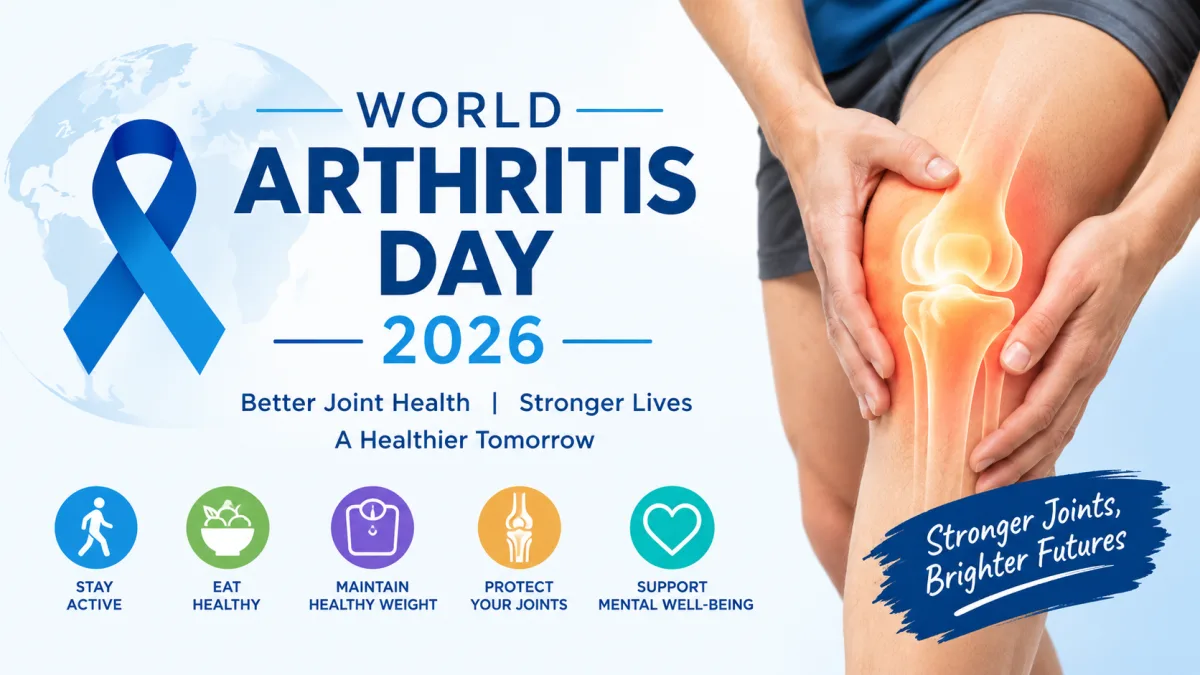
World Arthritis Day is observed every year on 12 October to raise awareness about arthritis and other rheumatic and musculoskeletal diseases. The day highlights the challenges faced by people living with joint pain, stiffness, fatigue and mobility problems while encouraging early diagnosis, appropriate treatment and better access to healthcare.
📅 When Is World Arthritis Day 2026?
- Date: Monday, 12 October 2026
- Observed: Every year on 12 October
- Purpose: To spread awareness about arthritis and related conditions
- Established: 1996
- Global campaign theme: “Achieve Your Dreams”
World Arthritis Day encourages individuals, healthcare professionals and organizations to work together to improve the lives of people affected by arthritis.
🎯 World Arthritis Day 2026 Theme
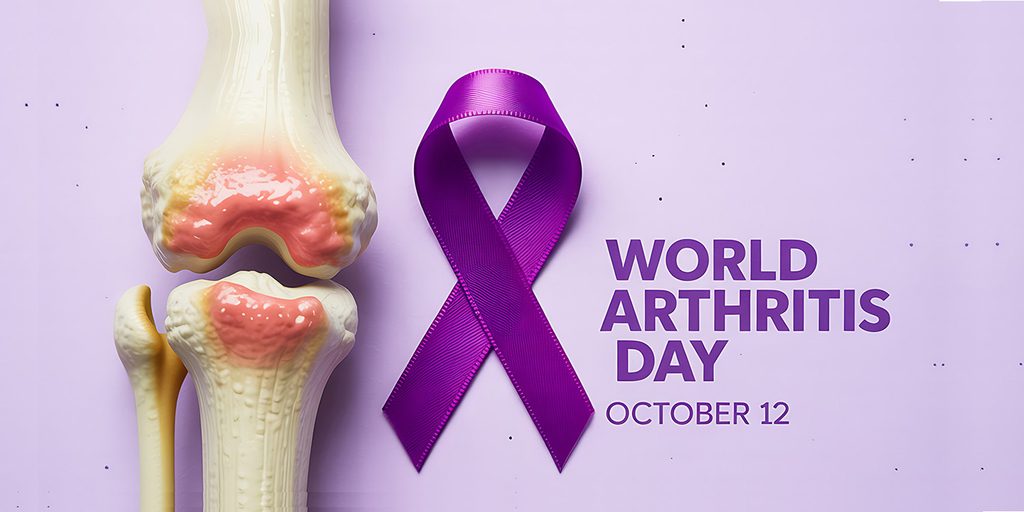
The 2026 campaign theme promoted by the European Alliance of Associations for Rheumatology (EULAR) is “Achieve Your Dreams.” It focuses on helping people living with rheumatic and musculoskeletal diseases pursue their personal goals through early diagnosis, better treatment, inclusion and support.
Another 2026 initiative, led by the Global Remission Coalition, uses the campaign message “Remission is More Than a Number.” It emphasizes person-centred care and the importance of quality of life when managing inflammatory diseases.
📖 History of World Arthritis Day
World Arthritis Day was established in 1996 by Arthritis and Rheumatism International to increase global awareness of arthritis and rheumatic diseases. It provides an opportunity for patients, families, healthcare professionals and advocacy organizations to highlight the impact of these conditions and encourage better access to diagnosis, treatment and support.
Over time, awareness campaigns have increasingly emphasized not only physical symptoms but also the emotional, social and financial challenges experienced by people living with arthritis.
🌍 Significance of World Arthritis Day
World Arthritis Day is important for several reasons:
- Early diagnosis: It encourages people to seek medical advice when persistent joint pain, swelling or stiffness occurs.
- Public awareness: It helps people understand that arthritis affects people of different ages, including children and young adults.
- Access to treatment: It highlights the need for appropriate medical care and ongoing support.
- Research and innovation: It encourages greater attention to research into treatments and disease management.
- Inclusion and support: It promotes understanding of the challenges arthritis can create at work, school and home.
- Quality of life: It reminds communities that care should consider mobility, independence, emotional well-being and everyday activities.
🔟 10 Important Facts About Arthritis
1. Arthritis includes many conditions: The term covers more than 100 conditions affecting the joints and surrounding tissues.
2. It can affect people of all ages: Some forms of arthritis occur in children, while others are more common in adults.
3. Joint pain is a common symptom: Pain, swelling, stiffness and reduced movement can occur depending on the type of arthritis.
4. Osteoarthritis is a common type: It involves changes in joint tissues and is often associated with ageing, previous injuries and other risk factors.
5. Rheumatoid arthritis is an autoimmune disease: The immune system mistakenly attacks the body’s own tissues, causing inflammation that can damage joints.
6. Morning stiffness can be a warning sign: Persistent stiffness, particularly when accompanied by swelling, may warrant medical assessment.
7. Arthritis can affect daily activities: Tasks such as walking, climbing stairs, dressing and working may become difficult for some people.
8. Exercise can be beneficial: Appropriate physical activity can help maintain joint movement, muscle strength and overall function. The right activities depend on the individual’s condition.
9. Early treatment matters: Timely diagnosis and appropriate treatment can help manage symptoms and, in some forms of arthritis, limit joint damage.
10. There is no single treatment for every type: Management varies and may include medication, physiotherapy, exercise and lifestyle adjustments, depending on the diagnosis.
🩺 How Can People Support Arthritis Awareness?
People can help spread awareness by sharing reliable health information, encouraging appropriate medical consultations, supporting arthritis research and making workplaces and public spaces more accessible.
Anyone experiencing persistent joint pain, swelling or stiffness should consult a qualified healthcare professional rather than relying on self-diagnosis. Treatment should be tailored to the specific type of arthritis and the person’s needs.

💚 Conclusion
World Arthritis Day 2026, observed on 12 October, highlights the importance of awareness, early diagnosis, appropriate treatment and support for people living with arthritis. The theme “Achieve Your Dreams” reinforces the message that people affected by these conditions deserve opportunities to pursue their goals and participate fully in everyday life.
By improving understanding and promoting access to healthcare, communities can help people with arthritis lead more active, supported and fulfilling lives.
🔎 Frequently Asked Questions (FAQs)
1. When is World Arthritis Day 2026?
World Arthritis Day is observed on 12 October every year. In 2026, it falls on Monday.
2. What is the theme of World Arthritis Day 2026?
EULAR’s 2026 campaign theme is “Achieve Your Dreams.” The Global Remission Coalition is also running a 2026 campaign titled “Remission is More Than a Number.”
3. When was World Arthritis Day established?
It was established in 1996 by Arthritis and Rheumatism International.
4. What is the main purpose of World Arthritis Day?
Its main purpose is to raise awareness about arthritis and related conditions, promote early diagnosis and encourage better treatment and support.
5. Can arthritis affect young people?
Yes. Certain types of arthritis affect children, teenagers and young adults, as well as older people.
6. Can arthritis be cured?
There is no universal cure for all forms of arthritis. However, many types can be managed with appropriate treatment, and some inflammatory conditions can achieve remission.
7. What are common symptoms of arthritis?
Common symptoms include joint pain, swelling, stiffness and reduced mobility. Symptoms vary by condition.