






Diwali, also known as Deepavali, is one of the biggest and most popular festivals in India. People celebrate this beautiful festival as the Festival of Lights because it represents the victory of good over evil and light over darkness. During Diwali, families decorate their homes, light traditional diyas, perform prayers, exchange gifts and enjoy delicious sweets.
Moreover, the festival brings families, friends and communities together. Streets, markets and homes shine with colourful lights and beautiful decorations. People wear new clothes, prepare traditional dishes and visit their loved ones. As a result, Diwali creates an atmosphere of happiness, excitement and togetherness across the country.
The festival also carries a deeper spiritual message. It encourages people to follow the path of truth, spread kindness and welcome positivity into their lives.
🪔 When Is Diwali 2026?
People across India will celebrate Diwali on Sunday, November 8, 2026. The festival falls on Amavasya, or the new moon day, during the Hindu month of Kartik.
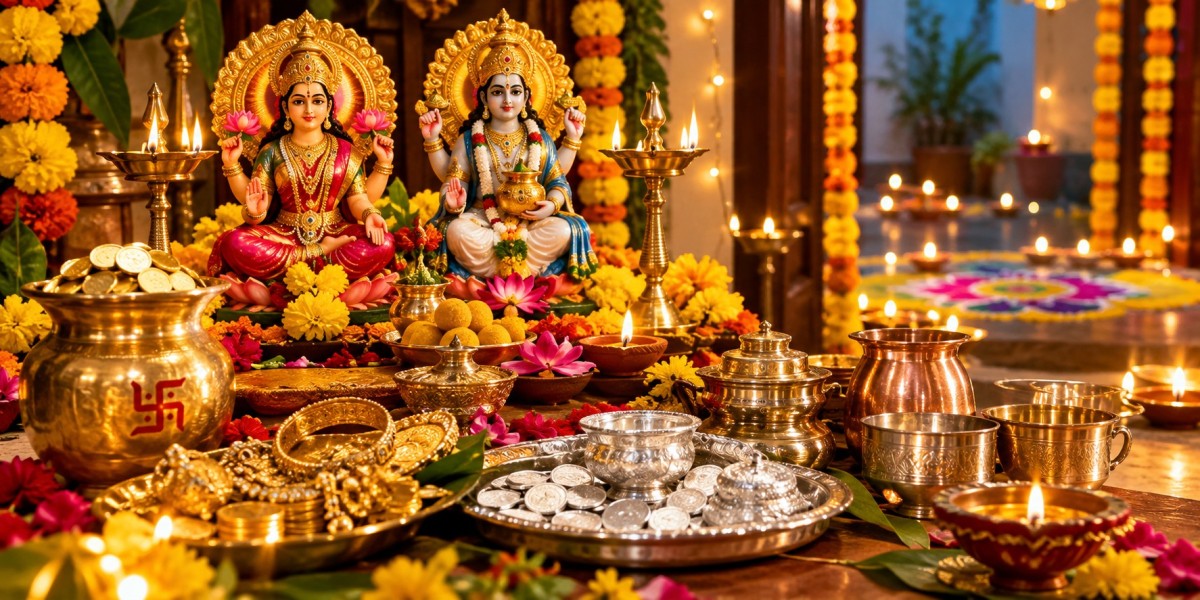
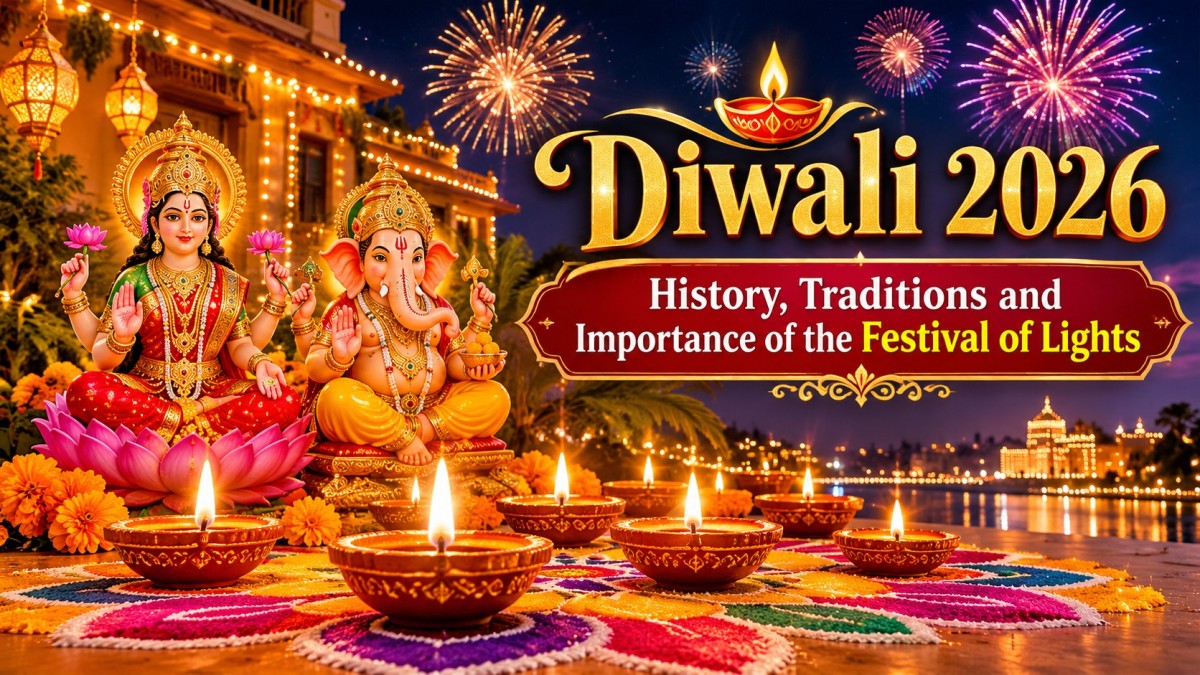
On this auspicious occasion, families perform Lakshmi Puja in the evening. Devotees worship Goddess Lakshmi and Lord Ganesha to seek blessings for wealth, happiness and success. Additionally, people clean and decorate their homes before the festival because they consider cleanliness and positive energy important parts of Diwali celebrations.
Many families also visit temples, prepare special meals and invite relatives and friends to join their celebrations.
📖 History of Diwali
Diwali has deep roots in Indian mythology, religious beliefs and cultural traditions. One of the most popular stories comes from the Hindu epic Ramayana.
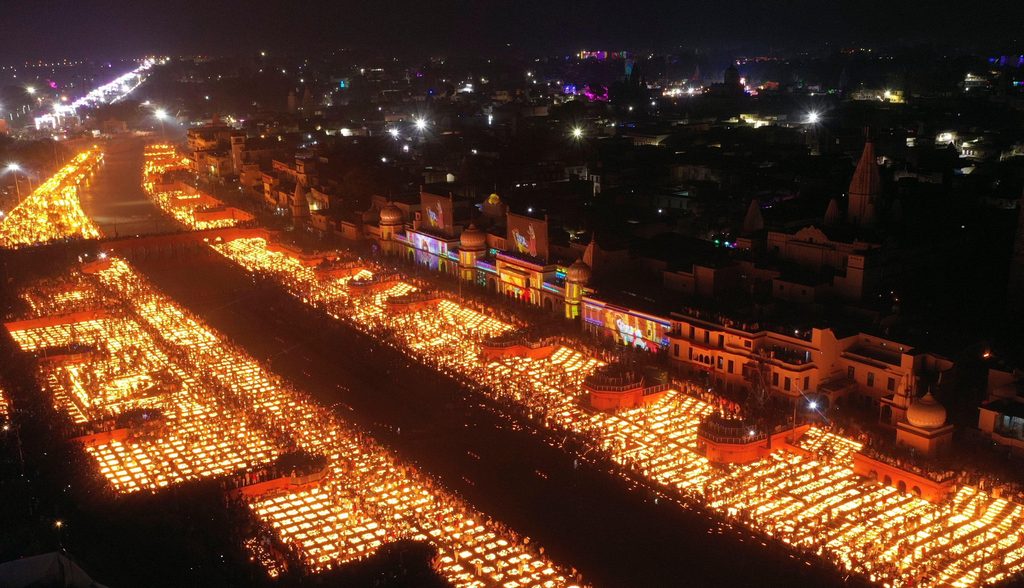
According to the Ramayana, Lord Rama returned to Ayodhya with Goddess Sita and his brother Lakshmana after spending 14 years in exile. He also defeated the demon king Ravana and rescued Sita. To welcome Lord Rama, the people of Ayodhya decorated their homes and streets with rows of oil lamps.
Therefore, people associate Diwali with the victory of good over evil. The tradition of lighting diyas represents the happiness of the people who welcomed Lord Rama after his long journey.
Another important story connects Diwali with Goddess Lakshmi, the Hindu goddess of wealth and prosperity. Devotees worship her during Diwali because they believe her blessings bring financial stability, happiness and success.
Furthermore, different Indian communities connect Diwali with other religious stories and traditions. For example, Jains celebrate Diwali as the day Lord Mahavira attained nirvana, while many Sikhs associate the occasion with Bandi Chhor Divas.
✨ Why Is Diwali Celebrated?
Diwali holds great religious and cultural importance across India. Different communities celebrate the festival for different reasons. However, the central message remains the same: spreading goodness, happiness and positivity.
- Victory of Good Over Evil: Diwali celebrates Lord Rama’s return to Ayodhya after defeating Ravana.
- Worship of Goddess Lakshmi: Devotees seek wealth, prosperity and good fortune through Lakshmi Puja.
- Symbol of Light: People light diyas to represent hope, positivity and the removal of darkness.
- New Beginnings: Many communities consider Diwali an auspicious time to start new businesses and financial activities.
- Family Togetherness: The festival encourages people to share happiness, strengthen relationships and help others.
- Spiritual Growth: Diwali reminds people to overcome negative thoughts and follow a positive path in life.
Moreover, these traditions make Diwali more than a religious occasion. They highlight the importance of kindness, generosity and harmony in everyday life.
🎉 Five Days of Diwali Celebrations
Diwali celebrations traditionally last five days. Each day carries a special religious and cultural meaning. People follow different rituals, prepare festive dishes and spend quality time with their families throughout the celebration.
1. 🛍️ Dhanteras
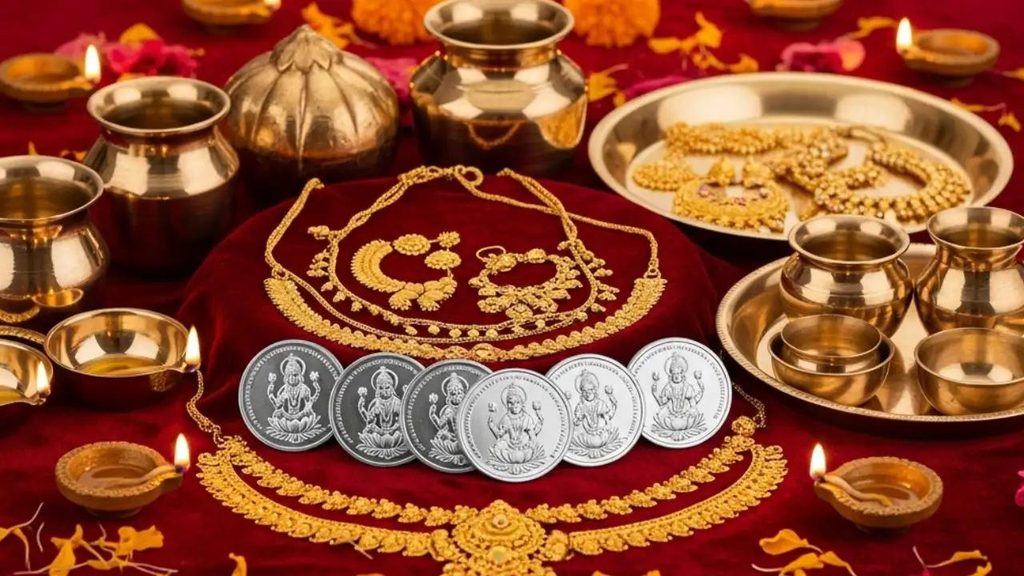
Dhanteras marks the beginning of Diwali celebrations. On this day, people buy gold, silver, jewellery, utensils and other household items. Traditionally, families believe these purchases bring good luck and prosperity.
People also worship Lord Dhanvantari, who holds an important place in Hindu traditions related to health and Ayurveda. Additionally, families clean their homes and decorate their entrances with rangoli and diyas.
2. 🪔 Naraka Chaturdashi (Chhoti Diwali)
People also call this day Chhoti Diwali. It celebrates Lord Krishna’s victory over the demon Narakasura. The story represents the victory of righteousness over evil.
On this occasion, families clean their homes, light diyas and prepare festive meals. In several parts of India, people also follow the tradition of taking an early morning oil bath before beginning their celebrations.
3. 🌟 Lakshmi Puja (Diwali)
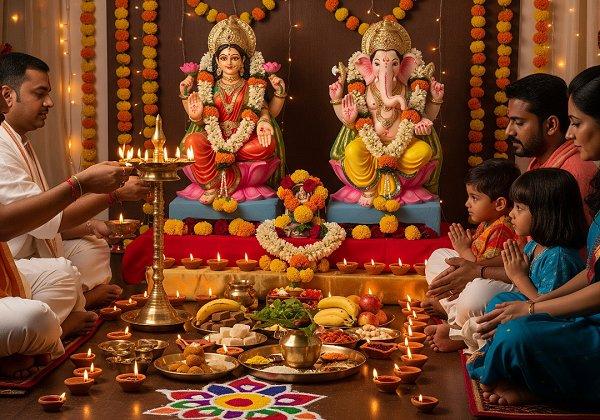
Lakshmi Puja marks the main day of Diwali. Families worship Goddess Lakshmi and Lord Ganesha in the evening to seek blessings for prosperity, wisdom and success.
Meanwhile, people decorate their homes with diyas, candles, flowers and colourful lights. Families prepare delicious sweets, exchange gifts and welcome guests. Many people also visit temples and participate in community celebrations.
4. 🌿 Govardhan Puja
Govardhan Puja celebrates Lord Krishna’s act of lifting Govardhan Hill to protect villagers from heavy rainfall. The story highlights the importance of faith, devotion and respect for nature.
On this day, devotees prepare special food offerings, worship Govardhan and share meals with family members. In many regions, people also celebrate Annakut by preparing a variety of vegetarian dishes as an offering to God.
5. ❤️ Bhai Dooj
Bhai Dooj celebrates the special relationship between brothers and sisters. Sisters pray for their brothers’ long lives, good health and happiness. In return, brothers give gifts and promise to support their sisters.
Additionally, families gather for special meals and exchange blessings. This occasion highlights the importance of love, care and strong family relationships.
🏡 Popular Diwali Traditions in India
Diwali brings several beautiful traditions that families follow every year. Although customs differ across regions, people celebrate the festival with great enthusiasm.
- Lighting Diyas: Families place traditional oil lamps around their homes, balconies and entrances. These lamps symbolise hope, happiness and positivity.
- Making Rangoli: People create colourful rangoli designs using flowers, coloured powders and natural materials to welcome guests and bring good fortune.
- Performing Lakshmi-Ganesha Puja: Devotees offer prayers to Goddess Lakshmi and Lord Ganesha to seek prosperity, wisdom and success.
- Exchanging Gifts: Friends and relatives share sweets, gifts and festive greetings to strengthen their relationships.
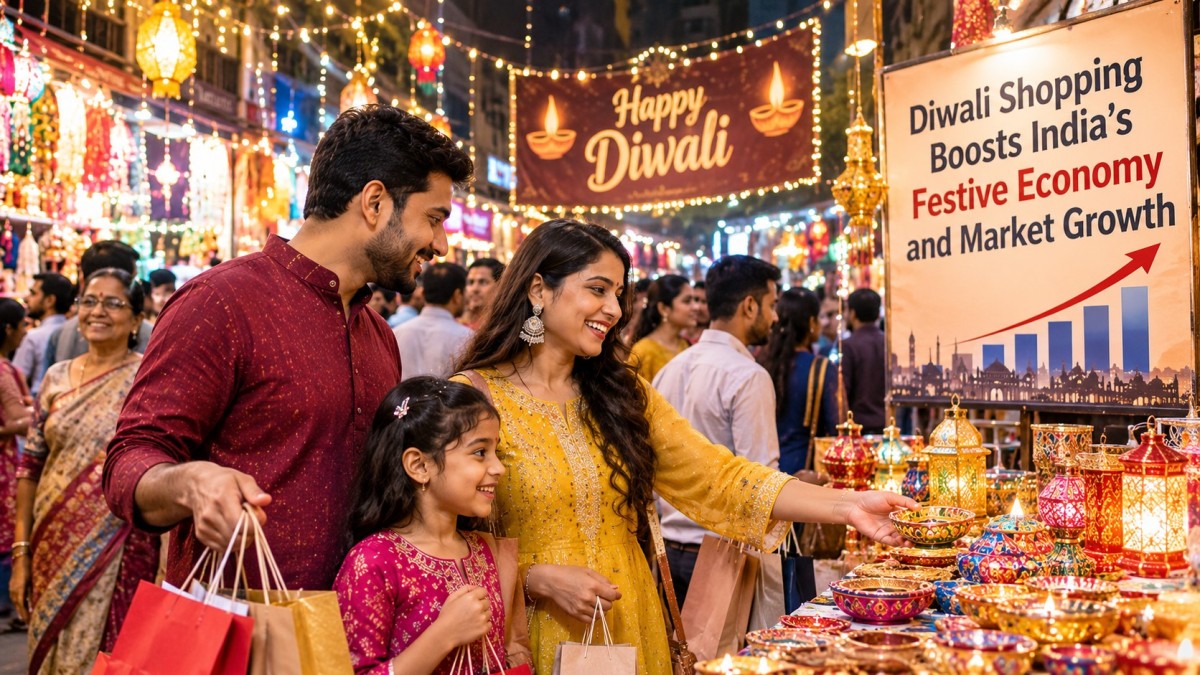
- Shopping for Diwali: Markets attract shoppers looking for new clothes, jewellery, decorations and household items. Many families also purchase gifts for their loved ones.
- Preparing Traditional Sweets: Families enjoy popular sweets such as ladoos, kaju katli, barfi, gulab jamun and rasgulla.
- Decorating Homes: People brighten their homes with flowers, lanterns, candles and decorative lights.
- Wearing New Clothes: Many families follow the tradition of wearing new and colourful outfits during Diwali prayers and celebrations.
Furthermore, these customs create wonderful memories and help younger generations understand the cultural importance of the festival.
🗺️ How Is Diwali Celebrated Across India?
India celebrates Diwali in different ways because every region has its own customs and traditions. These regional celebrations reflect the country’s religious diversity and cultural heritage.
- North India: People mainly associate Diwali with Lord Rama’s return to Ayodhya. Families light diyas, decorate their homes and perform Lakshmi Puja.
- South India: Many communities celebrate Naraka Chaturdashi with early morning oil baths, prayers and traditional meals. People also enjoy sweets and visit relatives.
- West India: Maharashtra and Gujarat celebrate Diwali with Lakshmi Puja, festive shopping, family gatherings and new beginnings. In Maharashtra, families also prepare traditional festive dishes.
- East India: West Bengal and several eastern regions celebrate Kali Puja during the Diwali period. Devotees worship Goddess Kali and decorate temples and homes with lights.
In addition, many cities organise cultural programmes, festive markets and community events. These celebrations bring people together and showcase India’s cultural diversity.
🌱 How to Celebrate an Eco-Friendly Diwali?
Diwali celebrations can sometimes increase air and noise pollution. Therefore, people should adopt environmentally friendly practices to protect nature and public health.
Here are some simple ways to celebrate a greener Diwali:
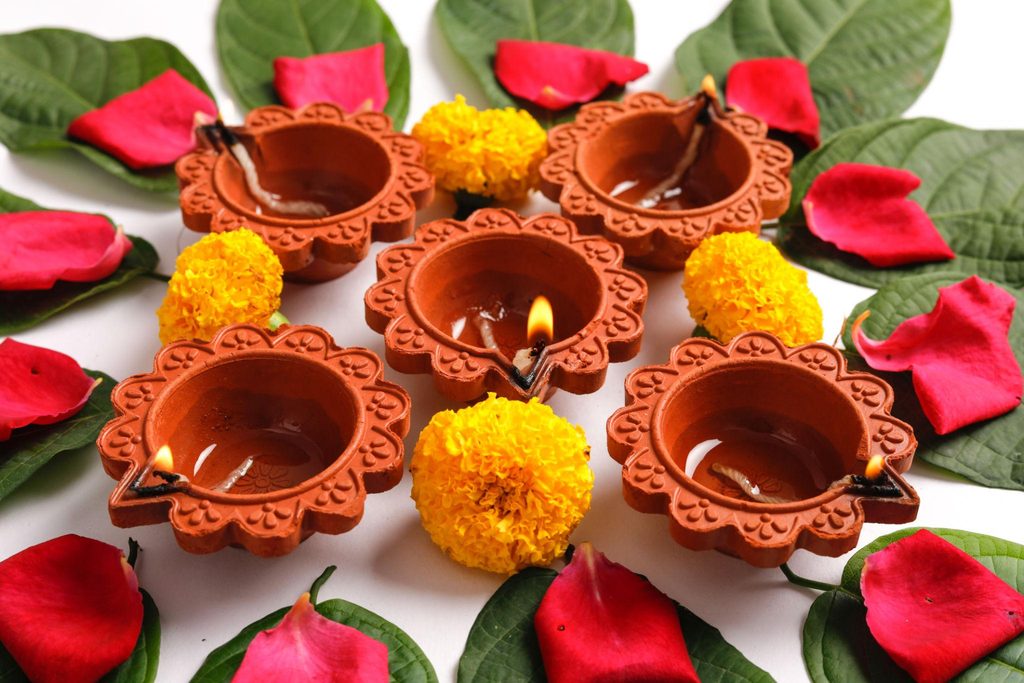
- Choose traditional clay diyas instead of excessive plastic decorations.
- Use reusable and biodegradable decorative items.
- Avoid noisy firecrackers and reduce air pollution.
- Create rangoli designs with natural colours and flower petals.
- Share sweets and gifts with underprivileged families.
- Keep public spaces and neighbourhoods clean.
- Protect pets, birds and other animals from loud noises.
- Support local artisans by purchasing handmade decorations and traditional products.
Additionally, families can encourage children to understand the importance of protecting the environment during festivals. Small changes in our celebrations can make a positive difference.
🎁 Diwali Gift Ideas for Friends and Family
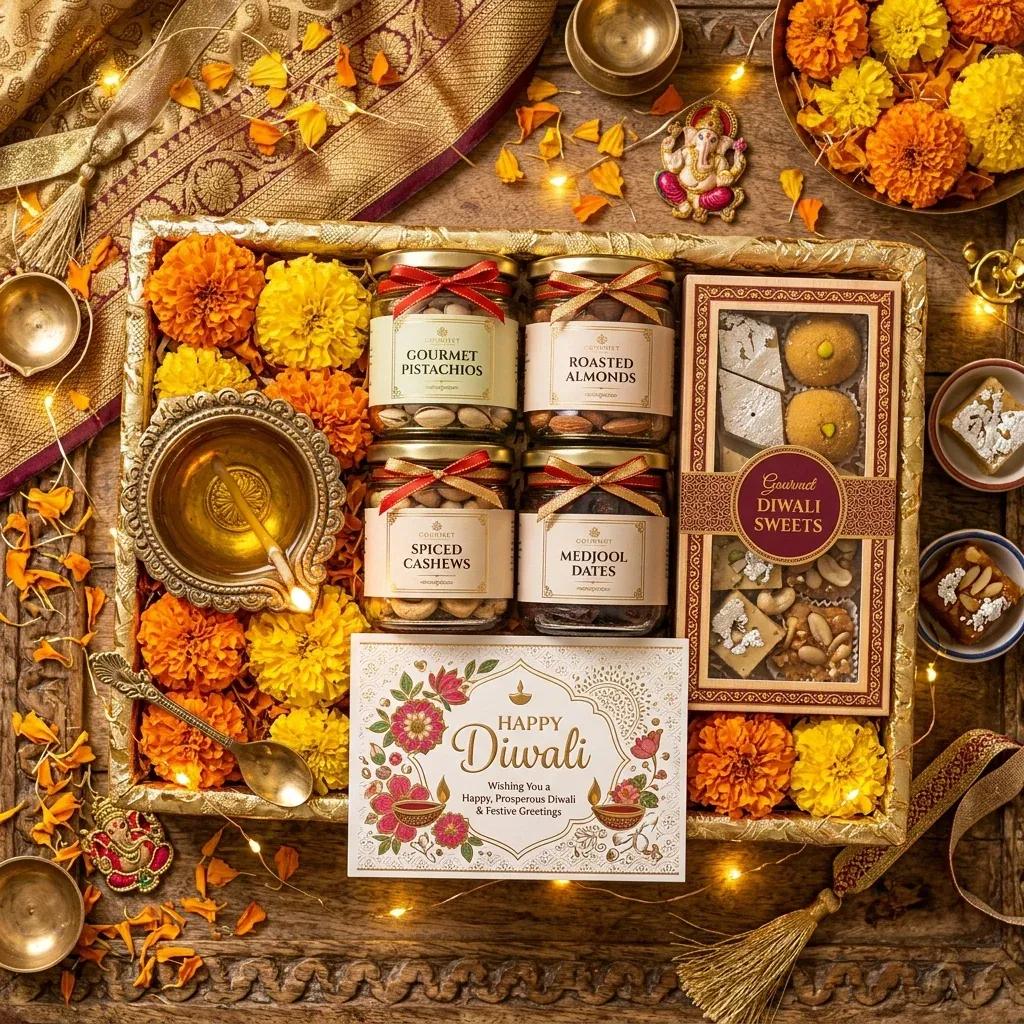
Exchanging gifts is one of the most enjoyable parts of Diwali. People use this tradition to express love, gratitude and appreciation for their friends and family members.
If you are looking for thoughtful Diwali gifts, consider these ideas:
- Traditional Sweet Hampers: Gift boxes containing ladoos, kaju katli, chocolates and other festive treats.
- Decorative Diyas: Beautiful handmade clay lamps and decorative candles.
- Home Decor Items: Lanterns, wall hangings, flower arrangements and decorative lights.
- Clothing and Accessories: Traditional outfits, scarves, handbags and jewellery.
- Personalised Gifts: Photo frames, customised mugs and special greeting cards.
- Eco-Friendly Gifts: Reusable products, indoor plants and handmade decorative items.
Moreover, a thoughtful gift does not need to be expensive. Even a small present can make someone feel special during the festive season.
🙏 Importance of Diwali in Indian Culture
Diwali represents much more than a religious celebration. It promotes hope, kindness, unity, happiness and prosperity.
Moreover, the festival gives families an opportunity to reconnect with relatives and friends. People also support local businesses by purchasing traditional clothes, sweets, decorations and gifts. Consequently, Diwali creates important opportunities for small businesses, local markets and artisans.
The festival also teaches valuable lessons about generosity, forgiveness and positive thinking. Many people use this occasion to settle old differences, help those in need and begin a new chapter in their lives.
Most importantly, Diwali reminds everyone that goodness, knowledge and positivity can overcome negativity and darkness.
🎆 Conclusion
Diwali remains one of India’s most loved festivals because it combines religious beliefs, cultural traditions and family celebrations. From lighting diyas and performing Lakshmi Puja to exchanging gifts and enjoying sweets, every tradition carries a special meaning.
As people celebrate Diwali 2026, they can also spread kindness, support their communities and adopt eco-friendly practices. Furthermore, the festival offers an opportunity to reconnect with loved ones and appreciate the happiness that comes from sharing.
Ultimately, the Festival of Lights delivers a timeless message of hope, peace, prosperity and the victory of good over evil.
Happy Diwali 2026! May this Festival of Lights bring happiness, good health, peace and prosperity to everyone.