





A Record-Breaking Heat Trend
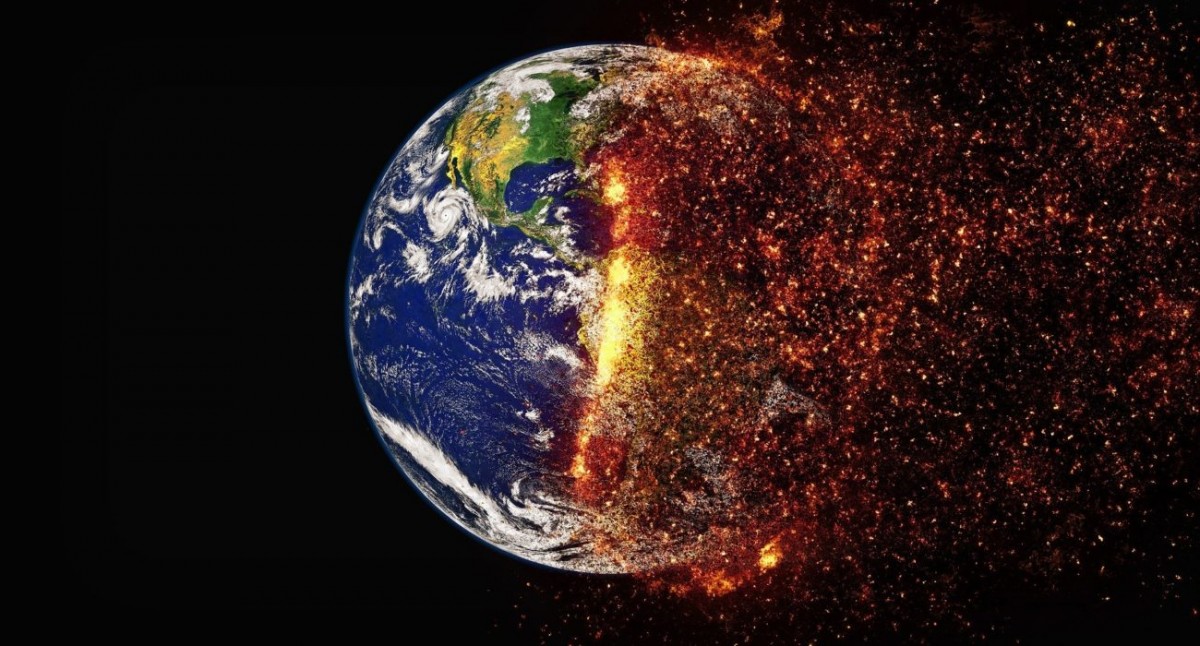
Scientists have confirmed that the Earth has experienced its 11 hottest years on record, marking a clear and consistent rise in global temperatures. Climate researchers have analyzed decades of temperature data and found that recent years have repeatedly broken previous records. This pattern shows that global warming is not a short-term fluctuation but a long-term trend that continues to accelerate.
Also Read: Brazilian Model Larissa Responds to Allegations of Rahul Gandhi’s Vote Chori Connection
Human Activities Accelerate Warming
Human activities have driven much of this temperature increase. Industries, transportation systems, and power generation continue to burn fossil fuels such as coal, oil, and natural gas. These processes release greenhouse gases like carbon dioxide and methane into the atmosphere. As these gases accumulate, they trap heat and prevent it from escaping into space. Scientists have linked this growing concentration of greenhouse gases directly to rising global temperatures and climate instability.
Climate Systems Show Signs of Imbalance
Rising temperatures have started to disrupt the Earth’s natural systems. Weather patterns have become less predictable, and seasonal cycles have begun to shift. Some regions now experience longer summers and shorter winters, while others face irregular rainfall. Scientists observe that these disruptions affect agriculture, water availability, and ecosystems, making it harder for both humans and wildlife to adapt.
Extreme Weather Becomes More Frequent
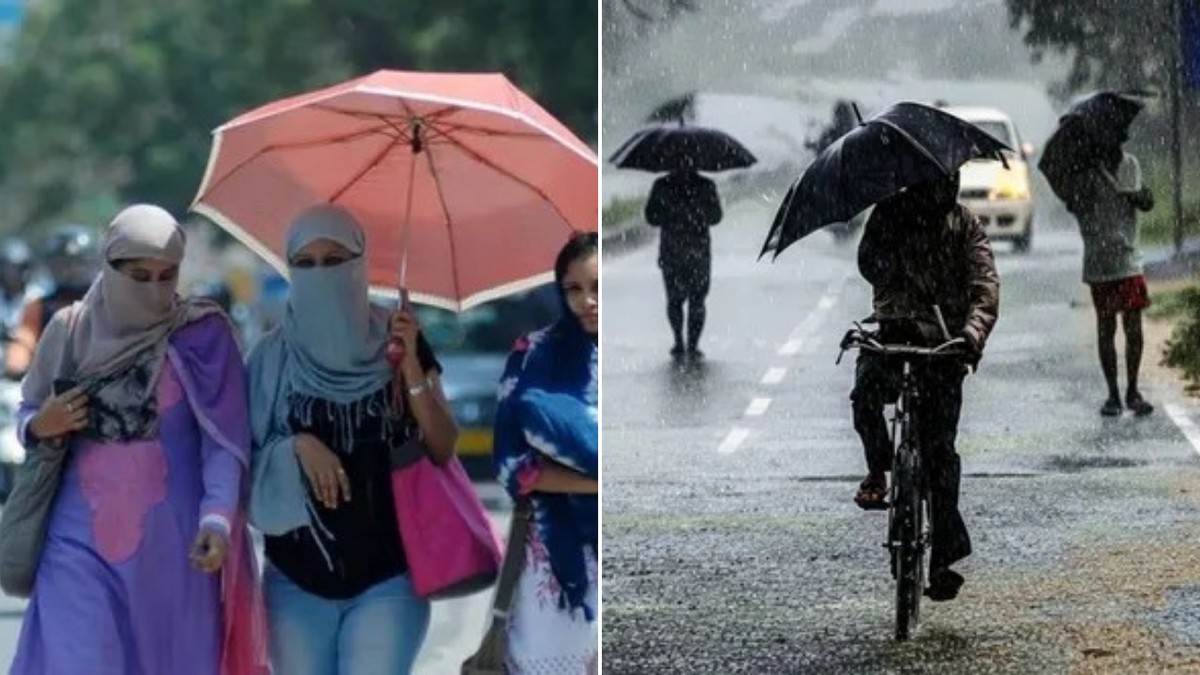
Climate change has increased the frequency and intensity of extreme weather events. Many countries have faced stronger heatwaves, heavier rainfall, and prolonged droughts. Floods have damaged cities and displaced communities, while wildfires have spread rapidly due to hotter and drier conditions. Scientists warn that these extreme events will continue to intensify if global temperatures keep rising.
Oceans and Ice Regions Under Pressure
The Earth’s oceans have absorbed a large portion of the excess heat, leading to rising sea temperatures. This warming has caused widespread coral bleaching and has disrupted marine ecosystems. At the same time, glaciers and polar ice caps have melted at faster rates, contributing to rising sea levels. Coastal areas now face increased risks of flooding and erosion, threatening millions of people worldwide.
Biodiversity Faces Growing Threats
Plants and animals have struggled to cope with rapid environmental changes. Many species have lost their natural habitats due to rising temperatures and changing ecosystems. Some have migrated to cooler regions, while others face extinction. Scientists stress that biodiversity loss weakens ecosystems and reduces their ability to support life on Earth.
Global Response and Solutions
Governments and organizations have started to take steps to address climate change. Many countries have invested in renewable energy sources such as solar and wind power. Others have introduced policies to reduce emissions and promote sustainability. Scientists encourage stronger international cooperation and faster implementation of climate solutions to limit further damage.
Conclusion
Scientists have made it clear that the Earth is becoming increasingly unstable after 11 record-hot years. Human activities have driven this change, and its impacts are already visible across the planet. However, people still have the power to act. By reducing emissions, protecting natural resources, and adopting sustainable practices, humanity can slow climate change and work toward restoring balance to the Earth’s systems.
Also Read: NCERT apologises to Supreme Court withdraws Class 8 textbook after controversy