










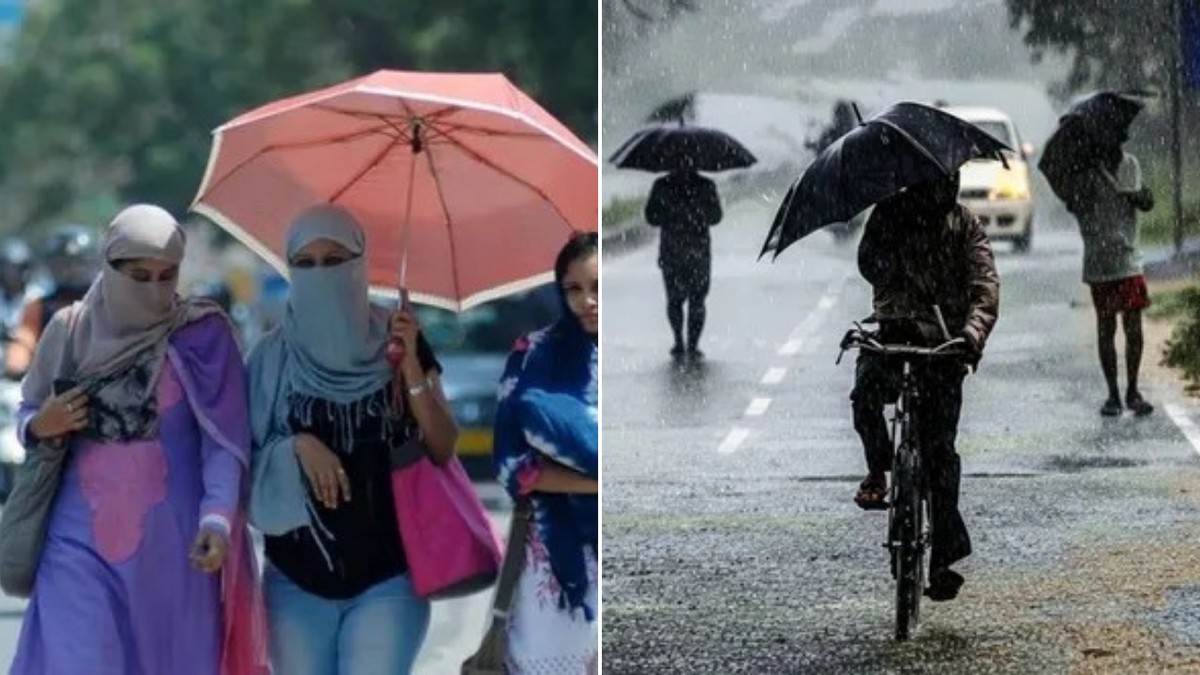
India Faces Intense Heatwave Conditions
India is currently experiencing severe heatwave conditions across several regions. States such as Rajasthan, Madhya Pradesh, and parts of Maharashtra are recording extremely high temperatures, often crossing 42°C to 45°C. The India Meteorological Department (IMD) has issued multiple alerts, warning citizens about the dangers of prolonged exposure to extreme heat.
The rising temperatures are affecting daily life significantly. People are struggling to cope with the scorching sun, especially during afternoon hours. Roads appear deserted in many cities as individuals prefer to stay indoors.
Also Read : World Design Day 2026: Celebrating Creativity, Innovation, and Impact
Key impacts of the heatwave:
- Increased cases of heatstroke and dehydration
- Higher electricity consumption due to cooling appliances
- Water shortages in several urban and rural areas
Authorities are actively encouraging people to remain cautious and adopt preventive measures.
Citizens Take Preventive Measures Against Heat
People across affected regions are actively taking steps to protect themselves from extreme heat. Public awareness campaigns are helping individuals understand the importance of safety during heatwaves.
Common safety measures include:
- Drinking plenty of water to stay hydrated
- Wearing light-colored, loose cotton clothes
- Avoiding outdoor activities during peak hours (12 PM – 4 PM)
- Using umbrellas, caps, and sunglasses
Local administrations are also setting up water distribution points and medical camps to assist vulnerable populations such as laborers and the elderly.
Storms and Rainfall Hit Northern and Eastern India
While western and central India battle intense heat, northern and eastern regions are witnessing thunderstorms, rainfall, and gusty winds. Areas like Delhi, Uttar Pradesh, Bihar, and parts of West Bengal have experienced sudden weather changes.
Dark clouds, lightning, and strong winds have brought temporary relief from rising temperatures. The rainfall has helped cool down the atmosphere and improve air quality.
Effects of storms and rainfall:
- Sudden drop in temperature
- Improved air quality in polluted cities
- Temporary relief from heatwave conditions
However, these weather changes are not entirely beneficial.
⚡ Storms Cause Disruptions and Damage
The storms have also created several challenges for residents. Strong winds and lightning have led to disruptions in daily life.
Major disruptions include:
- Traffic congestion due to waterlogging
- Power outages caused by falling trees and damaged lines
- Delays in flights and train services
In some areas, local authorities have issued warnings to avoid stepping out during severe thunderstorms.
Meteorological Factors Behind Mixed Weather
Meteorologists explain that India is experiencing this mixed weather pattern due to a combination of atmospheric factors. The interaction of different climatic systems is causing extreme variations across regions.
Key reasons include:
- Active western disturbances bringing rain to northern India
- Moisture inflow from the Arabian Sea and Bay of Bengal
- Seasonal transition towards the pre-monsoon period
These factors are working together to create a situation where heatwaves and storms occur simultaneously in different parts of the country.
Impact on Agriculture and Economy
The contrasting weather conditions are affecting agriculture and economic activities. Farmers are facing uncertainty due to unpredictable weather patterns.
Key impacts:
- Damage to crops due to strong winds and sudden rain
- Reduced productivity in heat-affected regions
- Increased irrigation demand due to high temperatures
Markets and supply chains are also experiencing disruptions due to transportation delays.
Government and Public Response
The government and local authorities are actively responding to the situation by issuing advisories and implementing safety measures.
Steps taken by authorities:
- Issuing weather alerts through the IMD
- Preparing emergency services for storm-related incidents
- Advising schools and offices to adjust working hours
Citizens are also cooperating by following guidelines and staying informed through official updates.
⚠️ Safety Guidelines for the Public
People should remain alert and take necessary precautions to stay safe during extreme weather conditions.
Safety tips:
- Stay indoors during heatwaves and storms
- Avoid using electronic devices during lightning
- Keep emergency supplies ready
- Follow official weather updates regularly
Preparedness can significantly reduce the risks associated with extreme weather.
📝 Conclusion
India is currently experiencing a dynamic and contrasting weather pattern, with intense heatwaves affecting some regions while storms bring relief and disruption to others. These conditions highlight the changing nature of climate and seasonal transitions. By staying informed, following safety measures, and adapting to these conditions, people can effectively manage the challenges posed by this unpredictable weather.
Also Read: Brazilian Model Larissa Responds to Allegations of Rahul Gandhi’s Vote Chori Connection