








India Celebrates Vishu, Marking the Malayalam New Year
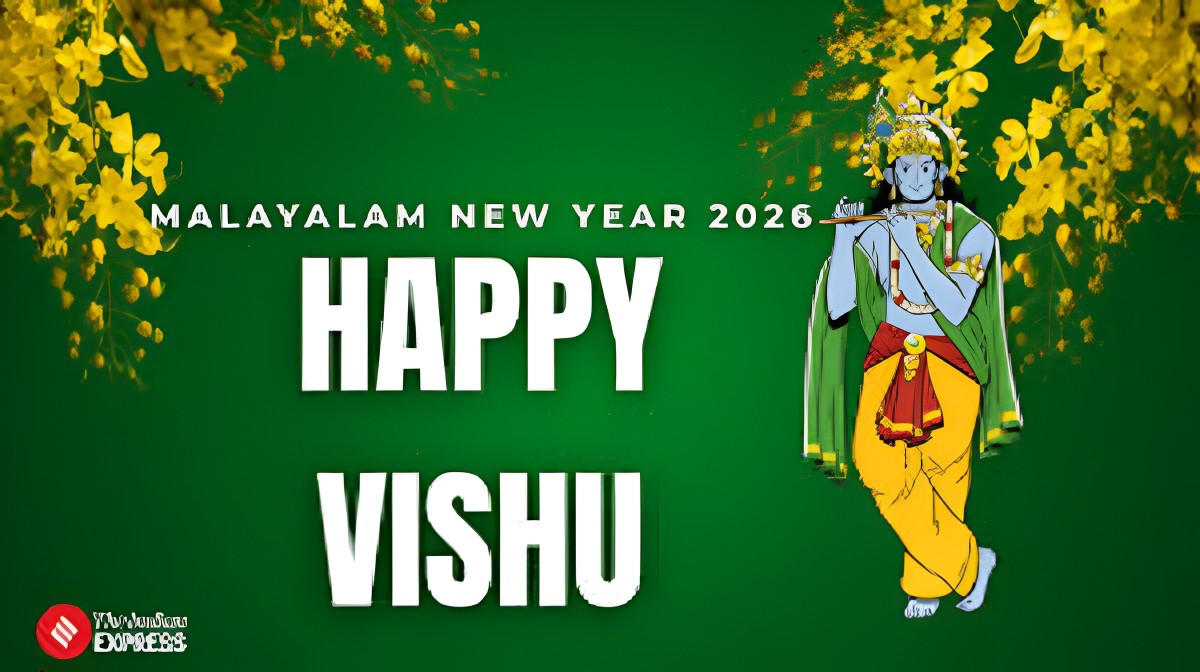
India celebrates Vishu with great enthusiasm today, especially in the southern state of Kerala, where people welcome the Malayalam New Year with devotion, joy, and cultural pride. Families across the region actively participate in time-honoured traditions that symbolize prosperity, renewal, and hope for the year ahead.
Also Read: Brazilian Model Larissa Responds to Allegations of Rahul Gandhi’s Vote Chori Connection
Significance of Vishu
People recognize Vishu as one of the most important festivals in Kerala. The day marks the beginning of a new year in the Malayalam calendar and represents a fresh start filled with positive energy. Communities believe that the first sight on Vishu morning, known as “Vishukkani,” sets the tone for the entire year. Because of this belief, families carefully arrange auspicious items to ensure a fortunate beginning.
Vishu also carries spiritual importance. Devotees visit temples early in the morning to seek blessings and express gratitude for past successes while praying for future prosperity. The festival encourages people to reflect on their lives and move forward with optimism and determination.
Preparations Before the Festival
Families begin preparing for Vishu several days in advance. Women and elders clean and decorate their homes, creating a welcoming and sacred environment. They collect essential items such as rice, fruits, vegetables, flowers, coins, and traditional lamps required for the Vishukkani arrangement.
Markets across Kerala become lively as people shop for new clothes, fresh produce, and festive decorations. Vendors sell seasonal fruits like mangoes and jackfruits, along with the yellow “Konna” flowers, which hold special importance during Vishu celebrations.
Rituals and Customs
People actively follow a series of rituals that define the essence of Vishu:
Vishukkani Arrangement
Elders in the family prepare the Vishukkani the night before the festival. They arrange items such as rice, fruits, vegetables, gold ornaments, coins, a mirror, and sacred texts in front of an image or idol of Lord Krishna. They light a traditional lamp to complete the setup, creating a divine and auspicious display.
Early Morning Viewing
On Vishu morning, elders wake up early and gently guide younger family members, often with their eyes closed, to the Vishukkani. Each person views the arrangement as their first sight of the day, believing it will bring prosperity and good luck.
Vishu Kaineettam
Elders distribute money, known as “Vishu Kaineettam,” to children and younger relatives. This gesture symbolizes blessings, generosity, and the sharing of wealth and happiness within the family.
Temple Visits and Fireworks
Devotees visit temples to offer prayers and seek blessings. Many communities also celebrate with fireworks, adding excitement and festive spirit to the occasion.
Festive Food and Celebrations
Families prepare a grand feast known as “Vishu Sadya,” which includes a variety of traditional vegetarian dishes served on banana leaves. People cook dishes such as sambar, avial, thoran, and payasam, creating a rich and flavourful meal.
Family members gather together to enjoy the feast, strengthening bonds and celebrating unity. Children wear new clothes, and homes fill with joy, laughter, and a sense of togetherness.
Celebrations Beyond Kerala
Although Vishu primarily belongs to Kerala, Malayali communities across India and abroad celebrate the festival with equal enthusiasm. People living in cities and other countries recreate traditions, organize cultural events, and maintain their connection to their roots.
Cultural and Social Importance
Vishu plays a vital role in preserving the cultural heritage of Kerala. It teaches values such as gratitude, sharing, and respect for traditions. The festival brings families and communities together, strengthening social bonds and promoting harmony.
It also inspires people to start the year with positivity and determination. By focusing on prosperity and well-being, Vishu encourages individuals to set goals and work towards a better future.
Conclusion
Vishu stands as a powerful symbol of renewal, hope, and prosperity. Through its meaningful rituals, vibrant celebrations, and strong cultural roots, the festival inspires people to embrace the New Year with optimism and unity. As families come together to celebrate Vishu, they not only honour tradition but also look forward to a brighter and more prosperous future.
Also Read: NCERT apologises to Supreme Court withdraws Class 8 textbook after controversy