











Sikhism is a major world religion with a rich history, distinctive traditions, and a strong emphasis on equality, honest living, and helping others. Founded in the Punjab region more than 500 years ago, the faith has grown into a global community with millions of followers.
From the Five Ks to the tradition of Langar, Sikhism has many practices that reflect its core values. Here are 10 interesting facts about Sikhism that you may not know.
🕰️ 1. Sikhism Began More Than 500 Years Ago
Sikhism originated in the Punjab region of the Indian subcontinent during the late 15th century. Guru Nanak, born in 1469, is regarded as the founder and first Sikh Guru.
His teachings emphasized devotion to one God, equality among people, honest work, and helping others.
☝️ 2. Sikhism Teaches Belief in One God
Sikhism is a monotheistic faith centered on belief in one supreme God. The concept is expressed through Ik Onkar, a fundamental Sikh teaching meaning that there is one divine reality.
Sikhs may also use the name Waheguru when referring to God.
📖 3. There Are Ten Human Sikh Gurus
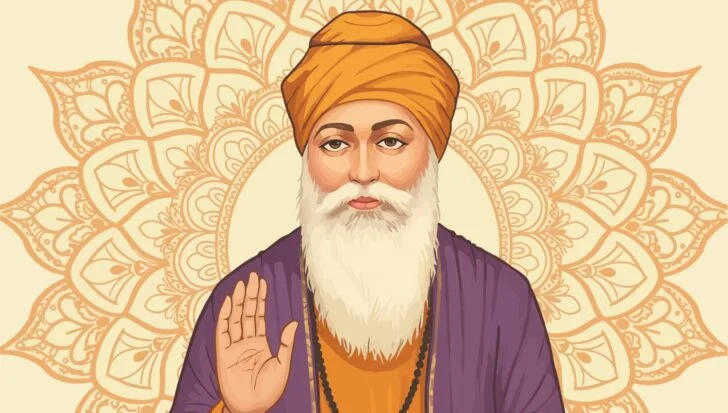
Sikh tradition recognizes ten human Gurus, beginning with Guru Nanak and ending with Guru Gobind Singh. Each Guru contributed to the development of Sikh teachings and the Sikh community.
After Guru Gobind Singh, the Guru Granth Sahib was established as the eternal Guru of the Sikhs.
🪯 4. The Five Ks Are Important Sikh Articles of Faith

Initiated Sikhs belonging to the Khalsa traditionally maintain five articles of faith, commonly called the Five Ks.
They are Kesh (uncut hair), Kangha (comb), Kara (steel or iron bracelet), Kachhera (special undergarment), and Kirpan (ceremonial sword). Each represents particular Sikh values such as discipline, spirituality, responsibility, and standing up against injustice.
⚖️ 5. Sikhism Rejects Caste-Based Inequality
Equality is a central principle of Sikh teachings. Sikhism teaches that people should not be considered superior or inferior because of their birth, caste, gender, or social position.
The names Singh and Kaur, traditionally associated with Sikh men and women respectively, were promoted to challenge caste distinctions and emphasize equality.
🍲 6. Gurdwaras Often Serve Free Meals to Everyone
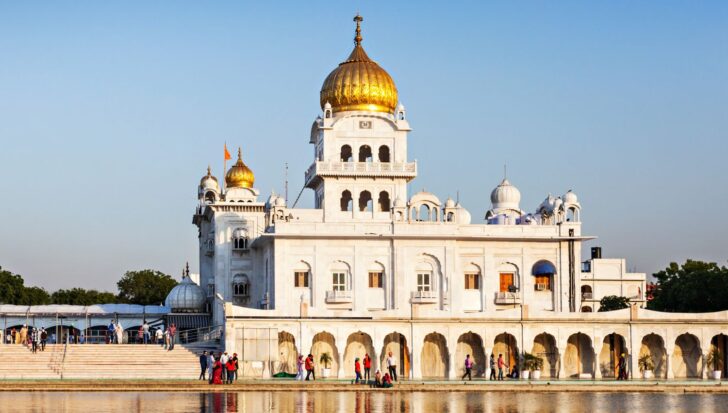
A Gurdwara is a Sikh place of worship and community gathering. One of its most recognizable features is Langar, a community kitchen that provides free vegetarian meals.
Everyone is welcome to participate, regardless of religion, caste, gender, wealth, or social background. Volunteers prepare, serve, and clean up after the meals as an expression of Seva, or selfless service.
💰 7. Dasvandh Encourages Sharing With Others
Dasvandh is a Sikh practice involving the contribution of a portion—traditionally one-tenth—of one’s earnings toward charitable and community purposes.
Contributions may support Gurdwaras, Langar, education, disaster relief, or people facing financial difficulties.
🤝 8. Seva Is a Major Part of Sikh Life
Seva means selfless service and is an important Sikh principle. It encourages people to help others without expecting personal reward.
Seva can take many forms, including preparing food at a Langar, helping at a Gurdwara, supporting disaster-relief efforts, donating blood, or assisting people in need.
🌎 9. Sikhism Has a Large Global Community
Although Sikhism originated in Punjab, Sikh communities now live across the world. Significant Sikh populations can be found in countries including India, Canada, the United Kingdom, the United States, Australia, Malaysia, and Singapore.
The majority of the world’s Sikh population continues to live in India, particularly in Punjab.
🛕 10. The Golden Temple Is One of Sikhism’s Most Important Sites

The Golden Temple, also known as Sri Harmandir Sahib, is located in Amritsar, Punjab. It is one of the most important pilgrimage sites in Sikhism and attracts visitors from around the world.
Its Langar is famous for serving large numbers of people every day, reflecting the Sikh ideals of equality, hospitality, and service.
🌟 Why Sikhism Is Important to Learn About
Sikhism has developed a distinctive religious and cultural identity while remaining deeply connected to principles that emphasize compassion, equality, courage, honest work, and service.
Practices such as Langar, Seva, and Dasvandh demonstrate how Sikh teachings extend beyond personal faith into community life. Today, Sikh communities around the world continue to preserve these traditions while contributing to the societies in which they live.