







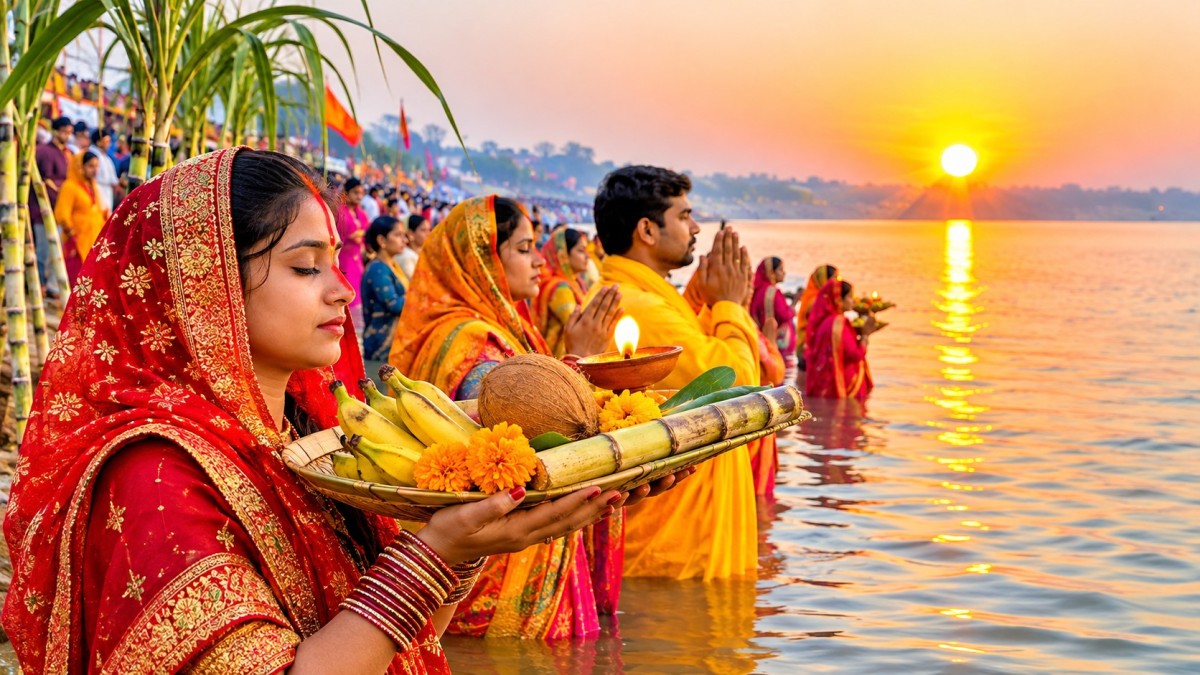
Chhath Puja stands among India’s most spiritually significant festivals. Devotees worship the Sun God, Surya Dev, and Chhathi Maiya during this sacred celebration. The festival expresses gratitude for nature, life, health, prosperity and family happiness. Millions of devotees observe Chhath with extraordinary discipline, devotion and purity. The festival holds special importance in Bihar, Jharkhand, eastern Uttar Pradesh and several other regions of India. Families also celebrate Chhath across Nepal and other countries where Indian communities preserve their traditions. Chhath Puja combines ancient religious beliefs with environmental awareness and community participation. Its rituals encourage devotees to respect natural resources and appreciate the Sun’s contribution to life. In 2026, Chhath Mahaparv will begin on November 13 and conclude on November 16. The four-day celebration will bring devotees together at rivers, ponds and designated worship areas.
Also Read: Brazilian Model Larissa Responds to Allegations of Rahul Gandhi’s Vote Chori Connection
📅 Chhath Puja 2026: Dates and Four-Day Festival Calendar
Chhath Puja follows the Hindu lunar calendar during Kartik Shukla Paksha. Devotees observe the festival over four days, beginning with Nahay Khay and concluding with Usha Arghya and Parana. Each day carries a distinct spiritual meaning and a specific set of rituals.
| Day | Date | Ritual |
|---|---|---|
| Day 1 | Friday, November 13 | Nahay Khay |
| Day 2 | Saturday, November 14 | Lohanda and Kharna |
| Day 3 | Sunday, November 15 | Sandhya Arghya |
| Day 4 | Monday, November 16 | Usha Arghya and Parana |
The third day features evening prayers to the setting Sun, while devotees welcome the rising Sun on the fourth day. Local sunrise and sunset timings determine the exact offering moments.
📜 History of Chhath Puja: Ancient Traditions and Mythological Roots
Chhath Puja traces its origins to ancient Hindu traditions and Vedic reverence for the Sun. Hindu scriptures recognise Surya Dev as a powerful symbol of energy, vitality, health and prosperity. Ancient communities worshipped the Sun because sunlight supported agriculture, natural cycles and human survival. Over generations, these practices developed into the distinctive rituals of Chhath Mahaparv.
☀️ Chhath Puja and the Ramayana Tradition
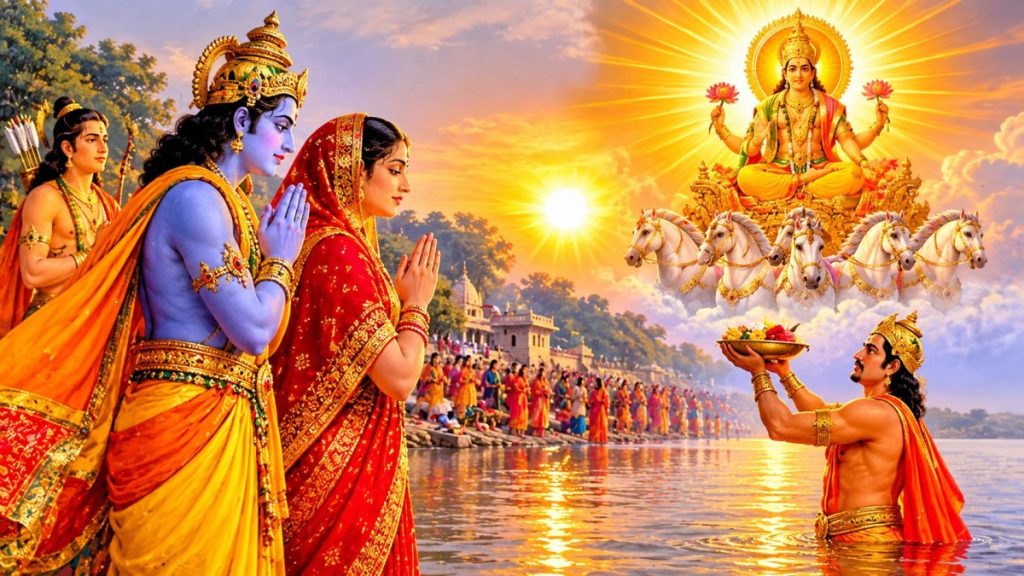
Popular Hindu traditions connect Chhath Puja with the Ramayana. According to a widely narrated belief, Lord Rama and Goddess Sita performed Surya worship after returning to Ayodhya following their exile. Their worship symbolised gratitude, purification and devotion to the divine.
🏹 Chhath Puja and the Mahabharata Tradition
Another popular legend associates Chhath with Karna, the son of Surya Dev in the Mahabharata. Tradition describes Karna as a devoted worshipper of the Sun who offered prayers while standing in water. His devotion and discipline inspire many devotees who observe Chhath today.
🌺 Worship of Chhathi Maiya
Devotees also worship Chhathi Maiya, whom religious traditions associate with the protection of children and family well-being. Many families seek her blessings for children’s health, longevity, happiness and prosperity. These mythological traditions strengthen the festival’s emotional and spiritual connection across generations.
🙏 Chhath Puja Rituals: Four Days of Faith, Fasting and Worship
Chhath Puja follows four distinct stages that guide devotees through purification, fasting, prayer and gratitude. Every ritual reflects discipline, spiritual commitment and respect for nature.
🪔 Day 1: Nahay Khay – Purification and Preparation
Devotees begin Chhath Puja with Nahay Khay on November 13. They clean their homes, worship areas and kitchens before preparing traditional vegetarian food. Many devotees take a holy bath in rivers or other water bodies. They prepare Kaddu Bhaat, which combines bottle gourd curry, rice and chana dal. Families follow strict cleanliness while preparing the sacred meal. The first day establishes purity and prepares devotees for the upcoming fasting rituals.
🍯 Day 2: Lohanda and Kharna – Beginning the Sacred Fast
Devotees observe Lohanda and Kharna on November 14. They maintain a day-long fast and avoid food until evening. After sunset, they worship and prepare traditional prasad, including jaggery kheer, roti and fruits. Devotees distribute the sacred offerings among family members and relatives. They then begin a rigorous fast that continues through the evening prayers and the following morning. This ritual represents self-control, dedication and spiritual discipline.
🌅 Day 3: Sandhya Arghya – Worship of the Setting Sun
Devotees celebrate the main Chhath Puja on November 15. Families prepare bamboo baskets called soop and daura with fruits, thekua, sugarcane, coconuts and other offerings. They gather at riverbanks, ponds and designated Chhath ghats during the evening. Devotees stand in water and offer Arghya to the setting Sun. They pray for health, prosperity, family happiness and children’s well-being. Folk songs, traditional decorations and community gatherings create a deeply spiritual atmosphere.
🌄 Day 4: Usha Arghya – Worship of the Rising Sun
The final day begins before sunrise on November 16. Devotees return to the ghats and prepare offerings for the rising Sun. They stand in water and offer Arghya while welcoming the first rays of sunlight. This ritual symbolises hope, renewal, positivity and gratitude. After completing the prayers, devotees break their fast through Parana and distribute prasad among relatives, neighbours and friends. Usha Arghya completes the four-day festival and brings families together in celebration.
🌞 Significance of Chhath Puja: Gratitude to the Sun God
Chhath Puja holds profound religious, cultural and spiritual significance. Devotees worship Surya Dev as the source of light, energy, warmth and life. They express gratitude for the natural resources that sustain humanity and support the Earth’s ecosystem.
🌿 Spiritual Significance
Chhath Puja encourages devotees to practise patience, self-discipline, purity and dedication. The rigorous fasting strengthens spiritual commitment and helps devotees focus on prayer. Worshippers seek blessings from Surya Dev and Chhathi Maiya for family prosperity, good health, happiness and longevity. The festival also inspires individuals to maintain faith and gratitude in their everyday lives.
🌍 Environmental Significance
Chhath Puja establishes a strong connection between religious faith and nature. Devotees worship the Sun, rivers, water bodies and natural elements that support human existence. The festival encourages people to appreciate clean water, sunlight and environmental balance. Communities can strengthen this message by cleaning riverbanks, avoiding plastic waste and using eco-friendly materials during celebrations.
👨👩👧👦 Social and Cultural Significance
Chhath Puja brings families, friends and communities together. People prepare offerings collectively, decorate worship areas and participate in traditional folk songs. The festival strengthens cultural identity and preserves regional traditions. Migrant communities also celebrate Chhath in cities and abroad to maintain their cultural connections. The celebration promotes unity, cooperation and shared responsibility.
🥥 Chhath Puja Prasad and Traditional Offerings
Chhath Puja features several traditional food offerings that devotees prepare with purity and devotion. Families follow established customs while preparing these sacred items.
- Thekua: Devotees prepare this traditional sweet using wheat flour, jaggery and ghee.
- Kasar: Families prepare rice-flour or wheat-flour sweets for sacred offerings.
- Fruits: Bananas, coconuts, apples and seasonal fruits form essential offerings.
- Sugarcane: Devotees use sugarcane as a symbol of prosperity and agricultural abundance.
- Kheer: Devotees prepare jaggery-based rice pudding during Kharna.
- Kaddu Bhaat: Families prepare bottle gourd curry and rice during Nahay Khay.
The bamboo baskets, earthen lamps and traditional ingredients reflect the festival’s connection with nature and rural culture. Devotees carefully prepare and distribute prasad as an expression of gratitude and devotion.
🪷 Chhath Puja Celebrations Across India
Bihar celebrates Chhath Puja with extraordinary devotion and enthusiasm. Patna, Darbhanga, Muzaffarpur, Bhagalpur and other cities witness large gatherings at riverbanks and designated ghats. Jharkhand and eastern Uttar Pradesh also organise extensive celebrations.
Delhi, Mumbai, Kolkata, Pune and other metropolitan cities host Chhath gatherings for communities that preserve their regional traditions. Devotees arrange temporary ghats, organise cultural programmes and prepare traditional offerings. Families celebrate together despite geographical distances and busy urban lifestyles.
The festival also enjoys widespread recognition in Nepal’s Terai region. Communities across the world participate in Chhath celebrations and preserve its religious and cultural traditions.
🌱 Chhath Puja and the Message of Environmental Responsibility
Chhath Puja offers an opportunity to promote environmental awareness through religious practices. Devotees can protect natural surroundings while maintaining traditional rituals. Communities can organise cleaning drives before and after the festival. They can avoid plastic decorations, use biodegradable offerings and dispose of waste responsibly.
Local authorities and volunteers can maintain safe ghats, improve water quality and provide facilities for devotees. These efforts help protect rivers and public spaces while ensuring a cleaner festival environment.
✨ Conclusion: Chhath Puja Celebrates Faith, Nature and New Beginnings
Chhath Puja represents the enduring relationship between humanity, nature and spirituality. The sacred festival honours Surya Dev and Chhathi Maiya through devotion, fasting, gratitude and traditional rituals. Its four-day celebration teaches discipline, humility, purity and respect for natural resources. The worship of the setting and rising Sun reflects the importance of gratitude for every phase of life.
Chhath Mahaparv also strengthens family bonds, cultural identity and community cooperation. Its traditions continue to inspire generations across India and the world. As devotees celebrate Chhath Puja 2026, the festival offers a powerful reminder to protect nature, preserve cultural heritage and embrace life with faith, hope and gratitude.
🌞 Chhath Puja reminds humanity that gratitude, purity and respect for nature illuminate the path towards a brighter future.
Also Read: Dhanteras 2026: Why India Celebrates the Festival of Wealth and Health Before Diwali