










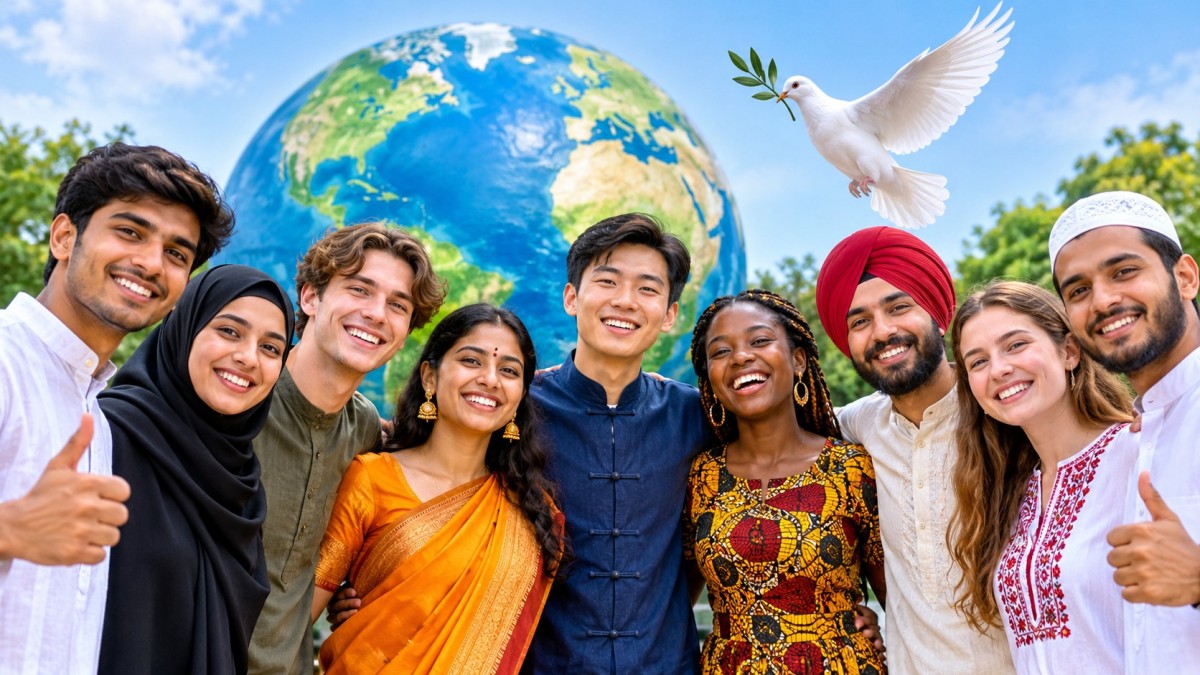
The International Day for Tolerance takes place every year on November 16 to encourage people to respect diversity, embrace differences, and promote peaceful coexistence. The United Nations Educational, Scientific and Cultural Organization (UNESCO) and the United Nations emphasize the importance of tolerance in building inclusive societies where individuals enjoy equal rights and opportunities. The observance highlights the need to respect different cultures, religions, languages, traditions, and perspectives. In 2026, the International Day for Tolerance falls on Monday, November 16, bringing attention to the importance of mutual understanding and respect. The day encourages individuals, governments, educational institutions, and communities to challenge discrimination, reject prejudice, and strengthen peaceful relationships. It also reminds people that diversity should unite humanity rather than divide societies. Through awareness campaigns, educational activities, and meaningful discussions, the observance promotes a world where everyone can live with dignity, freedom, and equality.
Also Read: Brazilian Model Larissa Responds to Allegations of Rahul Gandhi’s Vote Chori Connection
🌍 International Day for Tolerance 2026: History and Origin
The history of the International Day for Tolerance dates back to UNESCO’s efforts to promote peace and understanding among people worldwide. On November 16, 1995, UNESCO Member States adopted the Declaration of Principles on Tolerance during the organization’s 28th General Conference in Paris. The declaration recognized tolerance as an essential foundation for peace, democracy, human rights, and social development. It also encouraged governments and communities to address discrimination, prejudice, and intolerance through education and public awareness. Following this initiative, the United Nations General Assembly adopted Resolution 51/95 on December 12, 1996, and invited Member States to observe November 16 as the International Day for Tolerance. The resolution encouraged educational institutions and the wider public to organize activities that promote tolerance and understanding. Since then, the observance has highlighted the importance of respecting differences and building peaceful societies.
🤝 Significance of International Day for Tolerance
The International Day for Tolerance holds significant importance because discrimination, prejudice, racism, and social exclusion continue to affect communities worldwide. People often face unfair treatment because of their religion, nationality, culture, language, gender, disability, or personal beliefs. Tolerance encourages individuals to recognize these differences without treating others unfairly. It promotes respect for human dignity, fundamental freedoms, and equal opportunities. UNESCO explains that tolerance involves appreciating the diversity of cultures and recognizing the rights and freedoms of others. The observance also encourages people to challenge stereotypes, reject hateful behaviour, and develop a better understanding of different perspectives. By promoting tolerance, societies can reduce conflicts, strengthen social relationships, and create inclusive environments. The day reminds everyone that peaceful coexistence requires active participation, understanding, and respect rather than indifference toward discrimination.
🕊️ Promoting Peace and Respect Across Communities
Peace and respect play essential roles in creating a tolerant society. People can resolve disagreements peacefully when they listen to one another, communicate openly, and respect different opinions. Tolerance allows individuals to maintain their beliefs while accepting the freedom of others to follow different values and traditions. Communities can strengthen peaceful relationships by encouraging dialogue, cooperation, and cultural exchange. Governments can support these efforts by protecting human rights, implementing fair laws, and ensuring equal opportunities for citizens. Religious institutions, social organizations, and educational establishments can also promote understanding among diverse groups. Respectful communication helps prevent misunderstandings and reduces the risk of conflicts. When people appreciate diversity and treat one another fairly, they create stronger communities that support cooperation, trust, and peaceful coexistence.
📚 Education: The Foundation of a Tolerant Society
Education plays a crucial role in building tolerance because it helps people understand diversity and recognize the rights of others. Schools and universities can introduce students to different cultures, traditions, languages, and perspectives through classroom discussions and cultural activities. Teachers can encourage students to question stereotypes, challenge discrimination, and resolve disagreements constructively. Educational institutions can organize debates, essay competitions, workshops, and awareness programmes to promote human rights and inclusion. UNESCO identifies education as an important tool for preventing intolerance and encouraging independent thinking. Students who learn empathy, critical thinking, and respect at an early age can develop stronger relationships with people from different backgrounds. Education also prepares young people to become responsible citizens who contribute positively to society. By strengthening tolerance through learning, communities can build a foundation for lasting peace and social harmony.
🌈 Embracing Diversity and Building Social Harmony
Diversity makes societies culturally rich and encourages people to learn from different experiences and perspectives. Every community contributes unique traditions, languages, customs, knowledge, and values that enrich human life. Tolerance allows people to appreciate these differences without creating divisions or encouraging discrimination. Cultural exchange programmes, community celebrations, and intercultural discussions can help people understand unfamiliar traditions. Individuals can also promote social harmony by respecting religious practices, avoiding offensive language, and treating everyone equally. Inclusive societies create opportunities for people to participate in education, employment, and public life without facing discrimination. When communities celebrate diversity and encourage mutual understanding, they strengthen social unity. The International Day for Tolerance reminds people that differences should become opportunities for learning, cooperation, and friendship rather than sources of conflict.
💬 How Individuals Can Promote Tolerance in Everyday Life
Individuals can promote tolerance through simple actions that encourage respect and understanding in everyday situations. People can listen patiently to others, avoid discriminatory language, and respect cultural or religious practices that differ from their own. They can challenge bullying, prejudice, and unfair treatment whenever they witness such behaviour. Social media users can contribute by sharing responsible information, avoiding hateful content, and participating in constructive discussions. Families can teach children kindness, fairness, and acceptance from an early age. Communities can organize cultural gatherings, dialogue sessions, and awareness campaigns that bring people from different backgrounds together. Workplaces can encourage equal opportunities and respectful communication among employees. These everyday actions can gradually change social attitudes and promote inclusion. Consistent efforts from individuals can strengthen relationships and create a society where everyone feels valued and respected.
⚖️ Tolerance, Human Rights, and Equality
Tolerance connects directly with human rights and equality because every individual deserves dignity, freedom, and fair treatment. The principles of tolerance encourage societies to protect freedom of thought, expression, religion, and belief while respecting the rights of others. Governments and institutions must address discrimination and ensure that people can participate equally in public life. Legal protections, inclusive policies, and awareness campaigns can help prevent unfair treatment and promote justice. Individuals also have a responsibility to respect others’ freedoms and reject practices that encourage hatred or exclusion. Tolerance does not mean accepting violence, injustice, or discrimination without action. Instead, it encourages people to defend human rights and challenge intolerance through peaceful and constructive methods. A society that protects equality and respects human dignity creates stronger foundations for democracy and peaceful coexistence.
✨ Conclusion: Creating a World of Respect and Understanding
The International Day for Tolerance 2026 reminds the world that peace begins with respect, understanding, and acceptance of diversity. The observance highlights the responsibility of individuals, communities, and governments to protect human rights and challenge discrimination. Tolerance does not require everyone to share identical beliefs or opinions; it encourages people to respect differences and resolve disagreements peacefully. Education, dialogue, equality, and empathy can help societies overcome prejudice and build stronger relationships. November 16 provides an opportunity to renew this commitment and encourage positive changes in everyday behaviour. By practising tolerance consistently, people can contribute to a world where everyone enjoys dignity, freedom, and equal opportunities, regardless of their background or beliefs. A more peaceful future depends on the willingness of humanity to embrace diversity, reject hatred, and treat every individual with kindness and respect.