








🌾 Introduction
The world celebrates the International Day of Rural Women on October 15 every year to recognize the invaluable contributions of rural women to agriculture, food security, environmental protection and community development. These women support rural economies, preserve traditional knowledge and help families build better futures through their hard work and determination.
In 2026, the occasion carries additional significance as the United Nations observes the International Year of the Woman Farmer, highlighting the vital role women play in food production and sustainable agricultural development. This year’s theme, “Rural Women Farmers Caring for Mother Nature,” celebrates their efforts to conserve seeds, protect biodiversity, manage water resources and restore degraded land.
Also Read: Brazilian Model Larissa Responds to Allegations of Rahul Gandhi’s Vote Chori Connection
📅 History and Significance of the Day
The United Nations General Assembly established the International Day of Rural Women on December 18, 2007, to recognize the essential role rural women play in agricultural and rural development. The world observed the day for the first time on October 15, 2008.
The observance highlights the connection between women’s empowerment, poverty reduction, food security and sustainable development. It also encourages governments, organizations and communities to address the challenges rural women face and provide them with equal opportunities to improve their livelihoods.
🌱 2026 Theme: Rural Women Farmers Caring for Mother Nature
This year’s theme recognizes rural women’s contributions to protecting the environment while supporting agricultural production and rural livelihoods.
Women farmers use traditional knowledge and sustainable practices to conserve local seeds, maintain soil health, protect biodiversity and manage water resources. Their work helps communities respond to changing weather patterns and environmental challenges.
The theme also calls for greater recognition of women as environmental leaders and decision-makers. By supporting their knowledge, skills and leadership, communities can strengthen food systems and protect natural resources for future generations.
🚜 Contributions of Rural Women to Agriculture
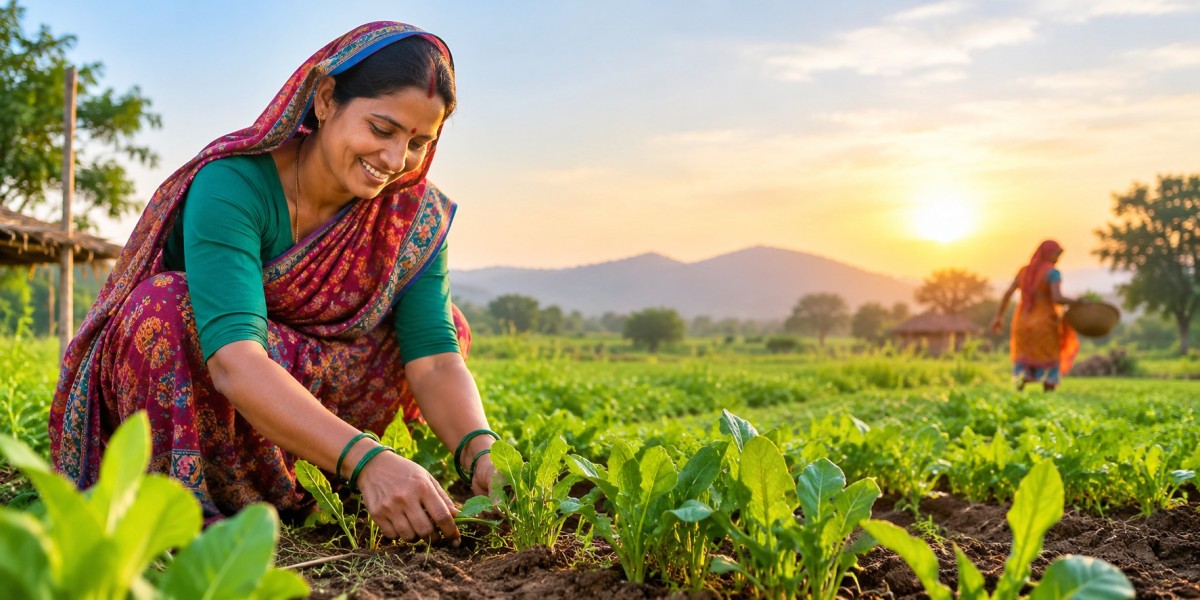
Rural women perform essential tasks throughout the agricultural cycle. They sow seeds, transplant seedlings, remove weeds, harvest crops, manage livestock and help process agricultural produce.
Many women also conserve seeds, prepare food products and participate in activities that add value to farm produce. Their work supports household incomes, strengthens local markets and contributes to the availability of food in communities.
In India, women play a particularly important role in agricultural development. The Ministry of Agriculture and Farmers Welfare reported that women accounted for 59.8% of the workforce engaged in agricultural activities during January–December 2025, according to the Periodic Labour Force Survey.
Despite their contribution, many women farmers still need better access to land ownership, affordable credit, modern technology, agricultural training and markets that offer fair prices for their produce.
🌍 Protecting the Environment and Natural Resources
Rural women help protect the natural resources that sustain agriculture and village life. Their everyday activities often include managing water, conserving seeds, maintaining kitchen gardens and applying traditional knowledge to local farming conditions.
Women who adopt sustainable agricultural practices can help reduce resource waste, protect soil quality and preserve biodiversity. Their involvement in community initiatives can also strengthen efforts to manage forests, conserve water and respond to climate-related challenges.
Recognizing rural women as environmental leaders encourages communities to combine traditional knowledge with modern agricultural science and sustainable technologies.
💪 Challenges Faced by Rural Women
Although rural women contribute significantly to agriculture and society, many continue to face economic and social barriers that limit their opportunities.
Key challenges include:
- Limited access to land: Many women work on family farms without formal ownership or secure land rights.
- Financial barriers: Difficulties in obtaining loans, insurance and other financial services restrict their ability to invest in farming.
- Unequal pay: Women agricultural workers may receive lower wages than men for comparable work.
- Limited access to technology: Gaps in training, digital connectivity and modern equipment can affect productivity.
- Unpaid domestic work: Many women balance agricultural responsibilities with cooking, childcare and household duties.
- Climate-related risks: Droughts, floods, water shortages and changing weather patterns threaten livelihoods and food security.
- Limited decision-making power: Social barriers can prevent women from participating fully in community institutions and agricultural decisions.
Addressing these challenges requires coordinated action from governments, financial institutions, agricultural organizations and local communities.
🇮🇳 India Celebrates Mahila Kisan Diwas 2026
India also observes Mahila Kisan Diwas on October 15 to recognize the achievements and contributions of women farmers. The Department of Agriculture and Farmers Welfare is organizing a national-level celebration in New Delhi to honor women farmers and highlight their role in agricultural development.
The 2026 theme for Mahila Kisan Diwas is “Role of Women Farmers in Building Developed Agriculture and a Developed India.”
The initiative emphasizes the importance of modern agricultural technologies, crop diversification, livestock management, natural resource conservation and agriculture-based entrepreneurship. It also encourages greater participation of women in agricultural leadership and decision-making.
The celebration provides an opportunity to recognize successful women farmers, share their experiences and promote practices that strengthen rural livelihoods.
📚 Government Initiatives and Women’s Empowerment
Governments and development organizations can improve rural women’s lives by expanding access to education, healthcare, financial services, agricultural training and employment opportunities.
Self-help groups and women-led enterprises also help rural women build financial independence. Through collective savings, skill development and small businesses, women can generate income and contribute more actively to local economies.
Access to digital tools, market information, crop insurance and modern farming equipment can further improve productivity. Policymakers must also strengthen women’s land rights and ensure that women farmers receive the recognition and support they deserve.
🎉 How the World Observes International Day of Rural Women
Communities, educational institutions, agricultural organizations and government agencies can mark the day through activities that celebrate rural women’s achievements and address their concerns.
Common activities include:
- 🌾 Recognizing outstanding women farmers and rural entrepreneurs.
- 🎤 Organizing discussions on women’s rights, agricultural development and gender equality.
- 📚 Conducting agricultural training and skill-development workshops.
- 🌱 Promoting sustainable farming and environmental conservation.
- 🤝 Supporting women-led self-help groups and rural businesses.
- 📢 Raising awareness about equal pay, land ownership and access to financial resources.
These activities help communities recognize rural women’s achievements and encourage practical steps toward greater equality.
🌟 Why Empowering Rural Women Matters
Empowering rural women benefits entire communities. When women gain access to education, resources, technology and fair economic opportunities, they can improve household incomes, strengthen food security and contribute to sustainable development.
Their participation in local leadership also helps communities make more inclusive decisions. By investing in rural women, societies can create stronger agricultural systems, expand entrepreneurship and improve opportunities for future generations.
The International Day of Rural Women reminds the world that rural women deserve recognition not only for their hard work but also for their knowledge, leadership and ability to drive change.
📝 Conclusion
The International Day of Rural Women 2026 celebrates the women who nourish communities, sustain agricultural economies and protect the environment. This year’s theme, “Rural Women Farmers Caring for Mother Nature,” highlights the important connection between women’s empowerment and environmental sustainability.
As the world marks the International Year of the Woman Farmer, governments, organizations and communities must turn recognition into meaningful action. Providing rural women with equal rights, better resources, fair wages and leadership opportunities will help build a more prosperous, inclusive and sustainable future for everyone.
Also Read: Top 7 Most Beautiful Navratri Pandals in Nagpur 2026 You Must Visit