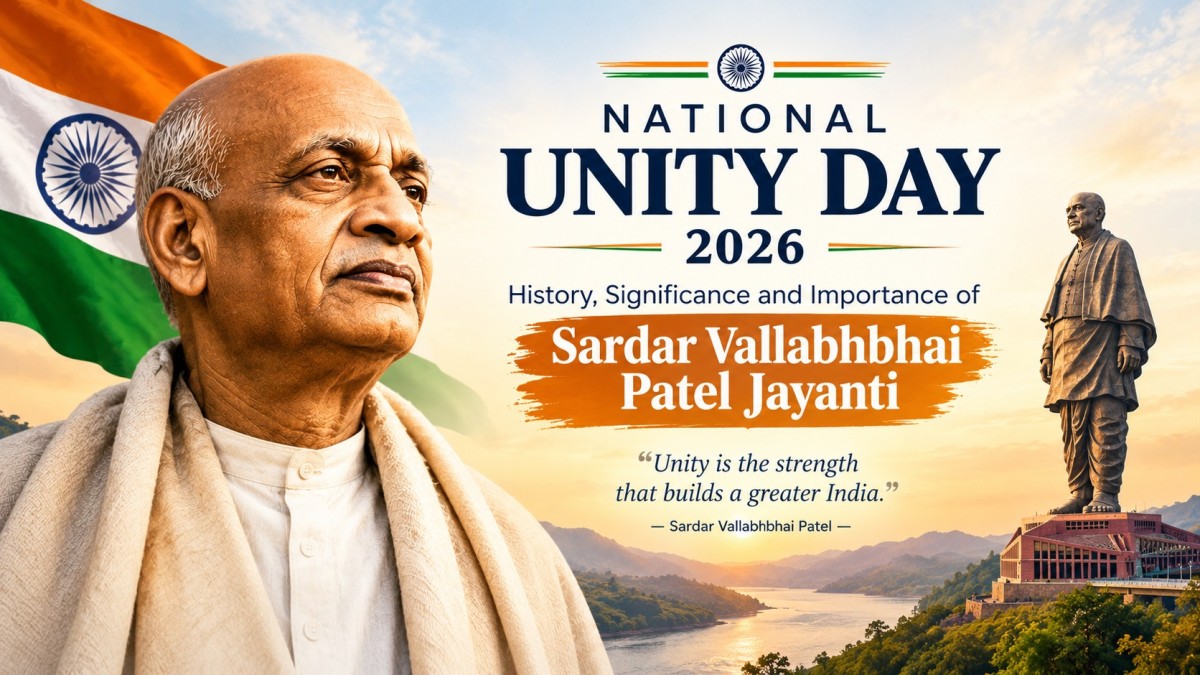
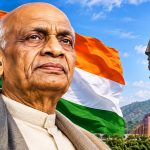
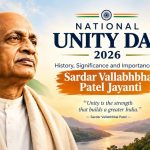






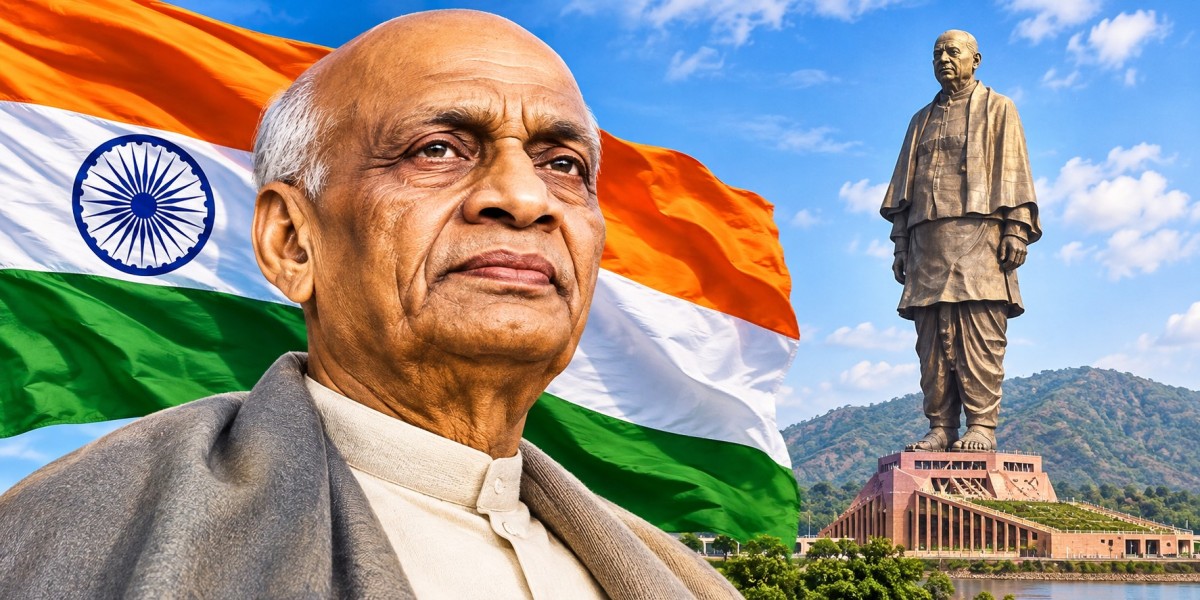
Sardar Vallabhbhai Patel Jayanti 2026: India celebrates Sardar Vallabhbhai Patel Jayanti on October 31 every year to honour the birth anniversary of one of the country’s most influential freedom fighters and nation-builders. Popularly known as the Iron Man of India, Patel played a historic role in India’s freedom struggle and the integration of hundreds of princely states after Independence. The country marks his 151st birth anniversary in 2026 with Rashtriya Ekta Diwas (National Unity Day). The occasion reminds citizens of his commitment to national unity, administrative strength and integrity. His leadership helped shape the political foundation of independent India and strengthened the idea of a united nation despite its cultural, linguistic and regional differences. Press Information Bureau+2
Also Read: Brazilian Model Larissa Responds to Allegations of Rahul Gandhi’s Vote Chori Connection
🇮🇳 Early Life and Journey of Sardar Vallabhbhai Patel
Sardar Vallabhbhai Patel was born on October 31, 1875, in Nadiad, Gujarat, into a farming family. His father, Jhaverbhai Patel, and mother, Ladba, influenced his early life through their values of discipline, courage and hard work. Patel completed his education in Gujarat before travelling to England to study law. He qualified as a barrister and returned to India to establish a successful legal career. Initially, he practised law in Ahmedabad and built a reputation as a determined and disciplined lawyer. However, his meeting with Mahatma Gandhi changed the direction of his life. Gandhi’s ideas about freedom, self-reliance and peaceful resistance inspired Patel to join the national movement. He gradually left his legal profession behind and devoted his time to public service, farmers’ rights and India’s struggle against British rule. Press Information Bureau+1
✊ Role in India’s Freedom Struggle
Patel emerged as a prominent leader through his participation in several important movements against British rule. In 1918, he supported the Kheda Satyagraha, where farmers demanded relief from land revenue because crop failures and financial difficulties affected their livelihoods. He organized farmers and encouraged them to stand together against unfair taxation. In 1928, Patel led the Bardoli Satyagraha in Gujarat, where farmers protested against an increase in land revenue. His disciplined leadership and organizational abilities helped strengthen the movement. Following its success, people began calling him ‘Sardar’, a title that reflected their respect for his leadership. He also supported the Non-Cooperation Movement and the Quit India Movement. Throughout the freedom struggle, Patel worked closely with Mahatma Gandhi and other national leaders. His determination, organizational skills and ability to unite people made him an important figure in India’s independence movement. Press Information Bureau+1
🏛️ The Iron Man Who United India
After India gained Independence on August 15, 1947, the country faced a major challenge: political integration. At that time, British India consisted of provinces and more than 560 princely states, each with its own ruler. The British withdrawal created uncertainty about the future of these princely territories. As India’s first Deputy Prime Minister and Home Minister, Patel took responsibility for bringing these states into the Indian Union. He worked with V. P. Menon, a senior civil servant, to negotiate with princely rulers and encourage them to sign the Instruments of Accession. His efforts helped integrate most princely states into independent India. The integration of Junagadh, Hyderabad and other territories required particularly challenging political and administrative efforts. Through negotiations, strategic decisions and firm leadership, Patel helped establish the territorial and administrative foundation of modern India. His contribution earned him the lasting title of the Iron Man of India. Press Information Bureau+1
🗽 Why Does India Celebrate Rashtriya Ekta Diwas?
The Government of India declared October 31 as Rashtriya Ekta Diwas, or National Unity Day, in 2014 to commemorate Patel’s birth anniversary and recognise his contribution to national integration. The observance encourages citizens to protect the country’s unity, integrity and security. Government departments, educational institutions and other organisations conduct pledge ceremonies, awareness programmes and activities that promote national solidarity. The annual Run for Unity brings people together to highlight the importance of collective responsibility and national integration. Schools and colleges also organise essay competitions, speeches, quizzes and cultural programmes to introduce young generations to Patel’s contribution. The government introduced the Rashtriya Ekta Diwas pledge to encourage citizens to preserve national unity and spread the message of solidarity. These activities reflect Patel’s vision of a strong India where people respect regional, cultural and linguistic differences while sharing a common national identity. Press Information Bureau+2
🗼 Statue of Unity: A Lasting Tribute to Sardar Patel
India has honoured Patel’s contribution through the Statue of Unity, which stands in Ekta Nagar near Kevadia in Gujarat. The statue measures 182 metres in height and represents his historic role in bringing the country together. The government inaugurated this monument on October 31, 2018, on his 143rd birth anniversary. It has become an important national landmark and attracts visitors from India and abroad. The monument also highlights Patel’s legacy through exhibitions, museums and educational displays that explain his life and contribution to national integration. Every year, Ekta Nagar hosts Rashtriya Ekta Diwas celebrations, including ceremonial parades, cultural performances and national unity programmes. In 2026, the Statue of Unity complex will once again serve as the main venue for the national celebrations marking his 151st birth anniversary. Incredible India+1
🌟 Legacy and Inspiration for Future Generations
Sardar Vallabhbhai Patel passed away on December 15, 1950, but his contribution to India’s political and national development continues to inspire generations. His leadership demonstrated the importance of discipline, determination, cooperation and strong institutions. In 1991, the Government of India posthumously honoured him with the Bharat Ratna, the country’s highest civilian award. His birthday continues to remind citizens that national progress requires unity, mutual respect and collective responsibility. For students, young professionals and future leaders, his life offers important lessons about public service, leadership and dedication to the nation. His work during the freedom struggle and his efforts to integrate princely states remain significant chapters in India’s history.
🕊️ Conclusion: Remembering the Architect of United India
Sardar Vallabhbhai Patel Jayanti 2026 is more than a celebration of a historical personality’s birth anniversary. It is an opportunity to remember the leader who helped transform a politically divided region into a united independent nation. His vision of national integration continues to hold importance in a country with diverse cultures, languages and traditions. As India observes Rashtriya Ekta Diwas on October 31, citizens can honour his legacy by promoting harmony, respecting diversity and contributing to the nation’s progress. His life reminds everyone that unity, determination and collective effort can overcome even the most difficult challenges.
Also Read: World Thrift Day 2026: Why Financial Planning and Saving Habits Matter More Than Ever