







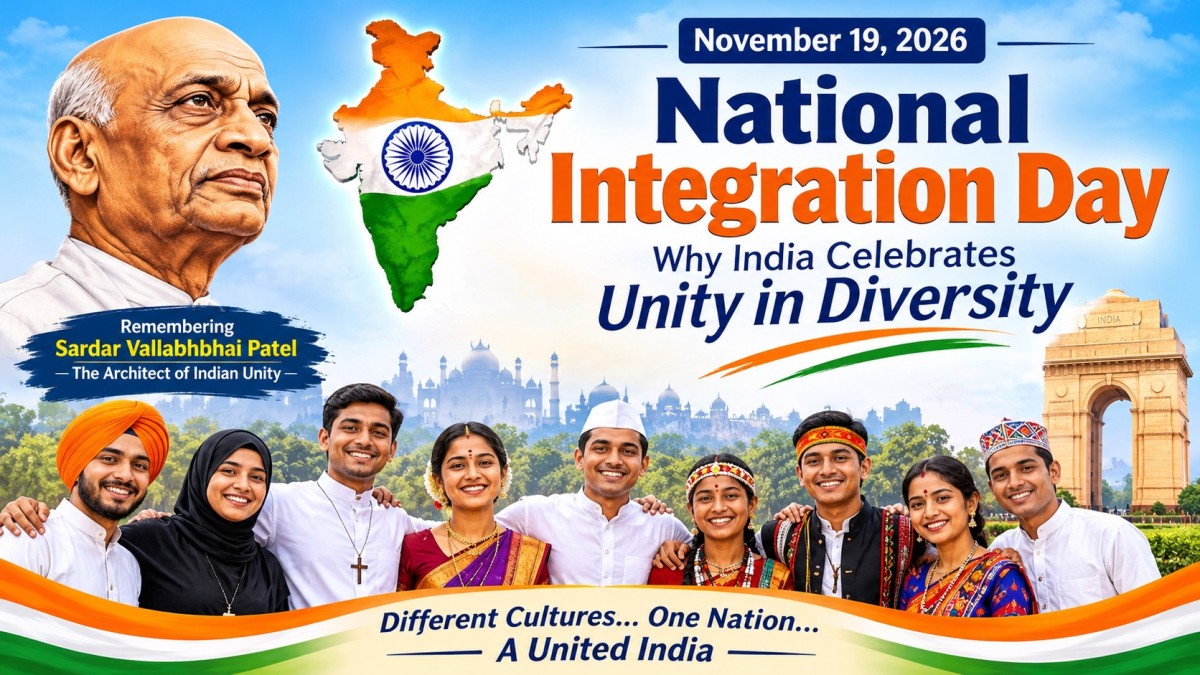
National Integration Day 2026 is observed across India on November 19 to promote national unity, peace, brotherhood and harmony among people from different religions, cultures, languages and communities. The day reminds citizens that India’s strength lies in its diversity and that people must work together to build a peaceful, inclusive and stronger nation.
India celebrates National Integration Day on the birth anniversary of former Prime Minister Indira Gandhi, who was born on November 19, 1917. The occasion encourages citizens, particularly young people, to respect different cultures, reject discrimination and strengthen the spirit of national unity.
National Integration Day also highlights the importance of mutual respect, equality and cooperation. It reminds people that differences in language, religion, traditions and lifestyles should bring communities together rather than divide them.
Also Read: Brazilian Model Larissa Responds to Allegations of Rahul Gandhi’s Vote Chori Connection
✦ Why Does India Celebrate National Integration Day on November 19?
India observes National Integration Day on November 19 to remember Indira Gandhi’s birth anniversary and promote the values of unity, peace and national solidarity.
India has a diverse population with different religions, languages, customs and cultural traditions. Despite these differences, the country shares a common national identity. National Integration Day encourages citizens to protect this unity and respect one another.
The day also reminds people that national development depends on cooperation among communities. When citizens support one another and work towards common goals, they help create a stronger and more stable society.
Schools, colleges and various institutions mark the occasion through awareness programmes, discussions, cultural activities and activities that encourage national unity.
✦ Who Was Indira Gandhi and Why Is Her Birth Anniversary Important?
Indira Gandhi was born on November 19, 1917, in Allahabad, now known as Prayagraj, Uttar Pradesh. She became India’s first and, so far, only woman Prime Minister.
She served as Prime Minister from 1966 to 1977 and again from 1980 until her assassination in 1984. During her political career, she played an important role in shaping India’s domestic and international policies.
Her birth anniversary provides an opportunity to remember her political legacy and discuss the importance of national unity, leadership and India’s development.
National Integration Day uses this occasion to encourage people to put national interests above social, religious and regional differences.
✦ What Is the Meaning of National Integration?
National integration means bringing people together despite differences in religion, caste, language, region and culture. It creates a sense of belonging and encourages citizens to identify themselves as equal members of one nation.
India demonstrates this principle through its diverse traditions, festivals, languages, food habits and lifestyles. People celebrate different festivals, follow different customs and speak different languages, but they share the same constitutional rights and national identity.
National integration does not require people to abandon their individual cultures or traditions. Instead, it encourages them to respect other communities and live together peacefully.
The concept also promotes:
- Religious tolerance and mutual respect.
- Equal rights and opportunities for every citizen.
- Social justice and freedom from discrimination.
- Cooperation between different states and communities.
- Respect for India’s cultural and linguistic diversity.
✦ Importance of National Integration Day 2026
National Integration Day 2026 carries particular importance because social harmony and cooperation play a major role in India’s democratic development.
The occasion highlights several important values:
1. Promoting Unity in Diversity
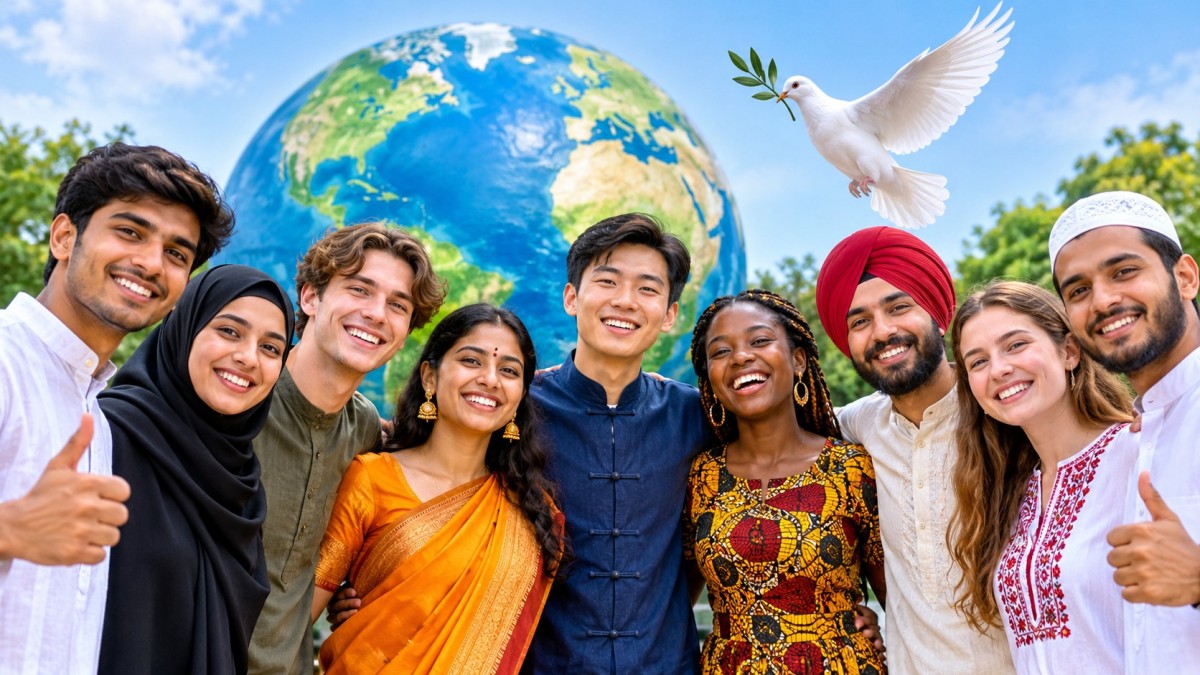
India has many religions, languages, traditions and cultural identities. National Integration Day encourages people to celebrate these differences while maintaining a common national identity.
2. Strengthening Communal Harmony
The day encourages communities to reject religious hatred, violence and intolerance. It promotes peaceful relationships among people from different religious backgrounds.
3. Protecting National Integrity
Citizens must respect India’s sovereignty, constitutional values and territorial integrity. National integration encourages everyone to contribute towards national security and stability.
4. Encouraging Social Equality
The occasion highlights the importance of equal opportunities and dignity for every individual, regardless of caste, religion, gender or economic background.
5. Inspiring Young Generations
Schools and colleges can use this occasion to teach students about India’s history, constitutional responsibilities, cultural diversity and the importance of peaceful coexistence.
✦ Role of the Indian Constitution in Promoting National Integration
The Indian Constitution provides a strong foundation for national integration. It protects fundamental rights and encourages citizens to maintain brotherhood, equality and respect for different communities.
Some important constitutional provisions include:
| Article | Importance |
|---|---|
| Article 14 | Guarantees equality before the law. |
| Article 15 | Prohibits discrimination on specified grounds. |
| Article 16 | Ensures equality of opportunity in public employment. |
| Article 25 | Protects freedom of conscience and religion. |
| Article 29 | Protects the cultural and educational interests of minorities. |
| Article 51A(c) | Requires citizens to protect India’s sovereignty, unity and integrity. |
| Article 51A(e) | Encourages harmony and common brotherhood among all people. |
These provisions help India maintain its democratic identity and protect the rights of people from different backgrounds.
✦ How Do People Celebrate National Integration Day?
Educational institutions, government organisations and social groups can organise different activities to spread awareness about national integration.
Common activities include:
- Unity Pledge: Citizens take pledges to protect national unity and promote brotherhood.
- Cultural Programmes: Students perform traditional dances, music and cultural presentations representing different Indian states.
- Essay Competitions: Schools organise essay-writing competitions on national unity and India’s cultural diversity.
- Debates and Discussions: Educational institutions arrange discussions about communal harmony, equality and national development.
- Awareness Campaigns: Organisations spread messages against discrimination, communal violence and social divisions.
- Community Activities: People participate in activities that encourage cooperation and understanding among different communities.
These activities help citizens understand that national integration requires continuous participation and collective responsibility.
✦ Major Challenges to National Integration in India
Although India has a strong tradition of unity in diversity, several challenges can affect national integration.
1. Communalism: Religious intolerance and communal conflicts can damage relationships between communities.
2. Caste Discrimination: Caste-based inequality and social exclusion weaken the principles of equality and brotherhood.
3. Regional Differences: Regional disputes and unequal development can create divisions among people from different states.
4. Linguistic Conflicts: Disagreements over language and cultural identity can sometimes create misunderstandings.
5. Economic Inequality: Poverty, unemployment and unequal access to education can increase social and economic divisions.
6. Fake News and Social Media: Misinformation, misleading posts and hate speech can spread tension and create distrust among communities.
Addressing these challenges requires responsible leadership, effective education, equal opportunities and active participation from citizens.
✦ How Can Citizens Strengthen National Unity?
Every citizen has an important role in maintaining India’s unity and integrity. People can strengthen national integration through simple but meaningful actions.
- Respect people from different religions, languages and cultural backgrounds.
- Avoid spreading rumours, misinformation and hate speech.
- Support equality and oppose discrimination.
- Encourage children to learn about India’s cultural heritage.
- Participate in community development activities.
- Respect the Constitution and fulfil fundamental duties.
- Promote peace, cooperation and mutual understanding.
National unity does not depend only on government policies. It also depends on how people treat one another in their daily lives.
✦ National Integration Day vs National Unity Day: What Is the Difference?
Many people confuse National Integration Day with National Unity Day because both occasions promote national unity and integrity. However, they commemorate different personalities and fall on different dates.
| Particulars | National Integration Day | National Unity Day |
|---|---|---|
| Date | November 19 | October 31 |
| Associated personality | Indira Gandhi | Sardar Vallabhbhai Patel |
| Occasion | Indira Gandhi’s birth anniversary | Sardar Patel’s birth anniversary |
| Main focus | National integration and communal harmony | National unity and integrity |
| Other name | Qaumi Ekta Divas | Rashtriya Ekta Diwas |
India observes National Unity Day on October 31 to honour Sardar Vallabhbhai Patel’s contribution to national integration and the unification of princely states. MYBharat+1
✦ Frequently Asked Questions (FAQs)
Q1. When is National Integration Day 2026 celebrated?
National Integration Day 2026 will be observed on Thursday, November 19, across India.
Q2. Why does India celebrate National Integration Day?
India celebrates this day to promote national unity, communal harmony, brotherhood and peaceful coexistence among people from different backgrounds.
Q3. Whose birth anniversary falls on November 19?
November 19 marks the birth anniversary of former Prime Minister Indira Gandhi, who was born in 1917. PM India
Q4. What is another name for National Integration Day?
National Integration Day is also known as Qaumi Ekta Divas.
Q5. What is the main message of National Integration Day?
The main message is to respect cultural differences, promote equality and work together to build a peaceful and united India.
Q6. Is National Integration Day a public holiday?
National Integration Day is an observance, not a nationwide public holiday. Government offices and educational institutions generally remain open unless local holiday rules provide otherwise.
Q7. What is the theme of National Integration Day 2026?
There is no verified officially announced national theme for the 2026 observance. The central message remains unity in diversity, communal harmony and national solidarity.
✦ Conclusion
National Integration Day 2026 reminds every Indian that unity remains one of the country’s greatest strengths. India’s diversity represents its cultural richness, and mutual respect helps different communities live together peacefully.
As India continues to develop, citizens must work together to overcome discrimination, communal divisions and social inequalities. Schools, colleges, government institutions and communities can play an important role in spreading awareness about national integration.
November 19 is an opportunity for everyone to renew their commitment to equality, brotherhood and national harmony. A united society can build a stronger, more inclusive and progressive India.
Also Read: Bengaluru Tech Summit 2026: Key Highlights, Technology and Innovation to Watch