






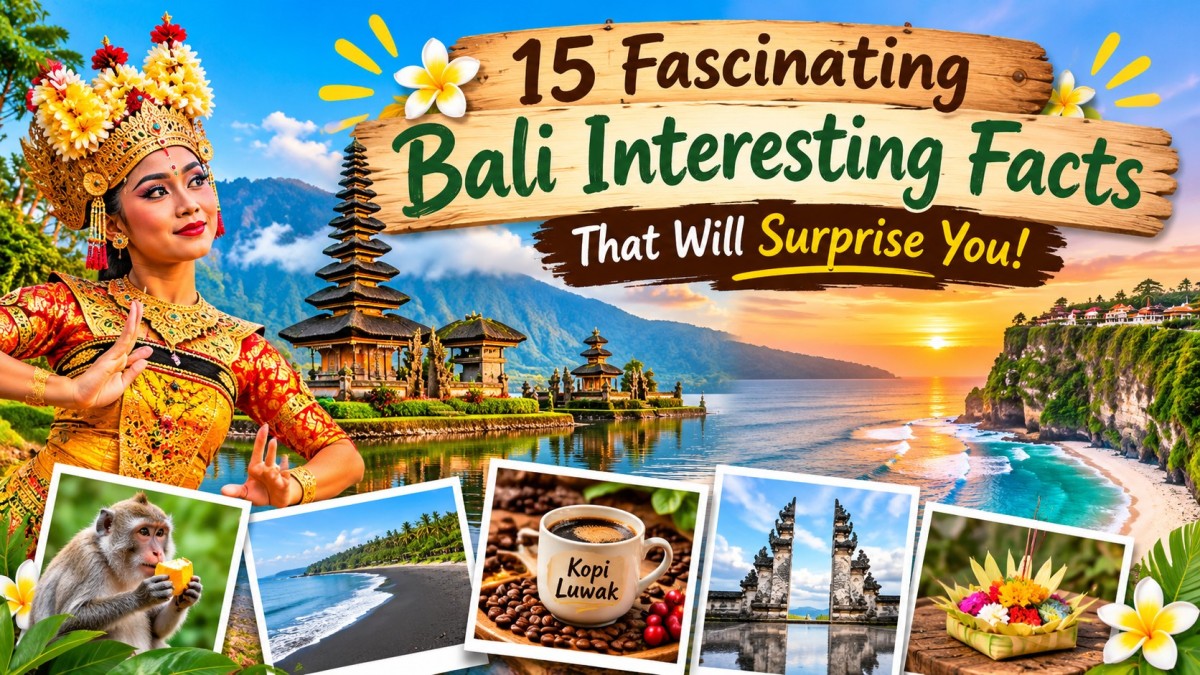
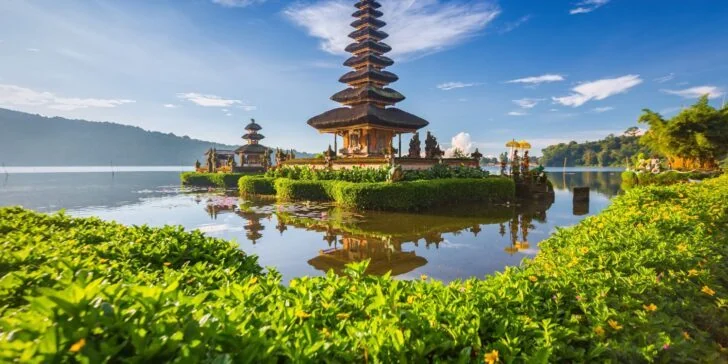
Bali, Indonesia, is more than just a tropical paradise filled with beautiful beaches, luxurious resorts, and stunning sunsets. Known as the Island of the Gods, Bali is a fascinating destination with unique religious traditions, ancient temples, unusual customs, delicious coffee, and extraordinary cultural experiences.
From its popularity among digital nomads to its mysterious temple photographs and fascinating New Year celebrations, there is so much to discover about this magical island.
Whether you’re planning a vacation or simply love learning about interesting destinations, here are 15 fascinating facts about Bali that will surprise you!
1. 💻 Bali Is a Popular Destination for Digital Nomads
Bali has become one of the world’s favorite destinations for digital nomads and remote workers.
Many people move to the island because they can combine their professional lives with a relaxed tropical lifestyle. Beautiful beaches, affordable accommodation options, surfing opportunities, and lively café culture make Bali particularly attractive.
Popular areas for digital nomads include Canggu, Uluwatu, and Sanur. These places offer coworking spaces, trendy cafés, restaurants, and beautiful coastal surroundings.
Imagine working on your laptop while enjoying a refreshing coconut with an ocean view!
2. 🛕 Hinduism Is the Main Religion in Bali
Although Indonesia is the world’s largest Muslim-majority country, Bali is different because most of its population practices Hinduism.
Balinese Hinduism has a unique identity that combines Hindu beliefs with local customs, ancestral traditions, and spiritual practices.
Religion plays an important role in everyday life. From colorful offerings outside homes to elaborate temple ceremonies, spirituality can be seen throughout the island.
This religious heritage is one of the main reasons Bali is often called the Island of the Gods.
3. 🌺 Every Traditional Balinese Village Has Temples
Bali is famous for its extraordinary number of temples. It is often called the Island of a Thousand Temples, although the actual number is believed to be much higher.
Traditional Balinese villages generally have three important village temples, known as Kahyangan Tiga, which serve different spiritual purposes.
Some of the island’s most famous temples include:
- Besakih Temple: Known as the Mother Temple of Bali.
- Tanah Lot Temple: Famous for its dramatic ocean setting.
- Uluwatu Temple: Beautifully positioned on a cliff overlooking the sea.
- Ulun Danu Beratan Temple: Famous for its picturesque lakeside location.
Visitors entering temples are generally expected to dress respectfully. Wearing a sarong and covering the shoulders is commonly required.
4. 🙏 Bali Has Its Own Unique Form of Hinduism
Balinese Hinduism is different from many other Hindu traditions because it incorporates local spiritual beliefs, ancestral worship, and the idea that spiritual forces exist throughout nature.
The belief that spirits inhabit natural objects and living things is often associated with animism.
Balinese Hinduism also emphasizes harmony between humans, nature, and the divine. This philosophy is reflected in a traditional concept called Tri Hita Karana.
The recognition of Balinese Hinduism as an officially accepted religion in Indonesia also involved historical challenges. Its development reflects the island’s determination to preserve its unique spiritual identity.
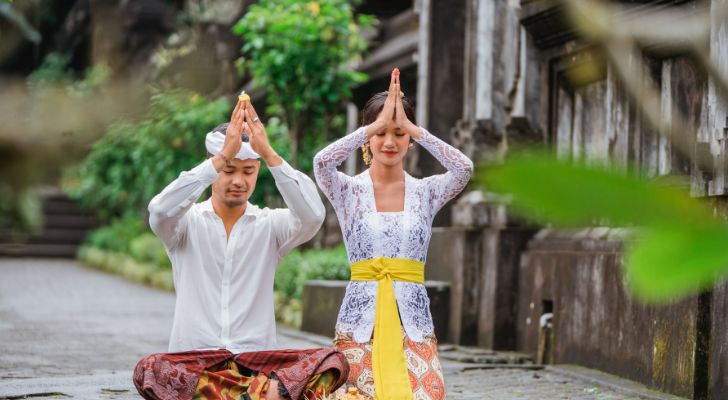
5. 📸 Bali’s Famous Gates of Heaven Don’t Have a Lake!
One of Bali’s most photographed attractions is the beautiful Lempuyang Temple, famous for its impressive stone gates.
Often called the Gates of Heaven, this temple has become incredibly popular on social media because of photographs showing the gates reflected in what appears to be a beautiful lake.
But here’s the surprising truth!
The famous mirror-like reflection is actually created using a mirror or reflective surface held beneath the camera lens. There is no lake directly in front of the gates creating that famous effect.
The actual temple is still incredibly beautiful, offering breathtaking views of the surrounding landscape and Mount Agung.
6. 💦 People Visit Tirta Empul Temple to Purify Themselves
Tirta Empul is one of Bali’s most important and sacred water temples.
Located near Tampaksiring, this temple is famous for its holy spring water, which is used in traditional purification ceremonies known as Melukat.
The temple’s purification pools feature rows of water fountains where visitors and worshippers perform ritual bathing.
Many Balinese Hindus visit the temple to spiritually cleanse themselves, seek blessings, and find inner peace.
It is a beautiful example of how deeply spirituality is connected to everyday life in Bali.
7. 🖤 Bali Has Beautiful Beaches With Black Sand

When people imagine Bali, they usually picture white sandy beaches and turquoise waters. However, the island also has fascinating black-sand beaches!
These beaches are mainly found along Bali’s northern and eastern coastlines.
Their unusual color comes from volcanic materials produced by the island’s volcanic activity. Over time, volcanic rocks break down into tiny dark grains of sand.
Some popular places to experience black-sand beaches include Lovina, Amed, and parts of the eastern coastline.
The contrast between the dark sand, blue ocean, and green tropical surroundings creates spectacular scenery.
8. 🦷 Bali Has a Traditional Teeth-Filing Ceremony
One of Bali’s most unusual cultural traditions is a ceremony known as Metatah or Mepandes.
This traditional teeth-filing ritual is associated with the transition from childhood to adulthood.
According to Balinese Hindu beliefs, six negative human qualities, known as Sad Ripu, can influence a person’s behavior. The symbolic filing of the upper canine teeth represents controlling these negative characteristics.
The ceremony is an important cultural and spiritual milestone for many Balinese families.
Today, the ritual is generally performed symbolically and forms part of a larger traditional ceremony.
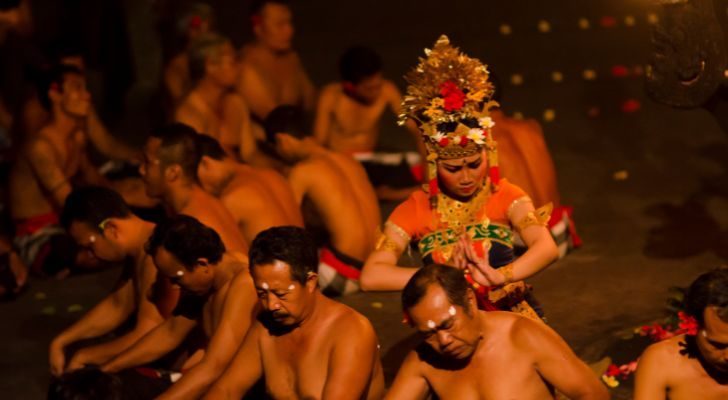
9. 🔥 Bali Has a Fascinating Fire Dance Called Kecak
The Kecak dance is one of Bali’s most famous traditional performances.
It is based on stories from the ancient Indian epic, the Ramayana, which tells the story of Prince Rama’s efforts to rescue his wife, Sita.
The performance features a large group of men sitting in a circle and chanting rhythmic sounds such as “cak-cak-cak.”
The chanting represents the monkey army that helps Rama in his battle against the demon king Ravana.
Kecak performances became popular in the 1930s and are especially famous at Uluwatu Temple, where the dramatic setting and sunset create an unforgettable experience.
10. ☕ Bali Has One of the World’s Most Interesting Starbucks Locations
Bali is home to an impressive Starbucks destination known as Starbucks Dewata Coffee Sanctuary.
Located in Denpasar, this large coffee experience center combines modern coffee culture with traditional Balinese design.
One of its most interesting features is its coffee garden, where visitors can learn about coffee cultivation and production.
The attraction is more than just a regular coffee shop. It offers an opportunity to discover how coffee is grown and prepared while enjoying the island’s distinctive atmosphere.
11. 🕉️ The Swastika Is an Ancient Hindu Symbol Found in Bali
Visitors exploring Bali’s temples may notice a symbol that looks similar to the swastika.
Although this symbol is associated with Nazi Germany in modern Western history, the swastika has a much older and entirely different religious meaning in Hinduism, Buddhism, and Jainism.
In Hindu traditions, it is an auspicious symbol associated with good fortune, prosperity, and well-being.
The word comes from the Sanskrit term svastika, associated with well-being and good fortune.
It is commonly seen in religious artwork, temple decorations, and traditional ceremonies across Bali.
12. 🐒 Bali Has a Monkey Forest With Hundreds of Monkeys
Bali is home to the famous Sacred Monkey Forest Sanctuary in Ubud, also known as Mandala Suci Wenara Wana.
This beautiful forest is home to hundreds of long-tailed macaques, ancient temples, and lush tropical vegetation.
Visitors can walk along shaded pathways while observing monkeys interacting with one another in their natural environment.
The sanctuary also has three important temples that reflect Bali’s rich cultural heritage.
It is a wonderful destination for nature lovers and photography enthusiasts. However, visitors should avoid feeding or touching the monkeys and keep their belongings secure.
13. 🦝 Bali Produces Coffee Made From Civet Droppings
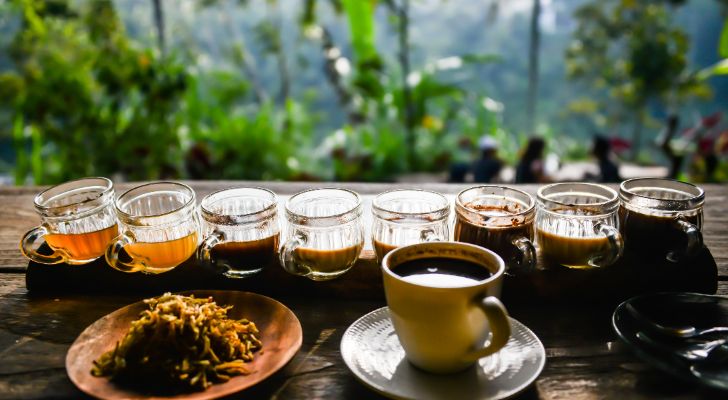
One of the world’s most unusual and expensive coffees is called Kopi Luwak.
It is produced using coffee beans that have passed through the digestive system of an Asian palm civet, a small mammal.
The civets eat ripe coffee cherries, and the beans are later collected, cleaned, processed, and roasted.
Although Bali is known for producing Kopi Luwak, the coffee’s history is associated with Indonesia’s colonial-era coffee plantations, particularly Java.
However, there is an important concern: some commercial civet farms keep animals in poor conditions and confine them in cages.
If you want to try this unusual coffee, look for independently verified ethical and animal-friendly production rather than supporting intensive civet farming.
14. 📅 Bali Uses Two Traditional Calendars
Bali has two fascinating traditional calendar systems called the Saka and Pawukon calendars.
The Saka calendar is a lunar-based calendar that determines important religious dates, including the Balinese New Year.
The Pawukon calendar is particularly unusual because it has a cycle of just 210 days!
It includes ten different week cycles operating simultaneously, each with a different number of days.
These calendar systems play an important role in organizing religious ceremonies, festivals, and traditional celebrations throughout the island.
15. 🤫 Bali Celebrates Its New Year With 24 Hours of Silence
One of Bali’s most extraordinary traditions is Nyepi, also known as the Day of Silence.
Unlike many New Year celebrations around the world, which involve fireworks, parties, and loud music, Bali welcomes its traditional New Year with complete silence.
Nyepi follows the Saka calendar and usually takes place in March, although the exact date changes every year.
During this special 24-hour period:
- People are expected to remain indoors.
- Streets become almost completely empty.
- Businesses and tourist attractions close.
- Outdoor activities and entertainment stop.
- Noise and artificial lighting are kept to a minimum.
The purpose of Nyepi is spiritual reflection, self-control, meditation, and purification.
Even tourists visiting Bali are expected to observe the restrictions during this special day.
It is a truly unique celebration that demonstrates the importance of spirituality and harmony in Balinese culture.
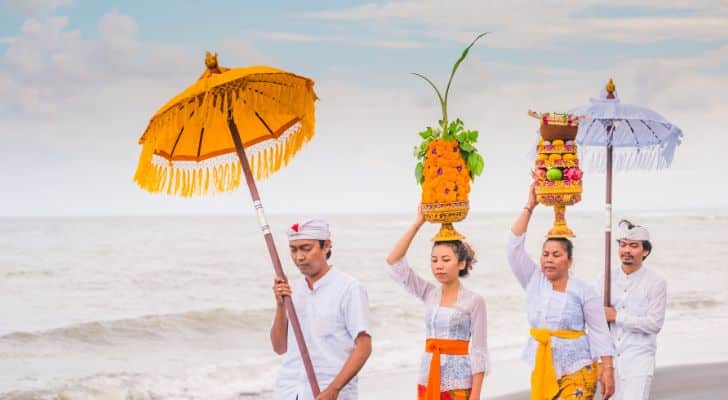
🌴 Final Thoughts: Bali Is More Than Just a Tropical Paradise!
Bali is a destination filled with extraordinary surprises. Beyond its beautiful beaches, luxurious resorts, and breathtaking landscapes, the island has a fascinating history, unique religious traditions, and cultural experiences that make it truly special.
From the mysterious reflection at the Gates of Heaven and the spectacular Kecak fire dance to the unusual Kopi Luwak coffee and peaceful Nyepi celebrations, every discovery reveals another side of Bali.
Whether you want to explore ancient temples, enjoy tropical beaches, experience local traditions, or work remotely from a seaside café, Bali has something for everyone.
So, if Bali isn’t already on your travel bucket list, perhaps it’s time to add this magical Indonesian island! 🌺