










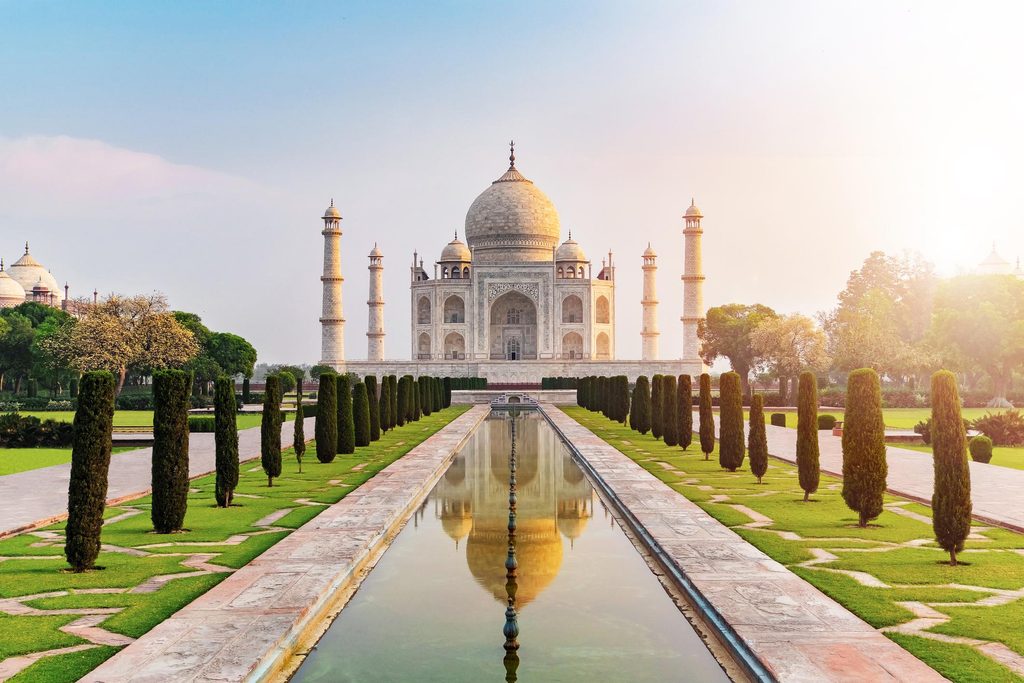
The Taj Mahal is one of the most beautiful and admired monuments in the world. Located in Agra, India, this magnificent structure attracts millions of tourists from different countries every year. Its stunning white marble, detailed artwork, and beautiful gardens make it a true architectural masterpiece.
However, the Taj Mahal offers much more than a beautiful appearance. Behind its grand design lies a fascinating history filled with love, creativity, mystery, and remarkable craftsmanship. From interesting construction details to popular historical legends, here are 12 amazing secrets of the Taj Mahal that you may not know.
1. 🏛️ It Took More Than 20 Years to Build the Taj Mahal
Shah Jahan began constructing the Taj Mahal in 1632 to honour his beloved wife, Mumtaz Mahal. Thousands of skilled workers, architects, artists, and craftsmen worked together on this enormous project. They completed the main mausoleum in 1648. However, the surrounding buildings, gardens, gateways, and other parts of the complex took several more years. The entire project reached completion around 1653.
2. ❤️ Shah Jahan Built It in Memory of Mumtaz Mahal
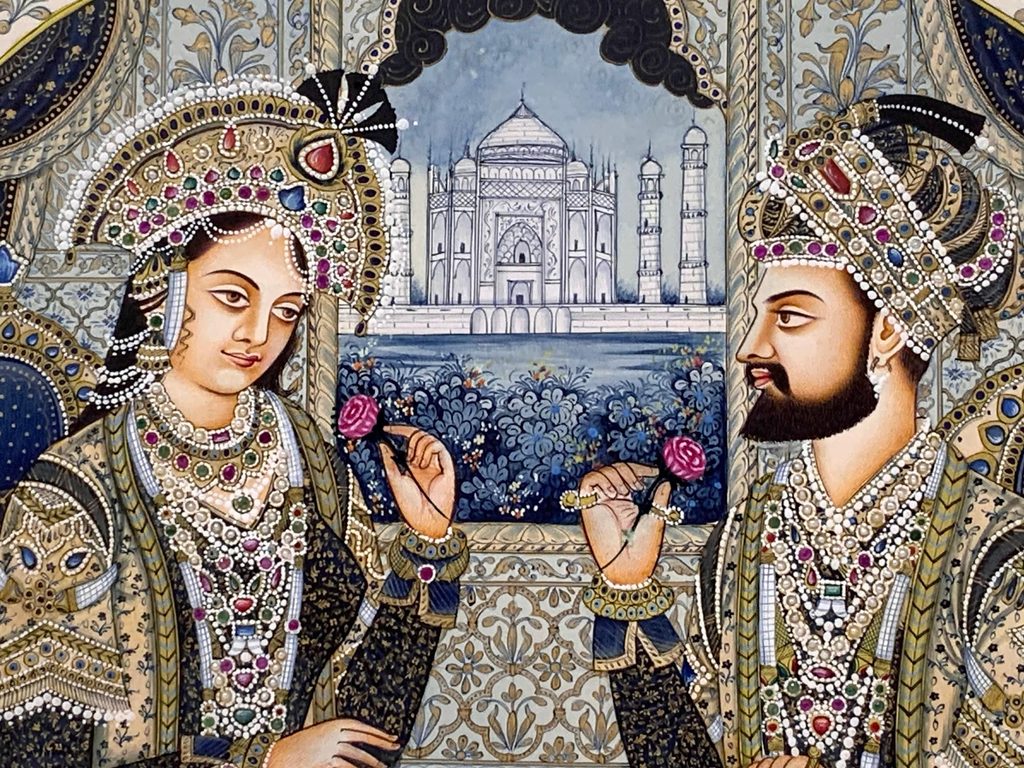
The Taj Mahal tells a touching story of love between Mughal emperor Shah Jahan and his wife, Mumtaz Mahal. She died in 1631 while giving birth to their 14th child. Her sudden death deeply affected Shah Jahan. Therefore, he decided to create a magnificent monument in her memory. Even today, people around the world recognise the Taj Mahal as a timeless symbol of love and devotion.
3. 🌊 The Taj Mahal Stands Beside the Yamuna River
The Taj Mahal stands on the right bank of the Yamuna River in Agra, Uttar Pradesh. Its beautiful complex covers nearly 17 hectares and includes gardens, fountains, pathways, gateways, and several buildings. Moreover, the river creates a peaceful setting around the monument. Its reflection also adds to the beauty of the Taj Mahal, especially when visitors admire it from across the water.
4. 🕌 Ustad Ahmad Lahori Led the Architectural Design
The Taj Mahal represents the combined efforts of many talented architects, engineers, artists, and craftsmen. However, historical and UNESCO sources recognise Ustad Ahmad Lahori as its principal architect. Skilled workers from different parts of the Mughal Empire and beyond contributed to its construction. Together, they created an extraordinary combination of Persian, Islamic, and Indian architectural styles that continues to inspire architects today.
5. 💎 Precious Stones Decorate Its Marble Walls
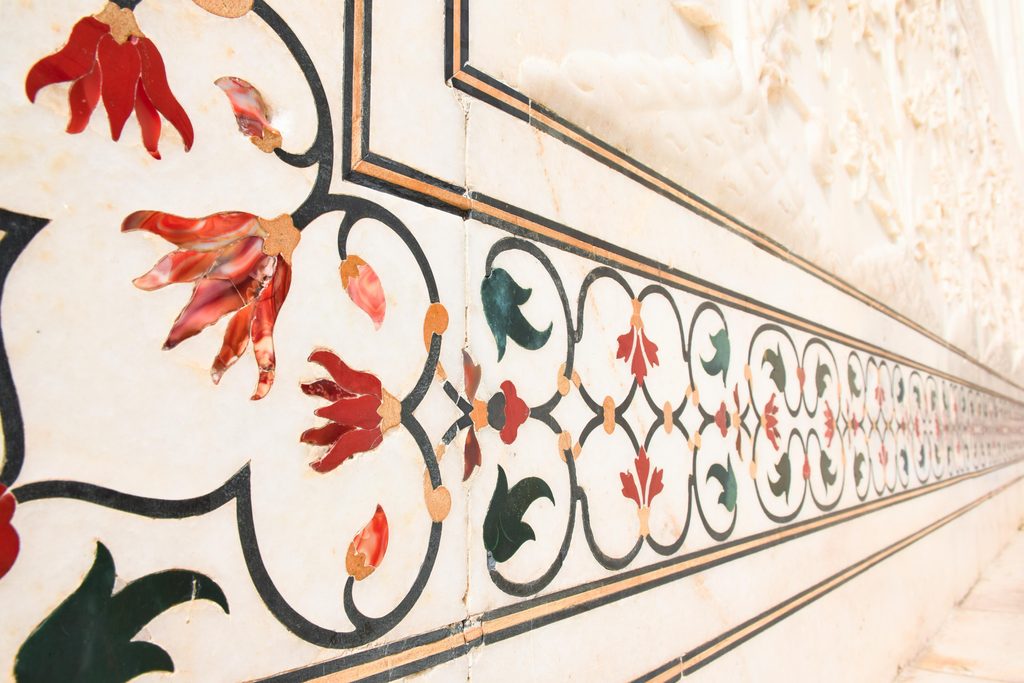
The Taj Mahal features a beautiful decorative technique known as Pietra Dura. Craftsmen used this method to place colourful precious and semi-precious stones into the white marble. They created delicate flowers, leaves, and attractive patterns with incredible precision. Moreover, these colourful designs give the monument a rich and elegant appearance. Visitors can still admire these detailed decorations on its walls and around its interior spaces.
6. ⚖️ The Taj Mahal Has One Interesting Symmetry Exception
The Taj Mahal follows a remarkably symmetrical architectural design. Its gardens, gateways, minarets, and central building create a perfectly balanced appearance. However, one interesting detail breaks this symmetry inside the main chamber. Shah Jahan’s cenotaph stands beside the cenotaph of Mumtaz Mahal rather than in a matching symmetrical position. This difference appeared because workers added Shah Jahan’s cenotaph after his death.
7. 🪦 The Real Graves Lie Beneath the Main Chamber
Many visitors see the beautifully decorated cenotaphs inside the Taj Mahal and assume that they mark the actual graves. However, the real graves of Mumtaz Mahal and Shah Jahan lie in a lower chamber beneath them. The upper cenotaphs serve as decorative memorials and feature beautiful marble craftsmanship. This arrangement allows visitors to admire the artistic details while the actual burial chamber remains separate.
8. 🏗️ Four Minarets Surround the Main Platform
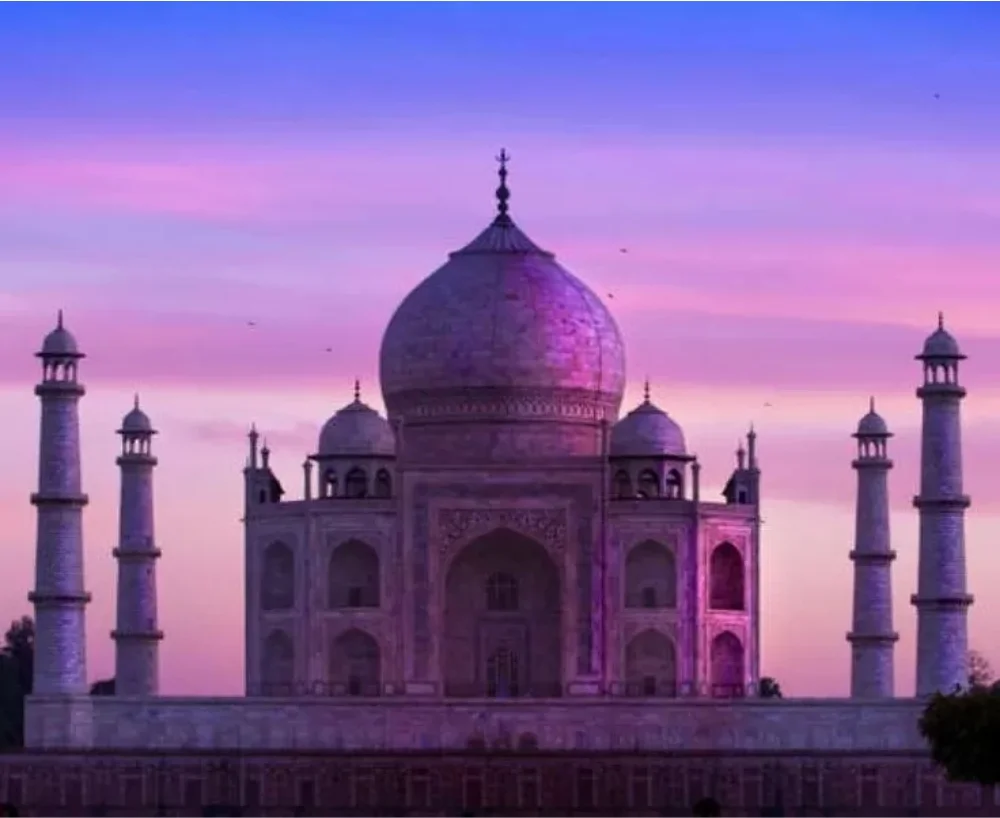
Four tall minarets stand at the corners of the Taj Mahal’s main platform. These impressive towers frame the central mausoleum and give the entire structure a balanced and graceful appearance. Each minaret adds height and elegance to the monument. In addition, their careful placement shows how Mughal architects combined beauty with thoughtful engineering. Together, the four towers make the Taj Mahal look even more majestic.
9. 🌅 The Taj Mahal Changes Colour Throughout the Day
One of the most fascinating features of the Taj Mahal is its changing appearance under natural light. The white marble reflects sunlight differently during different parts of the day. For example, visitors may notice a soft pink shade in the morning, a bright white appearance during the afternoon, and a warm golden glow around sunset. As a result, the monument offers a slightly different visual experience every time people visit it.
10. 🏰 The Black Taj Mahal Remains a Popular Mystery
A popular historical legend claims that Shah Jahan planned to build a second monument in black marble across the Yamuna River. People often call this imagined structure the Black Taj Mahal. According to the story, Shah Jahan wanted this black monument to serve as his own tomb. However, historians have not found reliable evidence that he ever started its construction. Nevertheless, this fascinating legend continues to attract the curiosity of history lovers.
11. 🖐️ The Story About Workers’ Hands Is Unproven
You may have heard the famous story that Shah Jahan ordered workers to cut off their hands after they completed the Taj Mahal. According to this popular tale, he wanted to make sure that nobody could build another monument like it. However, historians have found no reliable historical evidence to support this claim. Although the story sounds dramatic, it remains a legend rather than an established historical fact.
12. 🌍 UNESCO Recognised the Taj Mahal as a World Heritage Site
The Taj Mahal received UNESCO World Heritage Site status in 1983 because of its outstanding architectural and cultural importance. Later, in 2007, people selected it as one of the New Seven Wonders of the World. This recognition further increased its international popularity. Today, the monument attracts visitors, photographers, historians, and architecture enthusiasts from across the globe. It also remains one of India’s most treasured cultural landmarks.
Conclusion
The Taj Mahal is much more than a beautiful monument made from white marble. It represents a wonderful combination of love, history, art, and architectural excellence. Its fascinating history, romantic story, and detailed decorations make it one of the world’s most extraordinary landmarks. Moreover, every corner of this magnificent structure reveals something interesting about the Mughal era and the skilled craftsmen who created it.
Even after hundreds of years, the Taj Mahal continues to attract visitors from around the world. Its stunning marble, beautiful gardens, impressive domes, and intricate carvings leave everyone amazed. Whether you admire its changing colours, explore its detailed artwork, or learn about its historical mysteries, the Taj Mahal always offers something fascinating. It remains a timeless symbol of love and one of India’s greatest architectural treasures.