






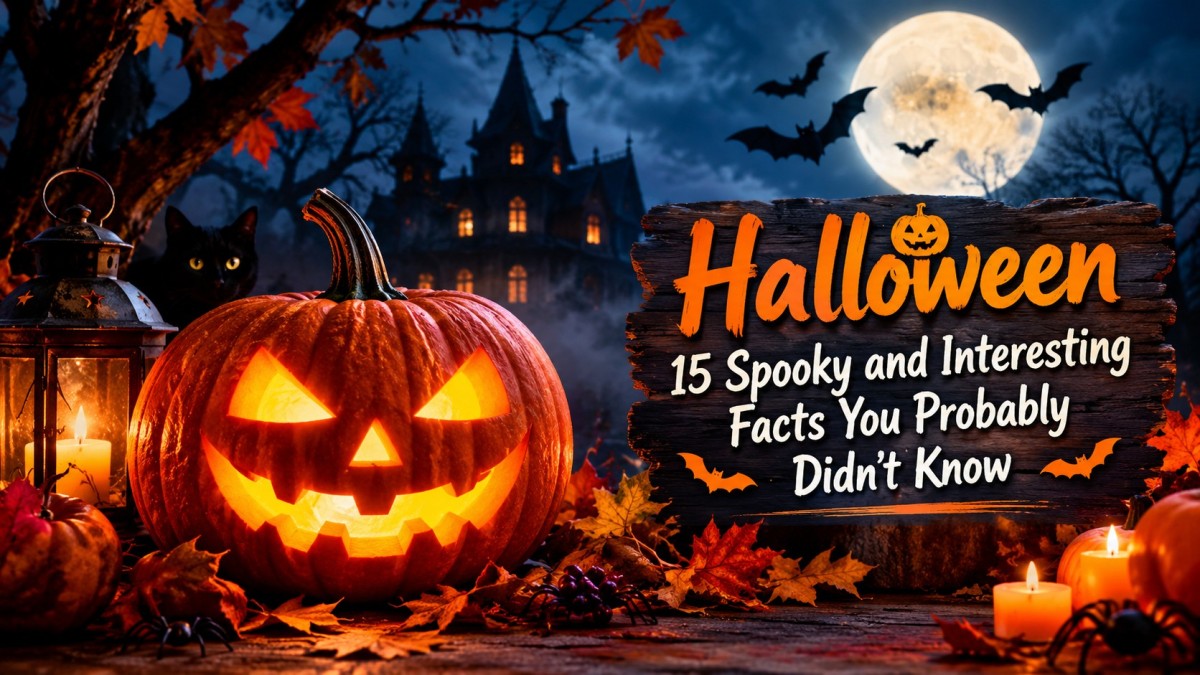
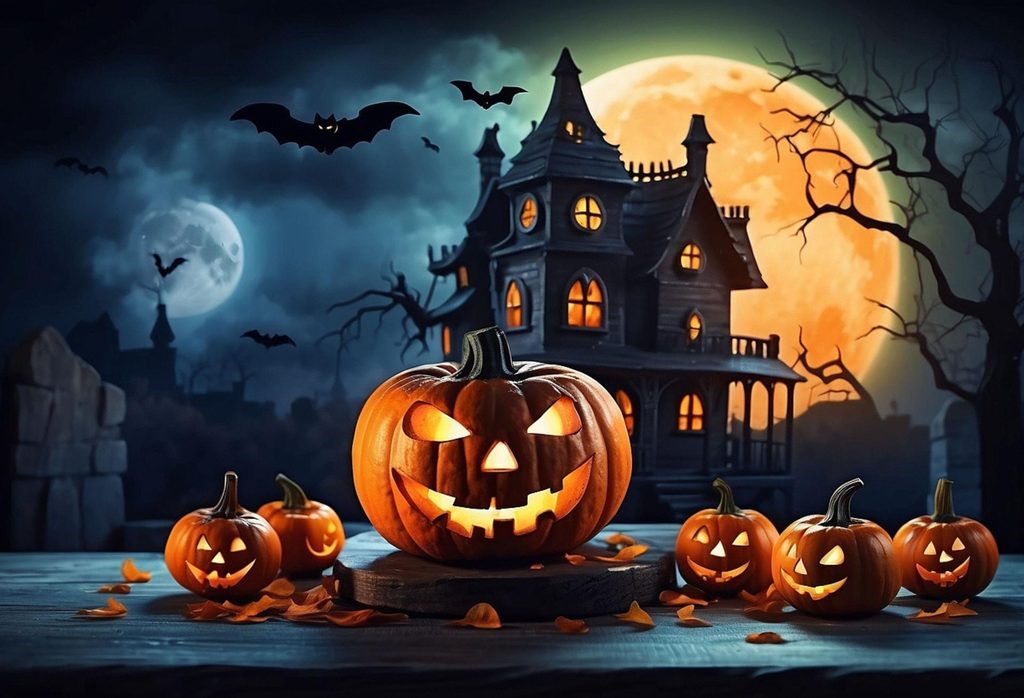
Halloween is one of the most exciting celebrations in the world. Every year on October 31, millions of people dress up in spooky costumes, carve pumpkins, decorate their homes, and enjoy delicious treats. But Halloween offers much more than candy and scary decorations!
In fact, this popular holiday has a fascinating history filled with ancient traditions, mysterious superstitions, and surprising facts. So, if you love spooky stories and unusual discoveries, these 15 interesting Halloween facts will surprise you!
👻 1. Halloween Has Ancient Origins
Halloween dates back more than 2,000 years to an ancient Celtic festival called Samhain. The Celts celebrated Samhain around the end of October to mark the transition from the harvest season to winter.
Moreover, they believed that spirits could cross into the world of the living during this time. As a result, Samhain became an important part of their seasonal traditions.
🎃 2. People Didn’t Always Carve Pumpkins for Halloween
Today, pumpkins represent Halloween. However, people in Ireland and Scotland originally carved turnips and other root vegetables into lanterns.
When Irish immigrants brought this tradition to North America, they discovered that pumpkins offered a better option. Pumpkins were larger, easier to carve, and widely available. Consequently, jack-o’-lanterns became a popular Halloween decoration.
🕷️ 3. Spiders Have a Spooky Connection to Halloween
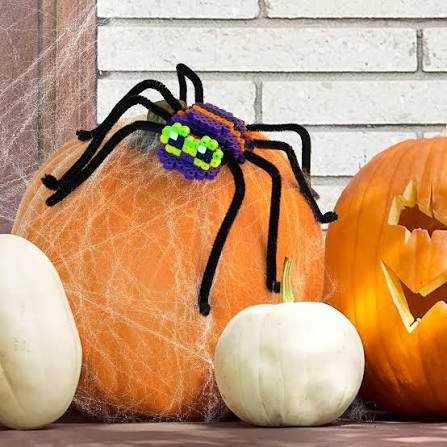
Spiders frequently appear in Halloween decorations because people associate them with dark corners, abandoned houses, and haunted places.
Additionally, some old folklore connects spiders with supernatural beliefs. For example, certain stories suggest that seeing a spider on Halloween could signal the presence of a deceased loved one. Although these stories belong to folklore, they add a mysterious touch to the holiday.
🐈⬛ 4. Black Cats Have a Mysterious History
Black cats have long appeared in stories about witches and magic. In parts of medieval Europe, people associated these animals with supernatural powers and mysterious events.
Over time, these beliefs helped turn black cats into familiar Halloween symbols. Today, however, black cats make wonderful pets, and their spooky reputation comes mainly from old superstitions.
🍬 5. Trick-or-Treating Began With Older Traditions
Trick-or-treating has roots in older European customs. In some communities, people went door to door asking for food or small gifts during seasonal celebrations.
Eventually, these customs evolved into the Halloween tradition we know today. Now, children wear costumes, visit neighbours, and collect sweets by saying, “Trick or treat!”
🧛 6. Halloween Costumes Have an Interesting History
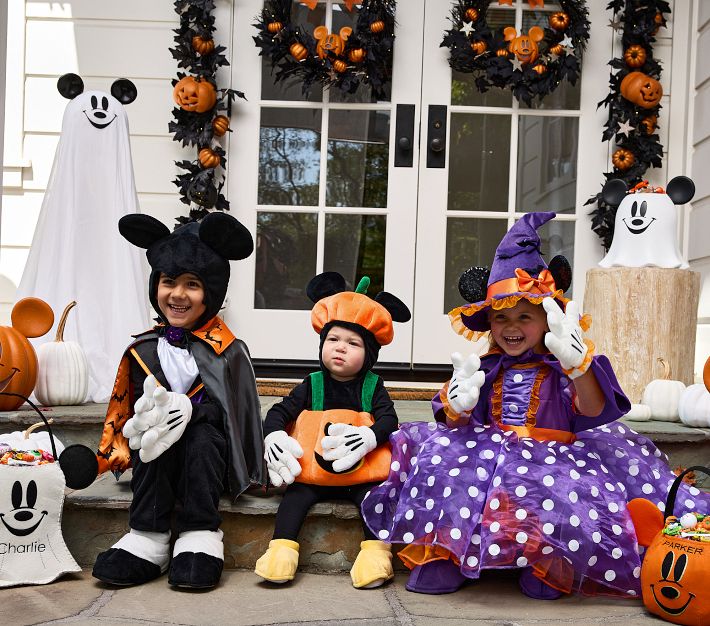
Have you ever wondered why people wear costumes on Halloween?
Some ancient Celtic traditions involved disguises and practices connected with beliefs about spirits. Later, communities developed their own seasonal customs, and costumes became an important part of Halloween celebrations.
Today, people dress as ghosts, vampires, witches, superheroes, and famous fictional characters. Furthermore, creative costumes allow friends and families to express their imagination while enjoying the holiday.
🌎 7. People Celebrate Halloween Around the World
Although Halloween remains especially popular in the United States, Canada, and Ireland, people in many other countries now celebrate it too.
For instance, some communities organise costume parties, haunted attractions, and themed events. Meanwhile, others enjoy Halloween decorations, special foods, and activities for children. As a result, Halloween continues to reach new audiences around the world.
🦇 8. Bats Became Popular Halloween Symbols
Bats often appear in Halloween decorations because they fly at night and feature prominently in spooky stories.
Interestingly, outdoor gatherings and bonfires may attract insects, which can attract bats looking for food. Over time, this association with nighttime helped strengthen the bat’s connection with Halloween imagery.
🧙 9. Witches Are Famous Halloween Characters
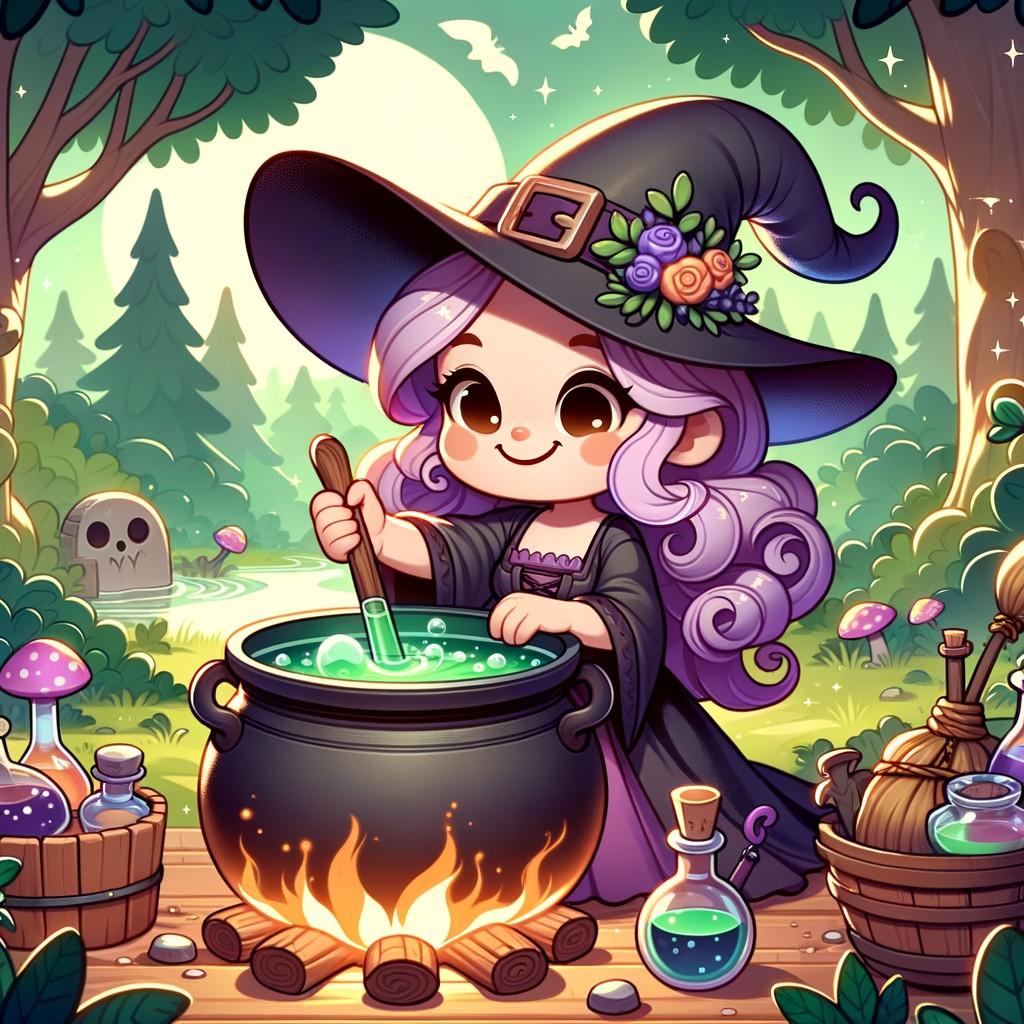
Pointed hats, broomsticks, magical potions, and bubbling cauldrons make witches instantly recognisable Halloween characters.
However, these familiar images developed over centuries through folklore, literature, and popular entertainment. Today, witches appear everywhere during Halloween, from decorations and costumes to films and themed parties.
💀 10. The Word Halloween Has a Religious Origin
The name Halloween comes from the phrase “All Hallows’ Eve.” This phrase refers to the evening before All Saints’ Day, a Christian observance on November 1.
Over time, people shortened and adapted the phrase into the word Halloween. Therefore, the holiday’s name reflects an important connection between its history and religious traditions.
🕸️ 11. Orange and Black Are Traditional Halloween Colours
Orange and black dominate Halloween decorations for good reason.
Orange represents autumn leaves, pumpkins, and the harvest season. In contrast, black suggests darkness, nighttime, and mystery. Together, these colours create the distinctive atmosphere that people associate with Halloween.
🧟 12. Horror Movies Helped Popularise Zombies
Zombies have become a familiar sight at Halloween parties and costume events. However, their modern appearance comes from a combination of folklore, horror literature, and films.
Over the years, movies and television have shaped the familiar image of the zombie. Consequently, zombie makeup and costumes remain popular choices for people who enjoy a frightening Halloween look.
🍎 13. Apples Play a Part in Halloween Traditions
Apple bobbing is a traditional Halloween party game that challenges participants to grab floating apples using only their mouths.
The game connects with older British and Irish seasonal customs. Today, families and friends still enjoy apple bobbing at Halloween parties, although some prefer newer games and activities.
🏚️ 14. Haunted Houses Make Halloween More Exciting
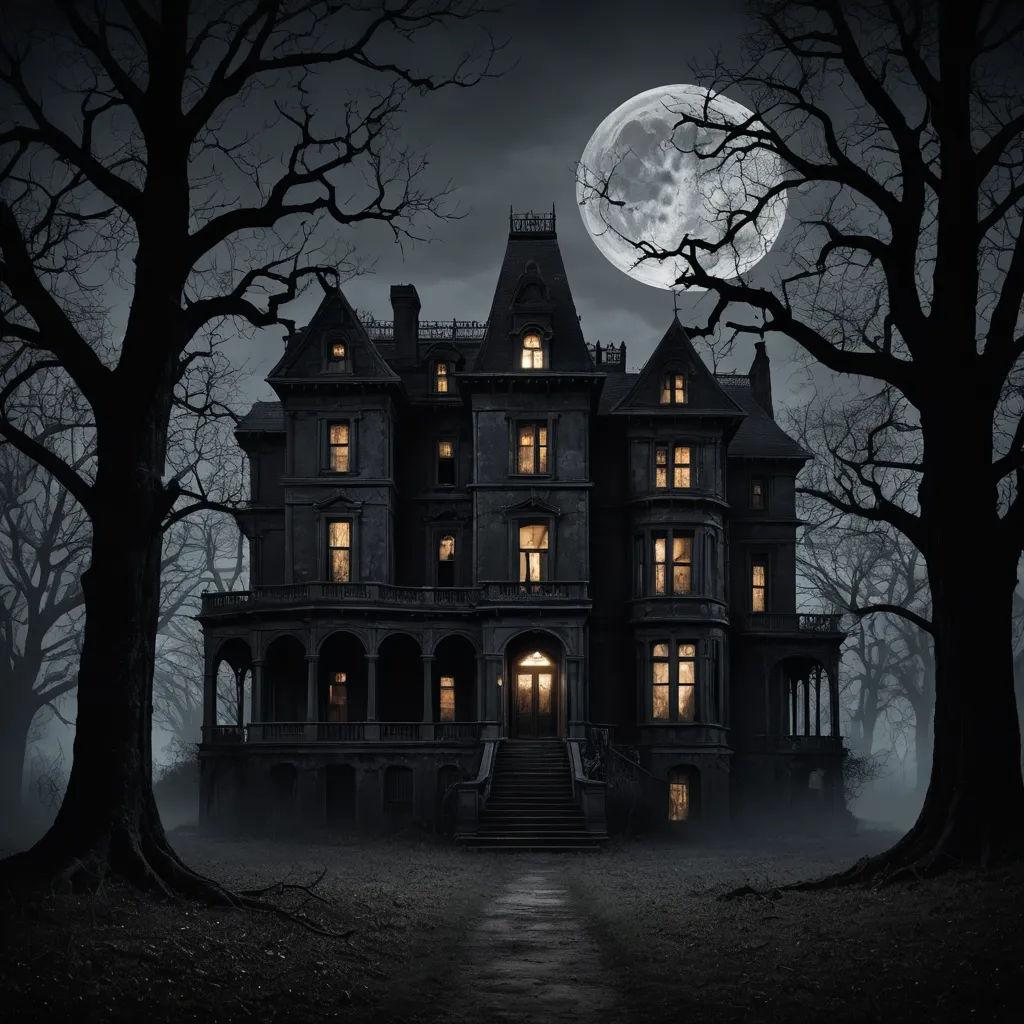
During Halloween, many attractions transform ordinary buildings into spooky experiences. They use dim lighting, eerie sounds, frightening decorations, and costumed actors to create an atmosphere of suspense.
Moreover, haunted houses let visitors experience the thrill of fear in a controlled environment. For this reason, they remain a popular attraction for people who enjoy horror and adventure.
🌙 15. Halloween Celebrates Creativity and Community
Halloween may feature ghosts, monsters, and frightening decorations, but the celebration also brings people together.
For example, families decorate their homes, friends attend costume parties, and children enjoy collecting treats. In addition, many communities organise festivals and themed activities that encourage people to participate.
Ultimately, Halloween offers a chance to have fun, express creativity, and share memorable experiences with others.
🎃 Conclusion: Discover the Fascinating World of Halloween
Halloween is much more than pumpkins, costumes, and candy. Its rich history connects ancient Celtic festivals, religious observances, folklore, and modern entertainment.
From the origins of trick-or-treating to the mysterious history of black cats, every tradition tells an interesting story. Furthermore, these facts show how Halloween has evolved over centuries while keeping its sense of mystery and excitement.
So, this October 31, take a closer look at the stories behind your favourite Halloween traditions. You might discover something surprising about this spooky celebration!
Which Halloween fact surprised you the most? 👻 Share your favourite fact with friends and enjoy a fun, spooky, and unforgettable Halloween!