







World Stroke Day raises awareness about stroke prevention, early warning signs and the importance of receiving immediate medical care. Observed every year on October 29, the day encourages people to understand the risk factors that can lead to a stroke and take practical steps to protect their health. Stroke can affect people of different ages, although the risk generally increases with age and certain medical conditions. Recognising the symptoms quickly and seeking emergency treatment can reduce the risk of death and long-term disability. The observance also highlights the need for better public education, access to treatment and rehabilitation services for stroke survivors.
🗓️ World Stroke Day 2026: Date and Significance
World Stroke Day falls on Thursday, October 29, 2026. The World Stroke Organization established the observance to bring global attention to stroke, a major cause of death and long-term disability. Healthcare professionals, hospitals, community organisations and public health advocates use this day to share information about prevention, symptoms and treatment.
The day reminds people that stroke requires urgent medical attention. Many people overlook early symptoms or delay seeking help because they do not recognise the seriousness of the condition. Public awareness can help individuals identify warning signs and respond quickly. World Stroke Day also encourages governments and healthcare systems to improve emergency response, expand access to specialised stroke care and support survivors throughout their recovery.
Also Read: Brazilian Model Larissa Responds to Allegations of Rahul Gandhi’s Vote Chori Connection
🧠 What Is a Stroke and Why Does It Require Immediate Treatment?
A stroke occurs when a blood vessel supplying the brain becomes blocked or bursts, disrupting the flow of oxygen and nutrients to brain cells. Without a sufficient blood supply, brain cells can begin to die, leading to potentially permanent damage. The World Health Organization identifies stroke as a major cause of death and disability worldwide. World Health Organization
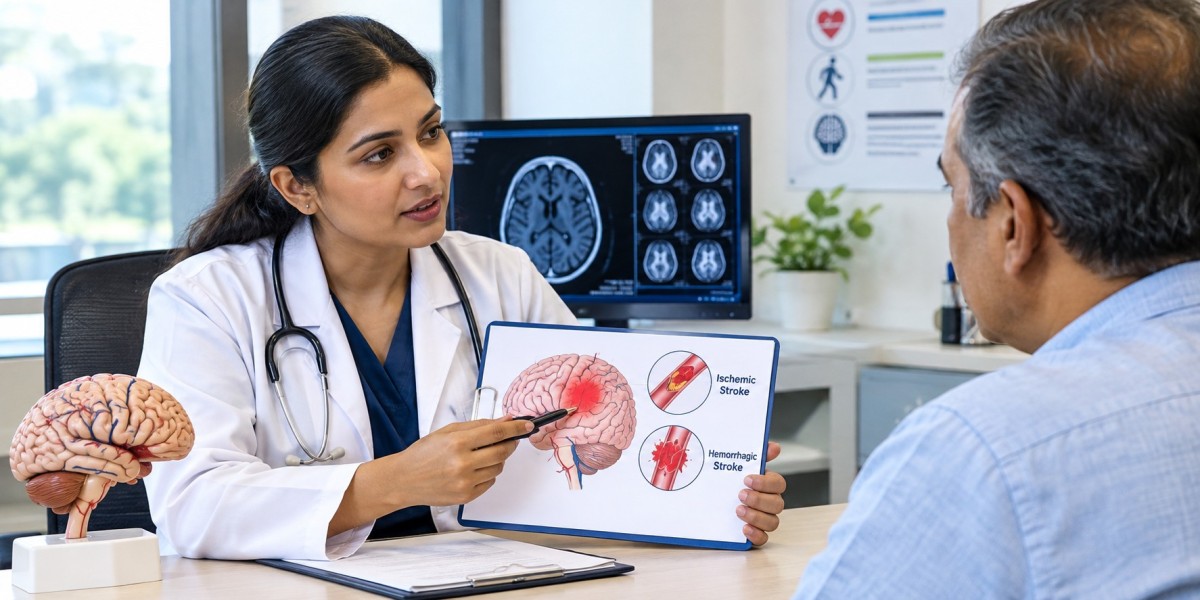
Doctors generally classify strokes into two main types. An ischaemic stroke occurs when a blood clot blocks a blood vessel supplying the brain. A haemorrhagic stroke occurs when a blood vessel ruptures and causes bleeding in or around the brain. Both types require emergency medical assessment, although their treatments differ. Doctors use brain imaging and other tests to determine the cause and choose the appropriate treatment.
A transient ischaemic attack, commonly known as a TIA or mini-stroke, can also produce stroke-like symptoms when blood flow to the brain becomes temporarily disrupted. Even if the symptoms disappear after a few minutes, people must seek urgent medical evaluation because a TIA can warn of a future stroke. World Health Organization
🚨 Warning Signs of Stroke: Remember BE FAST
The World Stroke Organization’s 2026 campaign, “Every Minute Counts,” highlights the importance of recognising stroke symptoms and acting immediately. The BE FAST method helps people identify common warning signs before the condition causes further damage. World Stroke Organization+1
B
Balance loss
Sudden dizziness, difficulty walking or loss of coordination may indicate a stroke.
E
Eye or vision changes
Sudden blurred vision, double vision or loss of sight in one or both eyes can signal a stroke.
F
Face drooping
One side of the face may droop or feel numb. Ask the person to smile and check whether the smile looks uneven.
A
Arm weakness
One arm may suddenly become weak or numb. Ask the person to raise both arms and check whether one drifts downward.
S
Speech difficulties
The person may slur words, struggle to speak or have difficulty understanding simple sentences.
T
Time to seek emergency help
Call emergency services immediately if any warning sign appears. Do not wait for symptoms to disappear.
Source: World Stroke Organization and American Stroke Association. World Stroke Organization+1
Other symptoms can include a sudden, severe headache without a known cause, confusion, numbness or difficulty swallowing. Symptoms can vary between individuals, so people should not wait for every sign to appear before seeking help.
🩺 Major Risk Factors That Increase Stroke Risk
High blood pressure remains one of the most important modifiable risk factors for stroke. Persistently elevated blood pressure can damage blood vessels and increase the likelihood of blockages or bleeding in the brain. Regular blood pressure checks and appropriate medical treatment can help reduce this risk. World Health Organization
Diabetes, high cholesterol, obesity and certain heart conditions can also increase the likelihood of a stroke. Conditions such as atrial fibrillation can cause blood clots to form in the heart and travel to the brain. People with these conditions should follow their doctor’s advice, attend regular check-ups and take prescribed medicines as directed.
Smoking, physical inactivity, an unhealthy diet and harmful alcohol consumption can further increase the risk. A diet high in salt and unhealthy fats can contribute to high blood pressure and cholesterol, while prolonged inactivity can affect cardiovascular health. Although people cannot change factors such as age or family history, they can address several lifestyle and medical risks through prevention and appropriate care. World Health Organization
❤️ How Can People Reduce the Risk of Stroke?
People can lower their risk by adopting healthier daily habits and managing existing medical conditions. Regular physical activity, a balanced diet rich in fruits and vegetables, adequate sleep and avoiding tobacco can support cardiovascular health. Adults should also limit salt intake and follow professional guidance on alcohol consumption.
Routine health checks can help identify high blood pressure, diabetes and high cholesterol before these conditions cause serious complications. People with heart disease or a previous stroke should discuss appropriate preventive treatment with their healthcare professionals. They should never stop prescribed medication or change its dosage without medical advice.
Families can also play an important role by learning the warning signs of stroke and understanding how to access emergency services. Recognising symptoms quickly can help someone receive medical care before further damage occurs. Prevention and awareness work best when individuals, families, healthcare providers and communities take action together. World Health Organization+1
⏱️ Why Timely Treatment Can Save Lives
Stroke treatment depends on the type of stroke, the affected area of the brain and the time since symptoms began. Hospitals use urgent brain imaging, including CT or MRI scans when appropriate, to determine whether a blood vessel is blocked or bleeding has occurred. This assessment helps doctors choose the safest and most effective treatment. World Health Organization
For eligible patients with an ischaemic stroke, doctors may use clot-dissolving medication or a procedure called mechanical thrombectomy to remove a clot. These treatments have specific eligibility criteria and time windows, so patients need emergency assessment as quickly as possible. Doctors manage haemorrhagic strokes differently, sometimes using medicines, intensive monitoring or surgery to control bleeding and pressure inside the skull.
Delays can allow brain damage to worsen and increase the risk of long-term disability. Anyone who suspects a stroke should call emergency services immediately, note the time symptoms began or when the person was last known to be well, and avoid driving the patient themselves if emergency transport is available. People should not give food, drink or medication, including aspirin, unless a medical professional advises it, because swallowing may be impaired and some strokes involve bleeding. World Health Organization+1
🌍 Conclusion: Every Minute Counts in the Fight Against Stroke
World Stroke Day 2026 highlights a simple but vital message: recognising stroke symptoms and seeking emergency medical care without delay can save lives. The annual observance encourages people to understand the warning signs, manage risk factors and support better access to stroke treatment and rehabilitation.
The campaign theme, “Every Minute Counts,” reminds everyone that time plays a critical role in stroke care. Individuals can make a difference by controlling blood pressure, maintaining healthy habits and learning the BE FAST warning signs. Families and communities can help by responding quickly when symptoms appear and encouraging people to seek immediate medical attention.
On October 29, World Stroke Day offers an opportunity to share reliable health information and strengthen public awareness. A few minutes spent learning the signs of stroke could help someone recognise an emergency, act promptly and protect a life.