









shital

add_action( 'newsmatic_section_block_view_all_hook', 'newsmatic_section_block_view_all' );

Oldest reptile that could shed its tail to escape predators identified

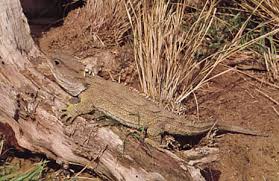
Scientists have identified ancient reptiles dating back to 289 million years ago that could detach their tails to escape the grasp of their predators – the oldest known example of such behaviour. The reptiles, called Captorhinus, weighed less than two kilograms and were smaller than the predators of the time. They were abundant in terrestrial…
Read More
add_action( 'newsmatic_section_block_view_all_hook', 'newsmatic_section_block_view_all' );

Plants better than tech for reducing air pollution

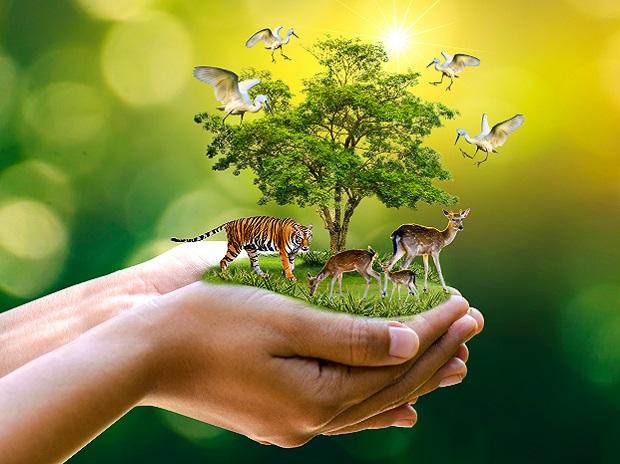
The study, published in the journal Environmental Science & Technology, also found that adding plants and trees to the landscapes near factories and other pollution sources could reduce air pollution by an average of 27 per cent. Plants and trees may be better and cheaper options than technology to mitigate air pollution, says a new…

Read More
add_action( 'newsmatic_section_block_view_all_hook', 'newsmatic_section_block_view_all' );

La Palma volcano eruption’s infernal beauty visible from space

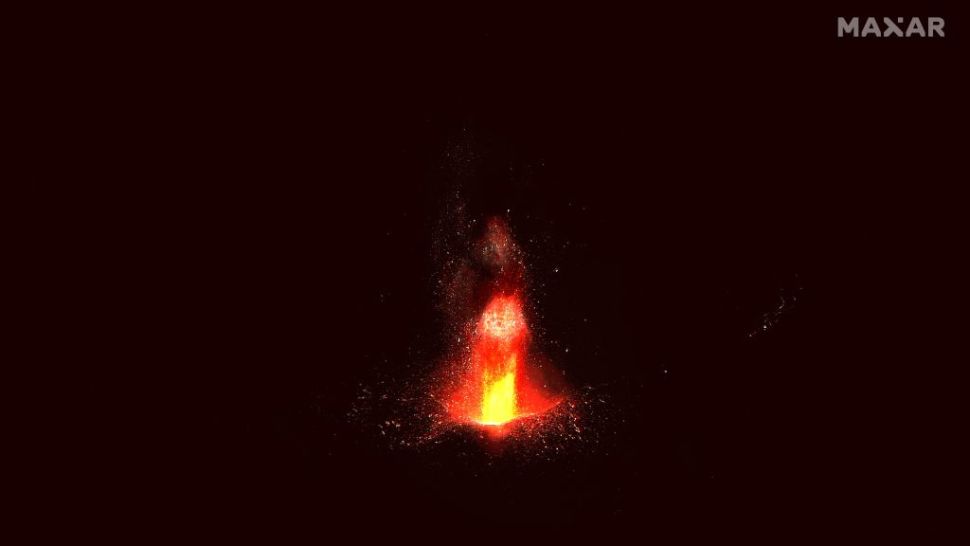
New astronaut and satellite images of an active volcano on the island of La Palma reveal the frightening beauty of the eruption, as well as its dangerous proximity to humans. La Palma Volcano Lava began gushing out of the Cumbre Vieja crater on the island, which is located off the coast of northwestern Africa and…

Read More
add_action( 'newsmatic_section_block_view_all_hook', 'newsmatic_section_block_view_all' );

Artificial Intelligence provides sharper images of lunar craters that contain water ice

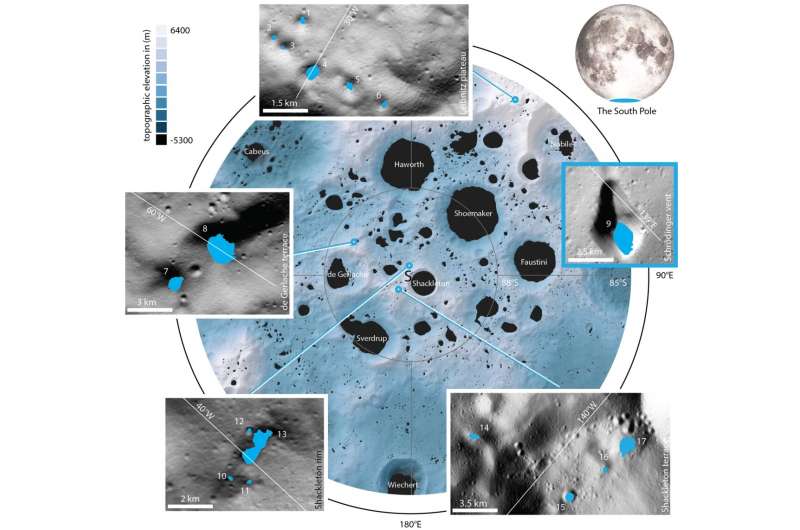
The moon‘s polar regions are home to craters and other depressions that never receive sunlight. Today, a group of researchers led by the Max Planck Institute for Solar System Research (MPS) in Germany present the highest-resolution images to date covering 17 such craters. Craters of this type could contain frozen water, making them attractive targets…

Read More
add_action( 'newsmatic_section_block_view_all_hook', 'newsmatic_section_block_view_all' );

Zoom Meetings Heading To VR

  One of the most popular teleconferencing programs in the world joins Facebook’s new vr co-working platform. Facebook today announced a partnership with Zoom Video Communications to bring the company’s popular teleconferencing software program to Horizon Workrooms, marking a major milestone for the recently released VR co-working platform.              …

Read More
add_action( 'newsmatic_section_block_view_all_hook', 'newsmatic_section_block_view_all' );

Hubble Snapshot of “Molten Ring” Galaxy

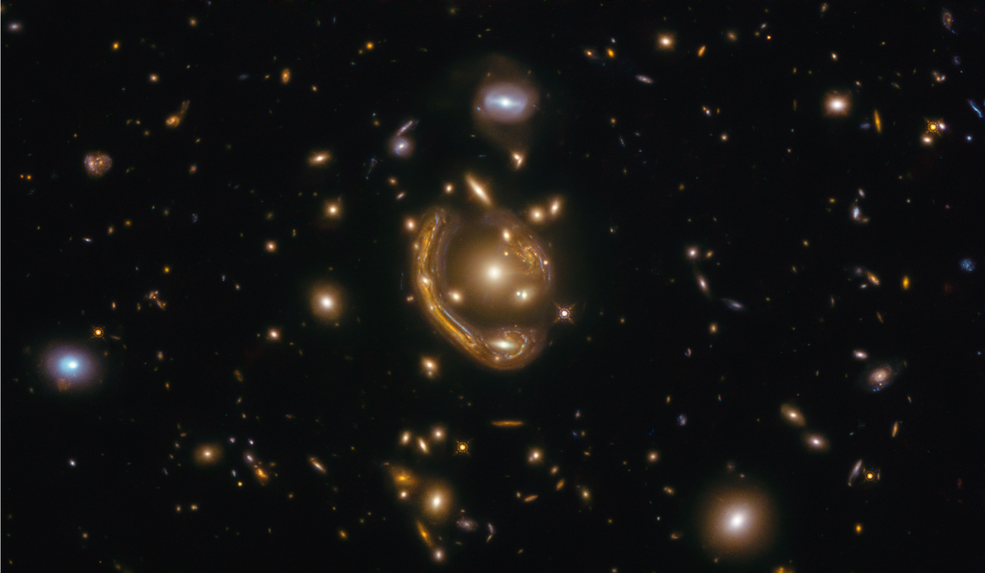
Hubble Space Telescope’s(HST) glamour shots of the universe are so revealing they nearly always have a discovery behind them. In this image, a remote galaxy is greatly magnified and distorted by the effects of gravitationally warped space. After its public release, astronomers used the picture to measure the galaxy’s distance of 9.4 billion light-years. This…

Read More
add_action( 'newsmatic_section_block_view_all_hook', 'newsmatic_section_block_view_all' );

vegetarian ants have steak knives for teeth, new study finds

  What do leafcutter ants and scores of middle-school students have in common? A mouth full of metal-laced teeth. Tiny arthropods such as ants, spiders and scorpions routinely bite, sting or otherwise pierce tough material like wood and skin. It’s a remarkable feat, given that humans have trouble chewing through so much as a piece…

Read More
add_action( 'newsmatic_section_block_view_all_hook', 'newsmatic_section_block_view_all' );

The pre-1947 History of the Indian Subcontinent

Indian History: According to consensus in modern genetics anatomically modern humans first arrived on the Indian subcontinent from Africa between 73,000 and 55,000 years ago. However, the earliest known human remains in South Asia date to 30,000 years ago. Settled life, which involves the transition from foraging to farming and pastoralism, began in South Asia…

Read More
add_action( 'newsmatic_section_block_view_all_hook', 'newsmatic_section_block_view_all' );

Will NASA’s Moon rover find enough of the ice it seeks?

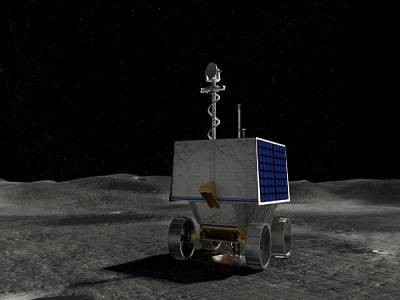
NASA plans to land its next lunar rover beside a crater, named Nobile, near the Moon’s south pole, the agency has announced. But some scientists question whether the mission, set to launch in 2023, will efficiently find the lunar ice that it’s looking for. The mission, known as the Volatiles Investigating Polar Exploration Rover (VIPER),…

Read More
add_action( 'newsmatic_section_block_view_all_hook', 'newsmatic_section_block_view_all' );

Mars habitability limited by its small size, isotope study suggests

Water is essential for life on Earth and other planets, and scientists have found ample evidence of water in Mars’ early history. But Mars has no liquid water on its surface today. New research from Washington University in St. Louis suggests a fundamental reason: Mars may be just too small to hold onto large amounts…

Read More