









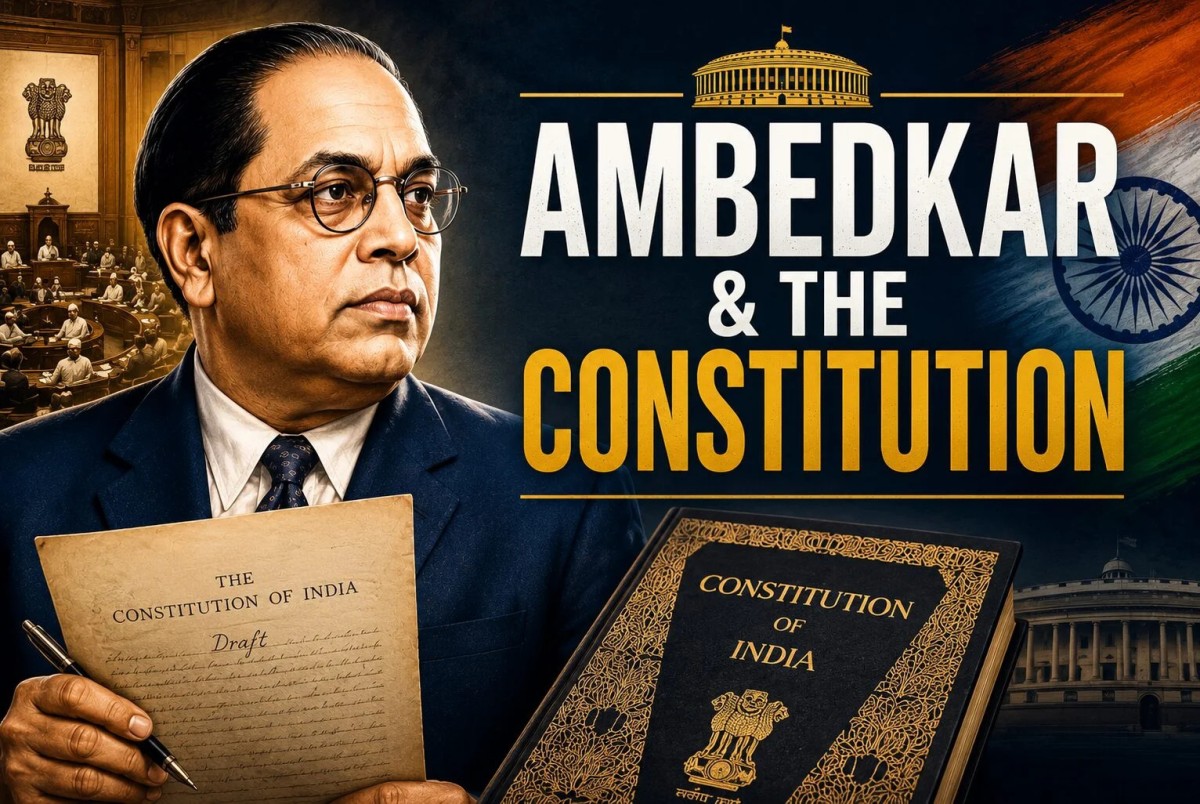
India celebrates Constitution Day, also known as Samvidhan Divas, every year on November 26 to honour the adoption of the Indian Constitution. This historic day reminds citizens of the vision, dedication and hard work that shaped the world’s largest democracy. On November 26, 1949, the Constituent Assembly formally adopted the Constitution of India, which came into effect on January 26, 1950.
Dr. B. R. Ambedkar played a significant role in drafting the Constitution and building the foundation of a democratic and inclusive nation. As the Chairman of the Drafting Committee, he helped shape a constitutional framework that protects citizens’ rights, promotes equality and establishes justice for everyone.
Constitution Day encourages every Indian to understand the values of democracy, freedom, equality and fraternity. It also reminds citizens that the Constitution does not simply establish laws; it provides the foundation for a fair, united and progressive India.
Also Read: Brazilian Model Larissa Responds to Allegations of Rahul Gandhi’s Vote Chori Connection
📜 History of Constitution Day: How India Adopted Its Constitution
The journey towards the Indian Constitution began during the freedom struggle, when Indian leaders recognised the need for a governing framework that would reflect the aspirations of an independent nation.
The Constituent Assembly held its first meeting on December 9, 1946. Dr. Sachchidananda Sinha served as its temporary chairman, while Dr. Rajendra Prasad later became its permanent president.
The Assembly brought together representatives from different regions, communities and backgrounds. These members discussed India’s political structure, citizens’ rights, responsibilities and the principles that would guide the newly independent country.
After nearly three years of discussions, debates and revisions, the Constituent Assembly adopted the Constitution on November 26, 1949. The Constitution came into force on January 26, 1950, a date India celebrates as Republic Day.
The government of India officially declared November 26 as Constitution Day in 2015 to commemorate the 125th birth anniversary of Dr. B. R. Ambedkar and promote awareness about constitutional values among citizens.
👨⚖️ Dr. B. R. Ambedkar: The Architect of the Indian Constitution
Dr. Bhimrao Ramji Ambedkar remains one of the most influential personalities in India’s constitutional and social history. Born on April 14, 1891, he dedicated his life to fighting social discrimination, promoting education and establishing equal rights for every individual.
His academic achievements, legal knowledge and understanding of social inequalities helped him make valuable contributions to constitution-making.
On August 29, 1947, the Constituent Assembly appointed Dr. Ambedkar as the Chairman of the Drafting Committee. He led the committee’s work and helped transform the Assembly’s decisions into a comprehensive constitutional document.
Dr. Ambedkar strongly believed that political democracy could not succeed without social and economic equality. He advocated fundamental rights, equal citizenship, constitutional remedies and safeguards for disadvantaged communities.
His contribution helped establish a constitutional system that recognises individual dignity and protects citizens against discrimination.
He also emphasised the importance of constitutional methods, democratic institutions and responsible citizenship. His vision continues to influence India’s legal system, governance and social development.
🏛️ The Constituent Assembly: The Team Behind the Constitution
Although Dr. Ambedkar played a central role in drafting the Constitution, the entire Constituent Assembly contributed to this historic achievement.
The Assembly included distinguished leaders, lawyers, scholars, freedom fighters and representatives from different sections of society. They examined constitutional models from various countries and adapted relevant principles to India’s unique social, political and cultural conditions.
Some prominent members and leaders included:
- Dr. Rajendra Prasad: President of the Constituent Assembly and later India’s first President.
- Jawaharlal Nehru: Introduced the Objectives Resolution, which influenced the Constitution’s guiding principles.
- Sardar Vallabhbhai Patel: Played an important role in discussions on fundamental rights, minorities and the integration of princely states.
- K. M. Munshi: Contributed to constitutional discussions and drafting.
- Alladi Krishnaswami Ayyar: Provided important legal and constitutional expertise.
- B. N. Rau: Served as the Constitutional Adviser and prepared an initial draft to support the Assembly’s work.
The Assembly debated and examined different provisions before reaching agreement. Its members worked to create a system that balanced individual freedoms, national unity and democratic governance.
The Constitution originally contained 395 Articles, 22 Parts and 8 Schedules, making it one of the most detailed constitutional documents in the world.
⚖️ Key Constitutional Values That Shape Modern India
The Indian Constitution establishes principles that guide the country’s institutions and protect the rights of its citizens.
1. Justice
The Constitution promises social, economic and political justice. It aims to create a society where every individual receives fair treatment and equal opportunities.
2. Liberty
It protects freedom of thought, expression, belief, faith and worship, subject to constitutional provisions and reasonable restrictions.
3. Equality
The Constitution guarantees equality before the law and prohibits discrimination on specified grounds. It also allows special provisions to promote the advancement of disadvantaged communities.
4. Fraternity
It encourages citizens to respect one another, preserve national unity and protect the dignity of every individual.
5. Democracy
The Constitution establishes a parliamentary democratic system in which citizens elect their representatives and participate in the country’s governance.
🇮🇳 Fundamental Rights and Duties: Understanding Citizens’ Responsibilities
The Constitution provides Fundamental Rights to protect individual freedom and human dignity. These rights help citizens participate in democratic life and seek justice when authorities violate their constitutional protections.
India’s Fundamental Rights include:
- Right to Equality
- Right to Freedom
- Right against Exploitation
- Right to Freedom of Religion
- Cultural and Educational Rights
- Right to Constitutional Remedies
The Constitution also establishes Fundamental Duties under Article 51A. These duties encourage citizens to respect the Constitution, national symbols and institutions, protect the environment, promote harmony and preserve India’s cultural heritage.
The government added Fundamental Duties through the 42nd Constitutional Amendment in 1976. The 86th Constitutional Amendment in 2002 added the duty of parents and guardians to provide educational opportunities to children between six and fourteen years of age.
🌟 Why Constitution Day Matters in Modern India
Constitution Day is more than a historical commemoration. It provides an opportunity to understand how constitutional principles influence everyday life.
The Constitution protects democratic institutions, establishes the responsibilities of government and provides citizens with legal safeguards. It also creates a framework for addressing social inequalities and promoting inclusive development.
Schools, colleges, government institutions and other organisations observe the day through Constitution-related activities, discussions, awareness programmes and readings of the Preamble.
These activities encourage young people to understand their rights and responsibilities. They also help citizens recognise the importance of respecting democratic institutions and following constitutional principles.
In a diverse country like India, constitutional values play a vital role in maintaining unity, encouraging mutual respect and protecting the rights of different communities.
📚 Interesting Facts About the Indian Constitution
Here are some important facts that make the Indian Constitution historically significant:
- The Constituent Assembly took approximately 2 years, 11 months and 18 days to complete the Constitution.
- The Assembly held 11 sessions during the constitution-making process.
- The Constitution was adopted on November 26, 1949.
- It came into effect on January 26, 1950.
- Dr. B. R. Ambedkar chaired the Drafting Committee.
- The original Constitution contained 395 Articles, 22 Parts and 8 Schedules.
- The original handwritten Constitution was written in both Hindi and English.
- Prem Behari Narain Raizada handwrote the original English Constitution.
- Nandalal Bose and other artists decorated the original manuscript with illustrations.
- The Constitution established India as a sovereign democratic republic, with the words socialist and secular added to the Preamble in 1976.
🔍 Conclusion: The Constitution Remains the Foundation of India’s Future
Constitution Day 2026 reminds every Indian of the vision, commitment and collective effort that shaped the nation’s democratic foundation. Dr. B. R. Ambedkar and the Constituent Assembly created a constitutional framework that continues to guide India’s political, social and legal institutions.
Their contribution established a system that protects fundamental rights, promotes equality and provides opportunities for citizens to participate in democracy.
However, the true strength of the Constitution depends not only on its provisions but also on how citizens and institutions uphold its principles. Every Indian has a responsibility to respect constitutional values, promote harmony and contribute to a just and inclusive society.
As India observes Constitution Day on November 26, the occasion offers an important reminder that understanding the Constitution, respecting its values and practising its principles are essential for building a stronger and more democratic India.
Also Read: World Goldfish Day: Interesting Facts About One of the World’s Most Popular Pet Fish