








The world is home to 195 countries, each with its own identity, culture and geographical features. Some countries cover millions of square kilometres, while others occupy surprisingly small areas. However, a country’s importance does not depend on its geographical size. Many small nations have rich histories, strong economies and unique traditions.
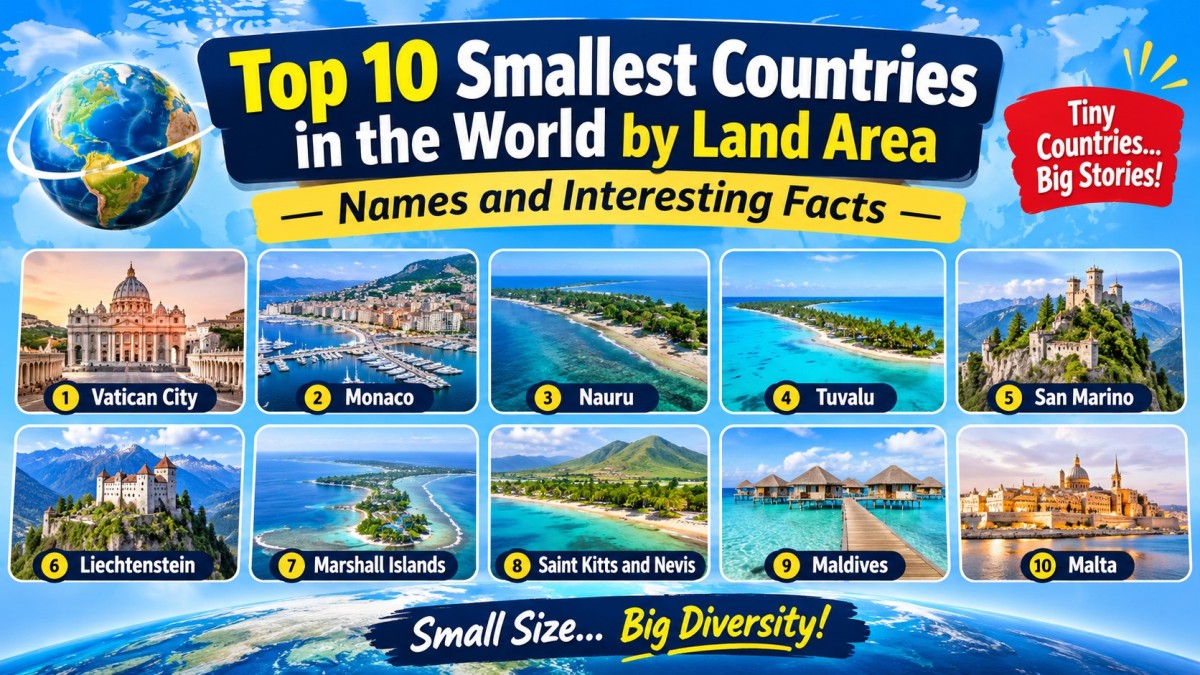
Some of these countries attract millions of international tourists every year. Others are known for their beautiful islands, historic monuments and distinctive lifestyles. Here is a look at the world’s 10 smallest countries by land area, along with their locations and interesting facts.
🌍 1. Vatican City – 0.49 Square Kilometres
Vatican City is the smallest independent country in the world. It covers approximately 0.49 square kilometres and lies entirely within Rome, Italy. The country serves as the headquarters of the Roman Catholic Church. It is also the residence of the Pope.
Despite its tiny size, Vatican City holds enormous religious and historical importance. St. Peter’s Basilica is one of its most famous landmarks. The Vatican Museums also attract visitors from across the world. These museums house priceless artworks, sculptures and historical collections. The country has its own postal service, security force and administrative system.
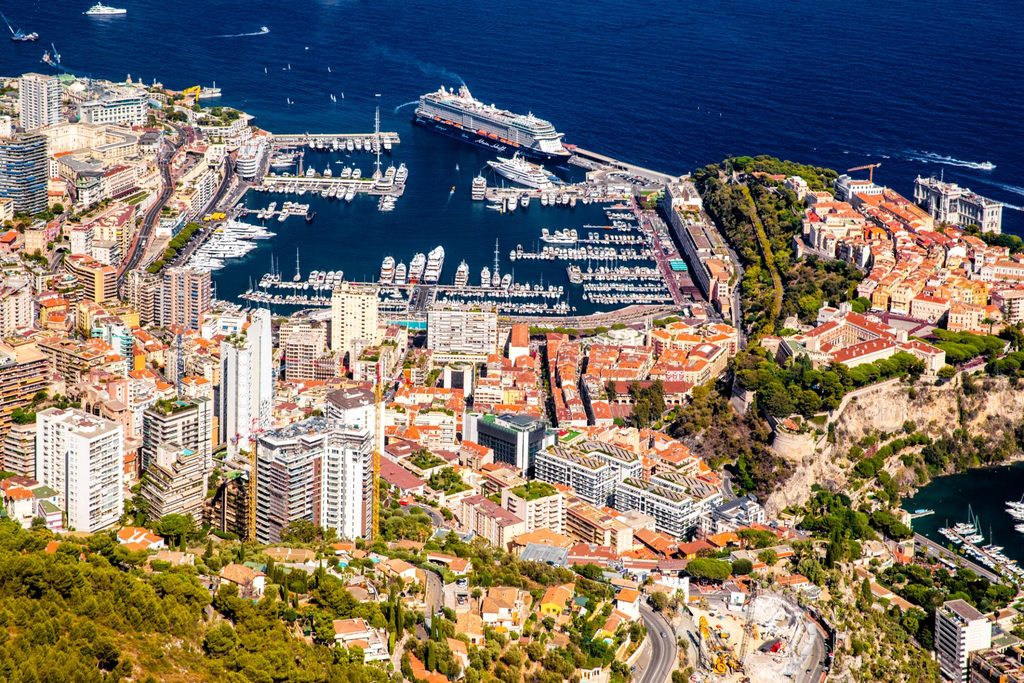
🇲🇨 2. Monaco – 2.08 Square Kilometres
Monaco is the second-smallest country in the world. It is located along the French Riviera, beside the Mediterranean Sea. The country shares its land border with France and is famous for luxury living. Its beautiful coastline, expensive properties and glamorous lifestyle attract wealthy visitors.
Monaco is also known for its famous Monte Carlo Casino. Another major attraction is the Monaco Grand Prix, which hosts Formula One racing. Despite its limited land area, Monaco has a high population density. It is also recognised for its tourism, banking and financial services.
🇳🇷 3. Nauru – 21 Square Kilometres
Nauru is a small island country in the Pacific Ocean. It covers approximately 21 square kilometres and is one of the world’s least-populated countries. Unlike most nations, Nauru does not have an officially designated capital city. Government offices are located in the Yaren district.
The country once earned significant income through phosphate mining. However, the decline of phosphate reserves created economic challenges. Nauru is surrounded by beautiful coastal waters and coral reefs. Its small size and remote location make it one of the world’s most distinctive island nations.
🇹🇻 4. Tuvalu – 26 Square Kilometres
Tuvalu is another tiny island nation in the Pacific Ocean. It consists of nine islands and coral atolls spread across a large ocean area. Its capital, Funafuti, is also its most populated area. The country is known for its peaceful island lifestyle and traditional communities.
However, Tuvalu faces serious environmental challenges. Rising sea levels and coastal erosion threaten its low-lying islands. Climate change has therefore become a major concern for its people. Despite these challenges, Tuvalu continues to preserve its cultural traditions and national identity.
🇸🇲 5. San Marino – 61 Square Kilometres
San Marino is a small landlocked country surrounded entirely by Italy. It is widely recognised as one of the world’s oldest republics. According to its traditional history, Saint Marinus founded the country in 301 AD. Its capital city also carries the name San Marino.
The country is famous for its historic architecture and mountain scenery. Three medieval towers stand on Mount Titano and remain important national symbols. Visitors also explore its narrow streets, museums and historic buildings. Despite its small geographical area, San Marino has a distinct political and cultural identity.
🇱🇮 6. Liechtenstein – 160 Square Kilometres
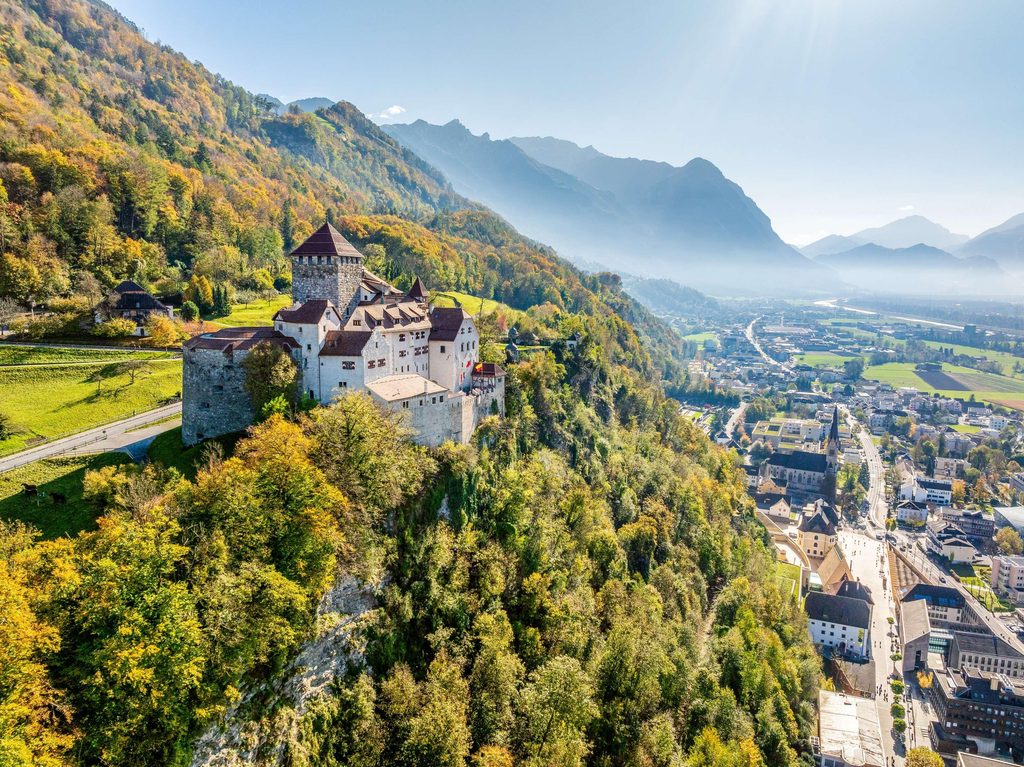
Liechtenstein is a small European country located between Switzerland and Austria. It is known for its beautiful Alpine landscapes, historic castles and peaceful towns. Its capital city is Vaduz, which also serves as the country’s political and administrative centre.
The country has a constitutional monarchy and a highly developed economy. Financial services, manufacturing and industry contribute to its economic strength. Vaduz Castle is one of its most recognised landmarks. Visitors also enjoy hiking, skiing and exploring the surrounding mountain scenery.
🇲🇭 7. Marshall Islands – 181 Square Kilometres
The Marshall Islands are located in the central Pacific Ocean. The country consists of 29 atolls and five individual islands. Its capital, Majuro, is situated on an atoll of the same name. The islands are known for their tropical climate and rich marine environment.
The country has a long history connected with ocean navigation and traditional island communities. Its coral reefs support diverse marine life. However, climate change and rising sea levels threaten several low-lying islands. The Marshall Islands also have a significant historical connection to nuclear testing conducted by the United States during the twentieth century.
🇰🇳 8. Saint Kitts and Nevis – 261 Square Kilometres
Saint Kitts and Nevis is a Caribbean country made up of two main islands. It lies in the eastern Caribbean Sea and is known for its tropical scenery. Its capital, Basseterre, is located on the island of Saint Kitts.
The country has a rich colonial history and several historic landmarks. Visitors can explore volcanic mountains, sandy beaches and old plantation estates. Tourism plays an important role in its economy. The islands are also popular for water sports, sailing and nature-based activities.
🇲🇻 9. Maldives – 300 Square Kilometres
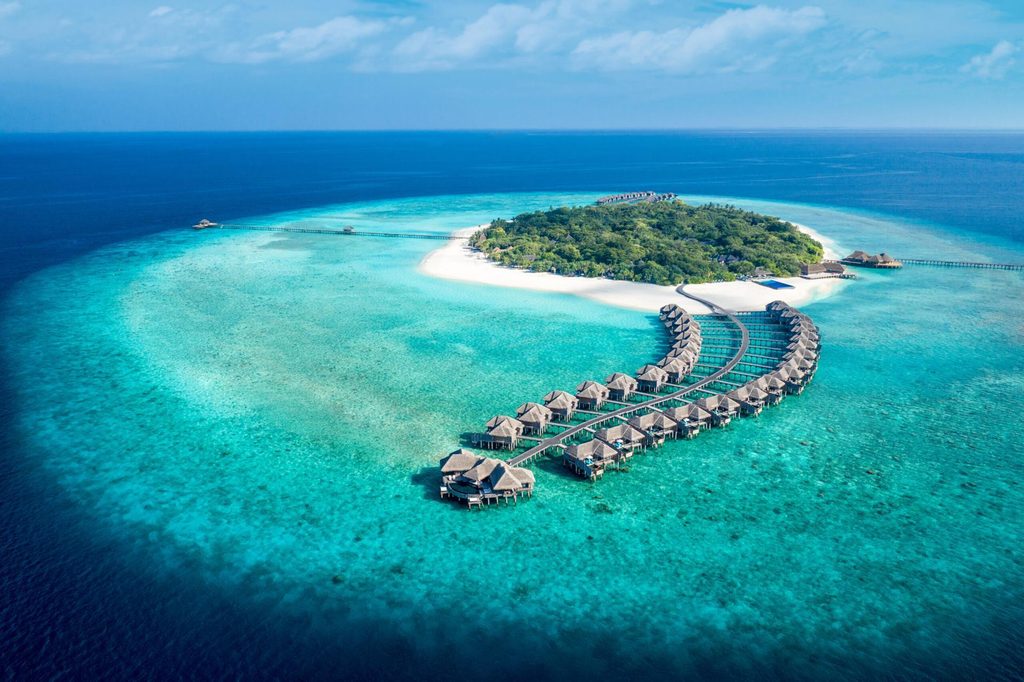
The Maldives is an island nation located in the Indian Ocean. It consists of more than 1,000 coral islands grouped into 26 natural atolls. Its capital city, Malé, is among the most densely populated island capitals in the world.
The country is internationally famous for its luxury resorts, white-sand beaches and clear blue waters. Snorkelling and scuba diving attract visitors interested in marine life. Tourism is one of the country’s major economic sectors. However, rising sea levels pose a serious long-term challenge because many islands sit only slightly above sea level.
🇲🇹 10. Malta – 316 Square Kilometres
Malta is a small island country located in the Mediterranean Sea. It consists of three main inhabited islands: Malta, Gozo and Comino. Its capital, Valletta, is famous for its historic buildings and cultural heritage.
The country has a history shaped by several ancient civilisations and European powers. Its architecture reflects influences from different historical periods. Malta is also known for its beautiful coastline, ancient temples and historic fortifications. Today, tourism, financial services and other industries contribute to its economy.
📌 Conclusion: Small Countries With Big Identities
These ten countries show that geographical size does not define a nation’s importance or global identity. Each has its own history, culture, traditions and economic strengths. Some are famous for religious landmarks and historic architecture, while others attract visitors with tropical beaches and beautiful mountain landscapes. Despite their limited land areas, several countries have developed strong tourism industries and unique economies.
From Vatican City, the world’s smallest independent country, to Malta, these nations offer fascinating examples of geographical and cultural diversity. They also highlight how different communities preserve their traditions and national identities. Their small land areas make them unique, but their influence, heritage and attractions extend far beyond their geographical size. Exploring these countries helps us understand the world’s remarkable diversity.