









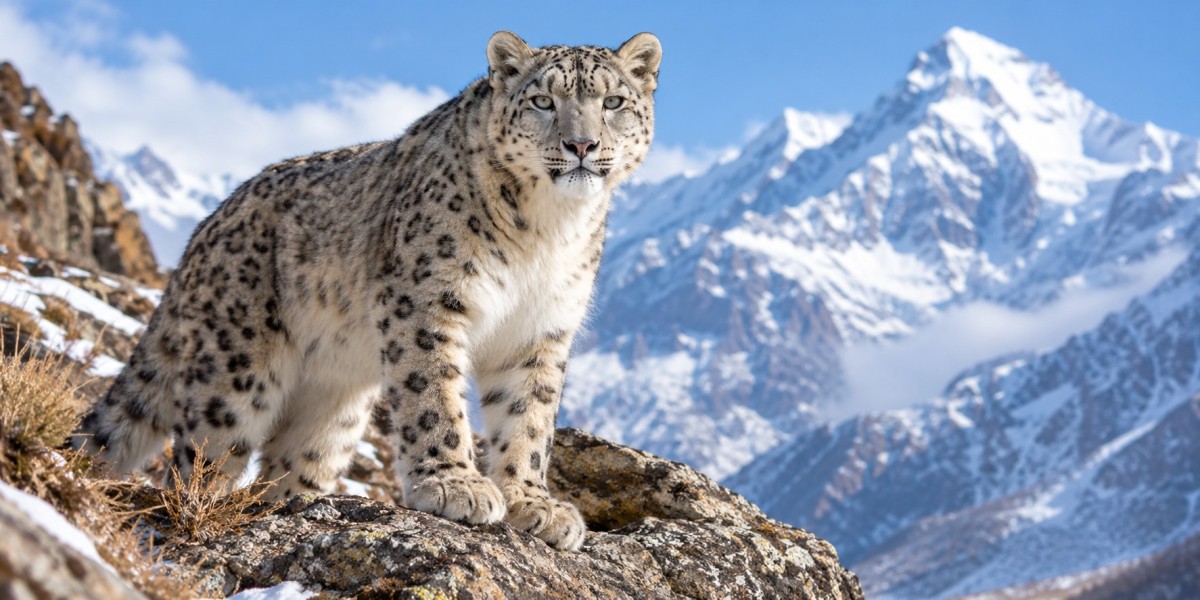
The International Day of the Snow Leopard, observed every year on October 23, highlights the urgent need to protect one of the world’s rarest and most elusive big cats. Known as the “ghost of the mountains,” the snow leopard survives in some of the harshest environments on Earth, where freezing temperatures, steep cliffs and rocky slopes make survival challenging. Its thick fur, powerful legs and long tail help it navigate high-altitude terrain and withstand extreme cold. The observance encourages governments, conservation organisations and local communities to work together to protect this remarkable animal. It also draws attention to the threats that continue to affect snow leopard populations, including habitat destruction, climate change, poaching and declining prey populations. Protecting this mountain predator is essential not only for wildlife conservation but also for maintaining the ecological balance of fragile mountain ecosystems.
Also Read: Brazilian Model Larissa Responds to Allegations of Rahul Gandhi’s Vote Chori Connection
Why Snow Leopards Are Important for the Environment
Snow leopards play a vital role in maintaining the natural balance of mountain ecosystems. They inhabit the high-altitude regions of 12 countries across Central and South Asia, including India, Nepal, Bhutan, China, Mongolia and Pakistan. These predators hunt wild animals such as blue sheep and ibex, helping regulate prey populations and maintain a healthier balance between species and vegetation. When predators disappear, changes in prey numbers can affect the wider food chain and place additional pressure on fragile mountain habitats. Snow leopards also serve as an indicator of ecosystem health because they need large, connected habitats and sufficient wild prey to survive. By protecting their natural environment, conservation efforts also help preserve mountain biodiversity, water resources and the livelihoods of communities that depend on these landscapes.
Major Threats That Put Snow Leopards at Risk
Snow leopards face several threats that make their survival increasingly difficult. Climate change affects mountain habitats by changing snowfall patterns, shifting vegetation and disrupting the distribution of wild prey. Human activities, including mining, road construction and expanding settlements, can fragment their habitats and restrict their movement. Poachers also target snow leopards for their fur and body parts, while illegal wildlife trade creates additional pressure on vulnerable populations. Another major challenge arises when snow leopards attack livestock in areas where wild prey has declined. Such incidents can cause financial losses for herders and sometimes lead to retaliatory killings. Conservation programmes must address these interconnected problems to protect snow leopards effectively. Governments and wildlife organisations need to strengthen anti-poaching measures, preserve natural habitats and help mountain communities reduce conflicts with predators.
Conservation Efforts That Can Help Save Snow Leopards
Wildlife experts, governments and local communities continue to develop conservation strategies to protect snow leopards and their habitats. Researchers use camera traps, GPS tracking and field surveys to study their movements, estimate populations and identify important breeding areas. Protected areas and wildlife corridors allow snow leopards to move between suitable habitats while reducing the impact of human development. Conservation organisations also work with livestock owners to introduce stronger animal enclosures, improve livestock management and reduce losses caused by predators. These practical measures can encourage communities to coexist with wildlife rather than view snow leopards as a threat. International cooperation also remains important because snow leopards cross national borders and require protection across their entire range. Governments can strengthen these efforts by supporting scientific research, enforcing wildlife protection laws and investing in community-led conservation programmes.
How International Day of the Snow Leopard Encourages Action
International Day of the Snow Leopard reminds people that protecting endangered wildlife requires consistent action throughout the year. Individuals can contribute by learning about snow leopard conservation, supporting credible wildlife organisations and raising awareness about illegal wildlife trade. Travellers can also respect protected areas and follow responsible wildlife tourism practices when visiting mountain regions. Schools, colleges and environmental groups can organise awareness campaigns to explain how predators support biodiversity and why habitat protection matters. At the policy level, governments must strengthen conservation programmes, protect mountain ecosystems and address the environmental effects of climate change. The survival of the snow leopard depends on cooperation between scientists, policymakers, conservationists and the communities that share its habitat. By protecting this elusive predator, the world can also safeguard the rich biodiversity and natural resources of Asia’s mountain landscapes for future generations.