









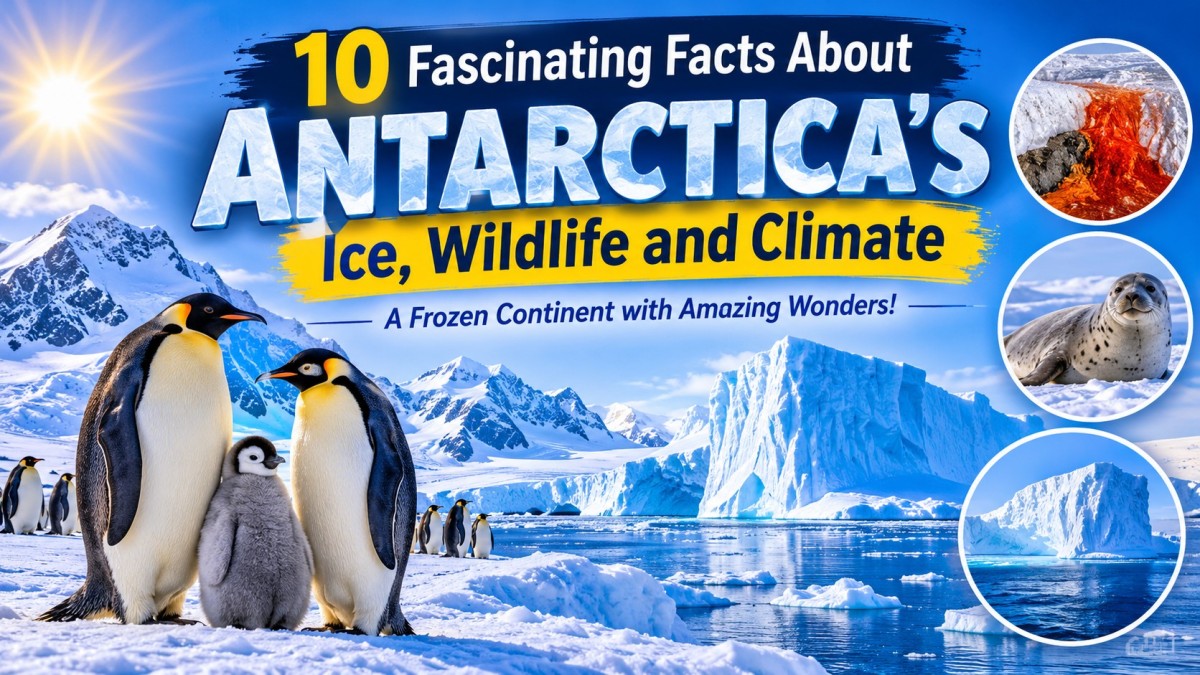
Antarctica is one of the most extraordinary places on Earth, known for its enormous ice sheets, extreme temperatures, fascinating wildlife and breathtaking frozen landscapes. Located around the South Pole, it is the coldest, driest and windiest continent on the planet. Although harsh weather makes human life challenging, Antarctica supports remarkable animals that have adapted to survive in freezing conditions. Moreover, the continent plays a crucial role in regulating global temperatures, ocean circulation and sea levels. Here are 10 fascinating facts about Antarctica’s ice, wildlife and climate that reveal why this frozen continent is so important.
🧊 1. Antarctica Holds Most of the World’s Ice
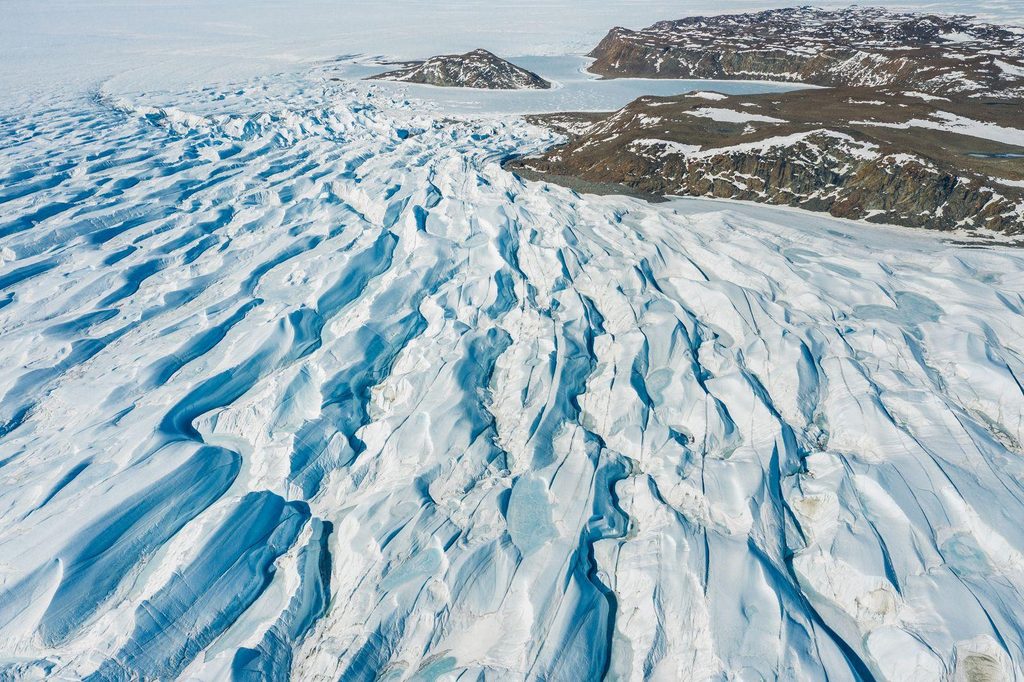
Antarctica contains approximately 90% of the world’s ice and around 70% of its fresh water. Its enormous ice sheet covers nearly the entire continent, reaching several kilometres thick in some places. This vast frozen landscape has developed over millions of years as snow accumulated and gradually compressed into ice.
Interestingly, Antarctica’s ice is not only important for its natural beauty but also for maintaining the balance of the global climate. If all the continent’s land ice melted, global sea levels would rise by approximately 58 metres. Such a dramatic rise would reshape coastlines and threaten coastal communities worldwide.
🥶 2. It Is the Coldest Place on Earth
Antarctica holds the record for the lowest directly measured air temperature on Earth. In July 1983, researchers recorded an astonishing −89.2°C at Russia’s Vostok Station. At such temperatures, exposed skin can freeze rapidly, and specialised clothing is essential for anyone working outdoors.
The continent’s extreme cold results from several factors, including its high elevation, long winter darkness and reflective ice surface. In addition, Antarctica receives relatively little direct solar energy during winter. These conditions make the interior far colder than most other regions on the planet.
🐧 3. Emperor Penguins Thrive in Extreme Cold
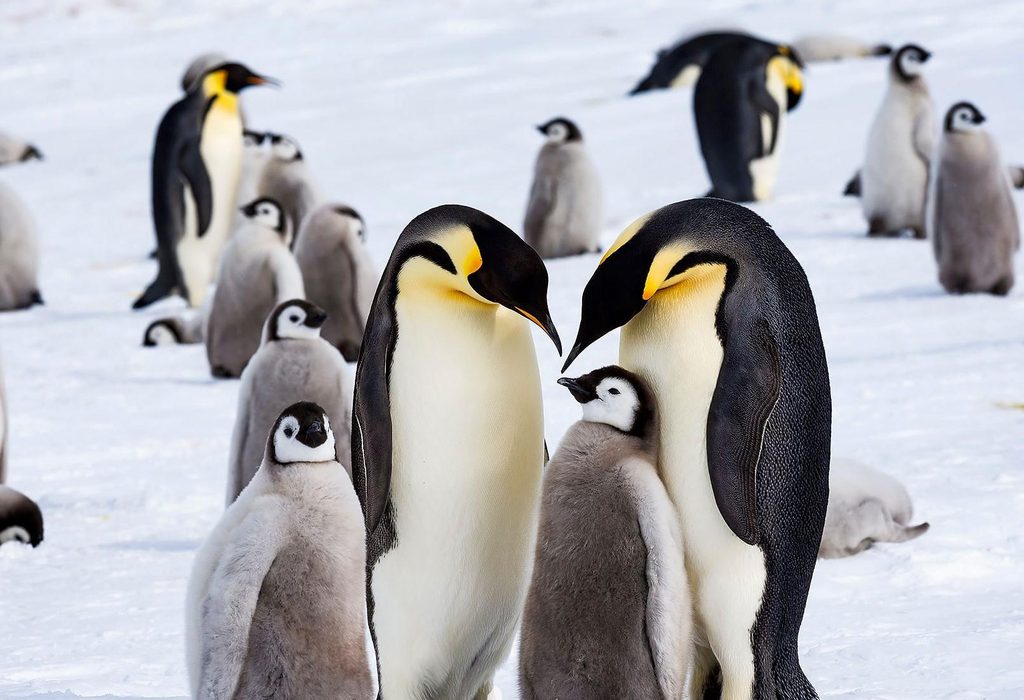
Emperor penguins are among the most recognisable animals in Antarctica. These remarkable birds survive freezing temperatures with dense, overlapping feathers and a thick layer of insulating fat. They also gather in large groups during winter to reduce heat loss and protect themselves from powerful winds.
One of the most fascinating aspects of their lives is their breeding behaviour. After the female lays an egg, the male balances it on his feet beneath a warm fold of skin while she returns to the ocean to feed. During this period, males can go for weeks without eating. Their extraordinary parenting behaviour helps emperor penguin chicks survive one of Earth’s harshest environments.
🌞 4. The Sun Can Shine for Months Without Setting
Antarctica experiences one of the most unusual daylight patterns on Earth. Because the planet is tilted on its axis, areas within the Antarctic Circle can experience continuous daylight during summer. This natural phenomenon is commonly known as the midnight sun, when the Sun remains visible even around midnight.
However, the situation changes dramatically during winter. Some locations experience prolonged darkness, with the Sun remaining below the horizon for weeks or months. These extreme seasonal changes affect wildlife behaviour, scientific research schedules and the daily routines of people working at Antarctic research stations.
🌬️ 5. Antarctica Is the World’s Largest Desert
Despite being covered in ice and snow, Antarctica is technically the largest desert in the world. A desert is defined by its low precipitation rather than its temperature. Much of the continent receives very little snowfall each year, especially in its cold, dry interior.
Furthermore, Antarctica’s interior contains vast areas where moisture is extremely limited. Strong winds can blow loose snow across the landscape, creating the appearance of constant storms even when little new precipitation falls. These dry conditions make Antarctica a valuable location for scientists studying extreme environments and the limits of life.
🦭 6. Seals Have Special Adaptations for Survival
Antarctica’s surrounding waters support several seal species, including Weddell seals, leopard seals and crabeater seals. These marine mammals have evolved specialised features that allow them to survive in icy oceans. Their thick layers of blubber provide insulation, while their streamlined bodies help them swim efficiently in search of food.
Different seal species also have different diets and hunting strategies. Leopard seals are powerful predators that feed on penguins and other animals, while crabeater seals mainly consume krill. Weddell seals can dive beneath sea ice to find food and maintain breathing holes through the ice, demonstrating their remarkable adaptation to life in extreme conditions.
🩸 7. Antarctica Has a Mysterious Red Waterfall
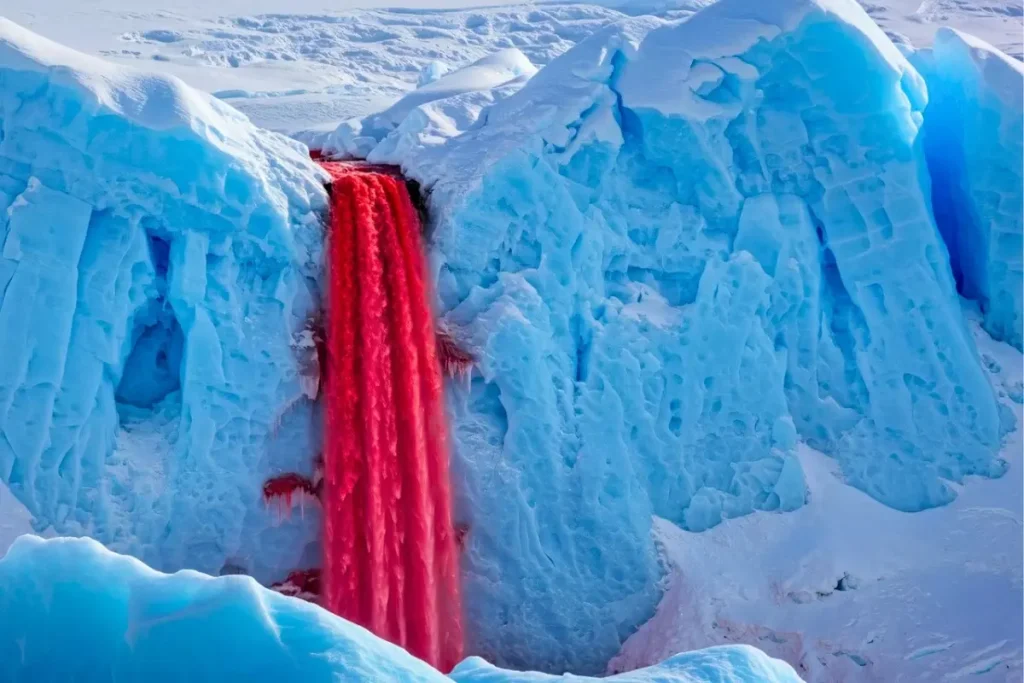
One of Antarctica’s strangest natural features is Blood Falls, a reddish flow emerging from Taylor Glacier in East Antarctica. At first glance, the bright red colour may look unusual against the surrounding white ice. However, the phenomenon has a scientific explanation rather than a mysterious or supernatural cause.
The colour comes from iron-rich, salty water that becomes reddish when exposed to oxygen. Scientists have studied this unusual environment to understand how microorganisms can survive in cold, salty conditions with limited sunlight. Blood Falls provides valuable clues about life in extreme environments and may help researchers understand whether similar conditions could support microbial life elsewhere in the solar system.
🧊 8. Antarctic Icebergs Can Be Larger Than Cities
Antarctica is famous for producing enormous icebergs that break away from glaciers and floating ice shelves. Some of these icebergs cover thousands of square kilometres, making them larger than many major cities. Their size and appearance can vary considerably, from towering blocks of ice to broad, flat-topped structures known as tabular icebergs.
Once separated from an ice shelf, an iceberg can drift through the Southern Ocean under the influence of currents and winds. Over time, warmer water, waves and changing weather conditions gradually break it apart. These icebergs are important parts of the Antarctic environment because they transport fresh water and influence nearby ocean conditions as they melt.
🌡️ 9. Antarctica Plays a Major Role in Earth’s Climate
Antarctica helps regulate the planet’s climate in several important ways. Its bright ice and snow reflect a large proportion of incoming sunlight back into space, reducing the amount of solar energy absorbed by Earth’s surface. This reflective effect, known as the albedo effect, helps keep the planet cooler.
In addition, the Southern Ocean surrounding Antarctica plays a vital role in global ocean circulation. As some seawater cools and becomes denser, it sinks and contributes to the movement of water masses around the world. This circulation helps distribute heat, oxygen and nutrients throughout the oceans. Changes in Antarctic ice and ocean conditions can therefore influence weather patterns, marine ecosystems and the global climate system.
🌊 10. Melting Antarctic Ice Can Raise Global Sea Levels
Antarctica is a major focus of climate research because changes in its ice sheets can affect sea levels worldwide. When ice resting on land flows into the ocean and melts, it adds water to the global ocean. This process contributes to sea-level rise, which can increase the risk of coastal flooding, erosion and saltwater intrusion.
Scientists monitor Antarctic glaciers, ice shelves and ocean temperatures to understand how quickly the ice sheet may change in the future. The rate of ice loss varies across the continent, and projections depend on future greenhouse gas emissions and other climate factors. Understanding these changes is essential for helping coastal communities prepare for long-term environmental risks.

🌍 Conclusion
Antarctica is far more than a remote continent covered in snow and ice. It is home to extraordinary wildlife, enormous glaciers, unusual natural wonders and some of the most extreme weather conditions on Earth. Its environment also provides scientists with valuable information about the history of our planet and the processes that influence the global climate.
From emperor penguins surviving freezing winters to giant icebergs drifting across the Southern Ocean, Antarctica demonstrates how life and natural systems adapt to challenging conditions. At the same time, changes in its ice sheets and surrounding waters can have consequences far beyond the continent itself.
Protecting Antarctica’s fragile environment and continuing scientific research are essential for understanding climate change, preserving marine ecosystems and preparing for future changes in sea levels. The more we learn about this remarkable frozen world, the better equipped we become to understand and protect our planet.