









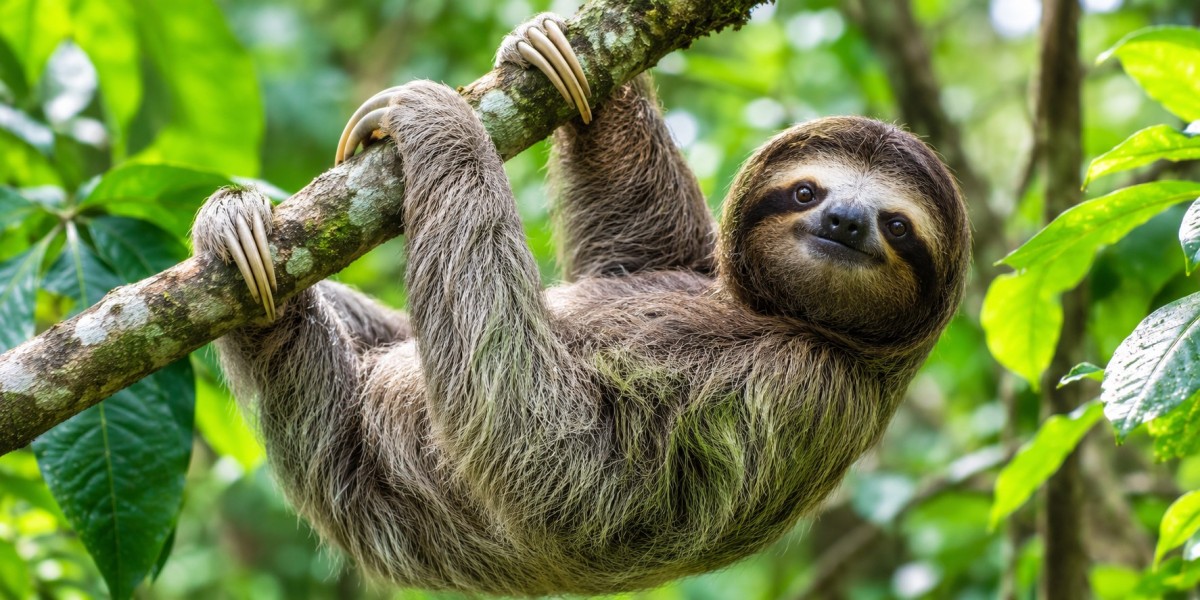
International Sloth Day 2026 will take place on Tuesday, October 20, bringing attention to one of the most fascinating mammals in the world. Sloths attract attention with their slow movements, long claws, and ability to spend much of their lives hanging upside down from tree branches. However, these animals offer much more than adorable appearances. Their unusual bodies, specialised diets, and rainforest habitats make them an important part of tropical ecosystems. The annual observance encourages people to learn about sloths, understand the threats they face, and support wildlife conservation. Animal protection organisations also use the occasion to promote responsible wildlife tourism and discourage activities that harm sloths in their natural environments.
Also Read: Brazilian Model Larissa Responds to Allegations of Rahul Gandhi’s Vote Chori Connection
🦥 History and Significance of International Sloth Day
The AIUNAU Foundation, a Colombian organisation dedicated to wildlife rescue and conservation, established International Sloth Day in 2010 to raise awareness about these remarkable animals. The observance has since gained attention among wildlife enthusiasts, conservation groups, educational institutions, and animal lovers worldwide. Every year, October 20 provides an opportunity to discuss sloth behaviour, habitat protection, and the challenges that threaten their survival. The day also reminds people that wild animals deserve protection rather than exploitation for entertainment or commercial purposes. Conservation organisations encourage communities to learn about sloths, share reliable information, and support initiatives that preserve tropical forests and protect wildlife.
🌿 Interesting Facts About Sloths
1. Sloths Move Slowly to Save Energy
Sloths move slowly because their leafy diet provides relatively little energy. Their bodies have adapted to conserve energy instead of maintaining the fast movements seen in many other mammals. Sloths spend much of their time resting, feeding, and moving carefully through the forest canopy. According to the World Wildlife Fund, their slow metabolism helps them survive on a diet that contains limited calories and nutrients. This distinctive lifestyle allows them to make the most of the food available in their tropical habitats.
2. They Spend Most of Their Lives in Trees
Sloths are excellent tree-dwellers that rely on forest canopies for food, shelter, and protection. Their long limbs and curved claws help them grip branches securely, even while hanging upside down. They move between branches to find leaves and suitable resting places, often remaining hidden among dense foliage. This tree-based lifestyle also helps them avoid some ground-level dangers. However, deforestation and fragmented forests can force sloths to cross roads or travel through unsafe areas, increasing their exposure to vehicles, power lines, and other hazards.
3. There Are Two Main Types of Sloths
Scientists classify living sloths into two groups: two-toed sloths and three-toed sloths. The names refer to the number of digits on their front limbs, as both groups have three toes on their hind feet. Although they share several physical features and behaviours, they belong to distinct evolutionary lineages. Different sloth species also vary in their diets, habitats, and daily activity patterns. Learning about these differences helps researchers understand their biology and develop conservation strategies suited to individual species.
4. Sloths Are Surprisingly Good Swimmers
Although sloths appear slow and relaxed on land, they can swim when necessary. Their long limbs help them move through water, and swimming allows some individuals to cross rivers or other water bodies in their natural habitats. This ability provides an additional way to navigate certain environments. Nevertheless, swimming does not protect sloths from the dangers associated with habitat destruction, polluted waterways, or human interference. Their survival still depends heavily on healthy forests and safe connections between suitable habitats.
5. Their Fur Supports a Tiny Ecosystem
Sloth fur can host algae, fungi, and small invertebrates, creating a distinctive relationship between the animal and other organisms. Certain algae can give their coats a greenish appearance, helping them blend into the surrounding vegetation. This camouflage can make sloths difficult for predators and observers to spot among leaves and branches. Researchers continue to investigate the relationships between sloths and the organisms living in their fur. These unusual associations demonstrate how even a single animal can support a small community of life.
6. Sloths Have a Slow Digestive Process
Sloths mainly eat leaves, which often contain substantial fibre and relatively little accessible energy. Their specialised digestive systems process this food slowly, allowing them to obtain nutrients from a challenging diet. Digestion can take several days and, in some cases, considerably longer, depending on the species and the food consumed. This process helps explain why sloths conserve energy and avoid unnecessary movement. Their feeding habits also show how animals develop specialised adaptations to survive on the resources available in their environment.
⚠️ Major Threats Facing Sloths
Despite their popularity, wild sloths face growing challenges as human activities change their habitats. Deforestation removes trees that provide food, shelter, and safe routes through the forest canopy. Roads and expanding settlements fragment habitats, forcing sloths to cross dangerous areas in search of resources. Power lines, vehicle collisions, attacks by domestic dogs, and the illegal wildlife trade create additional risks. Some tourism activities also expose sloths to stressful handling and inappropriate human contact. Conservation organisations stress that people should observe these animals responsibly and avoid treating wild sloths as pets or photo props.
🌎 How People Can Celebrate International Sloth Day 2026
People can celebrate International Sloth Day by learning about sloth species, sharing educational content, and supporting credible wildlife conservation organisations. Schools and colleges can organise awareness sessions, wildlife quizzes, poster-making activities, and discussions about rainforest protection. Families can explore documentaries and educational resources that explain how sloths live in the wild. Individuals can also support forest restoration, responsible tourism, and conservation programmes that protect wildlife corridors. Anyone interested in seeing sloths should choose ethical wildlife experiences that allow animals to remain undisturbed in their natural habitats. Small actions can help spread awareness and encourage greater respect for biodiversity.
💚 Conclusion: Protect Sloths and Their Rainforest Homes
International Sloth Day 2026 offers a valuable opportunity to appreciate these unusual mammals and understand why their survival matters. Sloths demonstrate how animals can adapt to specialised diets and environments, but their slow movements cannot protect them from the rapid changes caused by human activity. Preserving tropical forests, maintaining safe wildlife corridors, preventing illegal trade, and promoting responsible tourism can help protect sloths and many other species that share their habitats. As October 20 approaches, people can turn their interest in these charming animals into meaningful conservation action. Protecting sloths ultimately means protecting the rich biodiversity and fragile ecosystems on which countless living organisms depend.
Also Read: World Food Day 2026: Theme, Significance and Why Food Security Matters