










What if some of the most mysterious places on Earth were not hidden at all—but simply off-limits?
You can find these locations on maps and see pictures of them online. However, ordinary visitors cannot simply walk inside. Some places protect people or wildlife, while others guard valuable historical treasures or sensitive government operations.
From isolated islands to secretive military facilities, these locations offer a fascinating look at the places we can see but cannot freely explore.
Here are 12 real places around the world that ordinary people cannot freely visit.
1. North Sentinel Island, India 🇮🇳
North Sentinel Island sits in the Andaman and Nicobar Islands and is home to the Sentinelese, an Indigenous community that has remained largely isolated from the outside world.
The Indian government prohibits outsiders from entering the island and its surrounding protected waters. This rule helps protect the Sentinelese from diseases and unwanted outside contact.
Why can’t you visit?
🛑 To protect the Sentinelese and their isolated way of life.
2. Area 51, USA 🇺🇸
Area 51 remains one of the world’s most famous restricted locations. The secretive U.S. military facility has also inspired decades of UFO and alien stories.
However, the real reason for the restrictions is far less mysterious. The military protects the site because it has links to sensitive aircraft and defense activities.
Why can’t you visit?
🔐 Military security and classified activities.
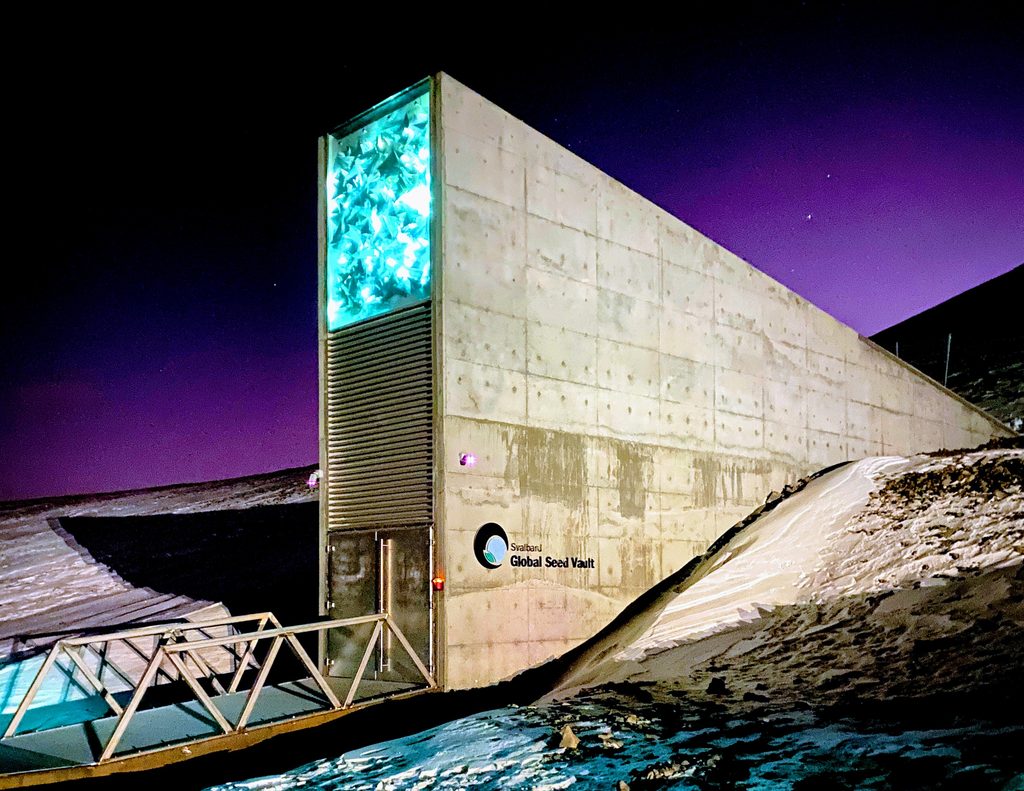
3. Svalbard Global Seed Vault, Norway 🇳🇴
Deep inside a mountain in Norway’s Arctic Svalbard lies the Global Seed Vault. It stores seeds from crops around the world to help protect agricultural diversity for the future.
Although visitors can see the famous entrance, they cannot simply enter the secure storage areas. Authorized personnel carefully control access to the vault.
Why can’t you visit?
🌱 To protect the world’s important crop seed collection.
4. Snake Island, Brazil 🇧🇷
Brazil’s Ilha da Queimada Grande, better known as Snake Island, has become famous for its large population of golden lancehead snakes.
These highly venomous snakes make the island extremely dangerous. Therefore, authorities restrict access, while researchers and authorized specialists may visit for specific purposes.
Why can’t you visit?
🐍 Dangerous wildlife and conservation.
5. North Brother Island, USA 🇺🇸
North Brother Island sits in New York City’s East River, surprisingly close to one of the world’s busiest cities. Despite its location, ordinary visitors cannot freely explore the abandoned island.
Over time, vegetation has taken over many parts of the site. Authorities also want to protect its wildlife and keep people away from potentially dangerous structures.
Why can’t you visit?
⚠️ Safety, preservation and wildlife protection.
6. Heard Island, Australia 🇦🇺
Heard Island lies in the remote Southern Ocean and forms part of Australia’s external territories. The island contains glaciers, volcanic landscapes and a remarkably untouched ecosystem.
Because the environment remains extremely sensitive, Australia strictly controls visits. In addition, the island’s remote location makes travel there challenging.
Why can’t you visit?
🌋 Environmental protection and extreme isolation.
7. Lascaux Cave, France 🇫🇷
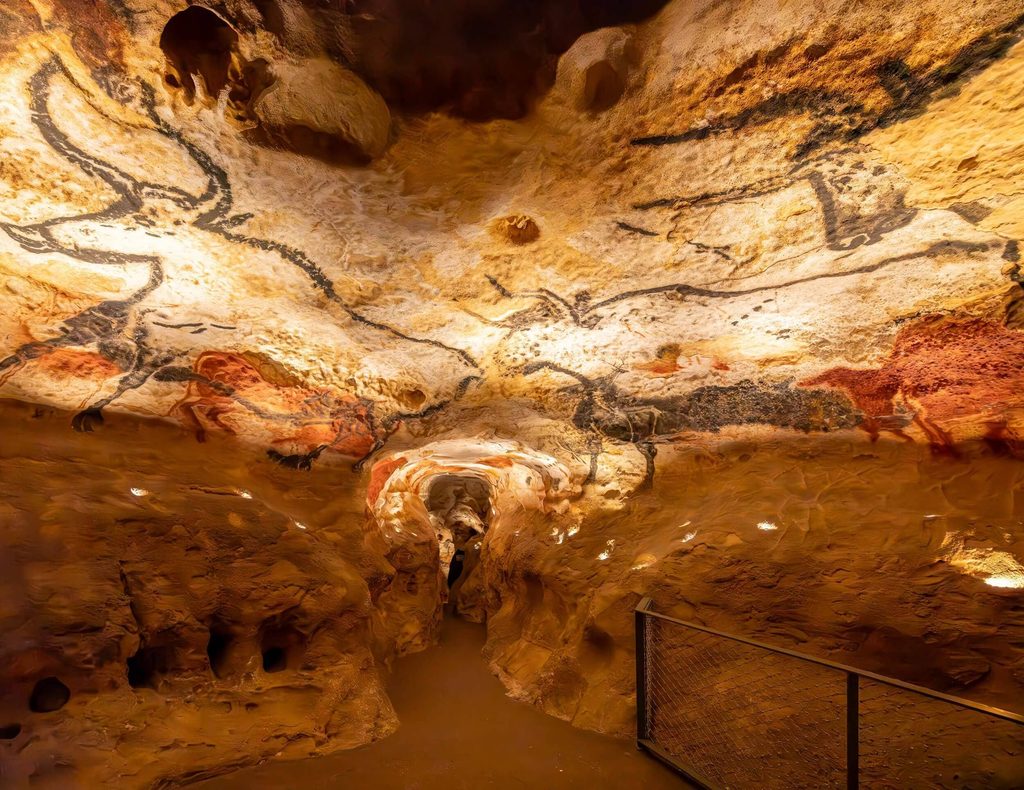
Lascaux Cave contains prehistoric paintings created thousands of years ago. When large numbers of visitors entered the cave, their presence began to threaten the delicate environment and ancient artwork.
As a result, authorities closed the original cave to ordinary tourists. Instead, visitors can explore detailed replicas that recreate the experience without damaging the original paintings.
Why can’t you visit?
🎨 To protect ancient prehistoric artwork.
8. Ise Grand Shrine — Inner Sanctuary, Japan 🇯🇵
Ise Grand Shrine ranks among Japan’s most important Shinto sites. Visitors can explore much of the shrine complex, but the innermost sanctuary remains behind fences.
Religious tradition reserves this sacred area for a very limited group. Therefore, ordinary tourists cannot enter the most restricted section.
Why can’t you visit?
⛩️ Religious tradition and sacred restrictions.
9. Pine Gap, Australia 🇦🇺
Pine Gap sits in Australia’s Northern Territory and operates as a highly sensitive intelligence facility. Australia and the United States cooperate at the site on intelligence and security matters.
Because of its sensitive role, authorities tightly secure the facility. Ordinary visitors cannot enter the restricted area.
Why can’t you visit?
🛰️ National security and intelligence operations.
10. Mount Weather, USA 🇺🇸
Mount Weather is a secure U.S. government facility in Virginia. The site has played a role in emergency planning and continuity-of-government arrangements.
Its sensitive function means that authorities do not open the facility to ordinary visitors. Security measures keep unauthorized people away from the site.
Why can’t you visit?
🔒 Government security.
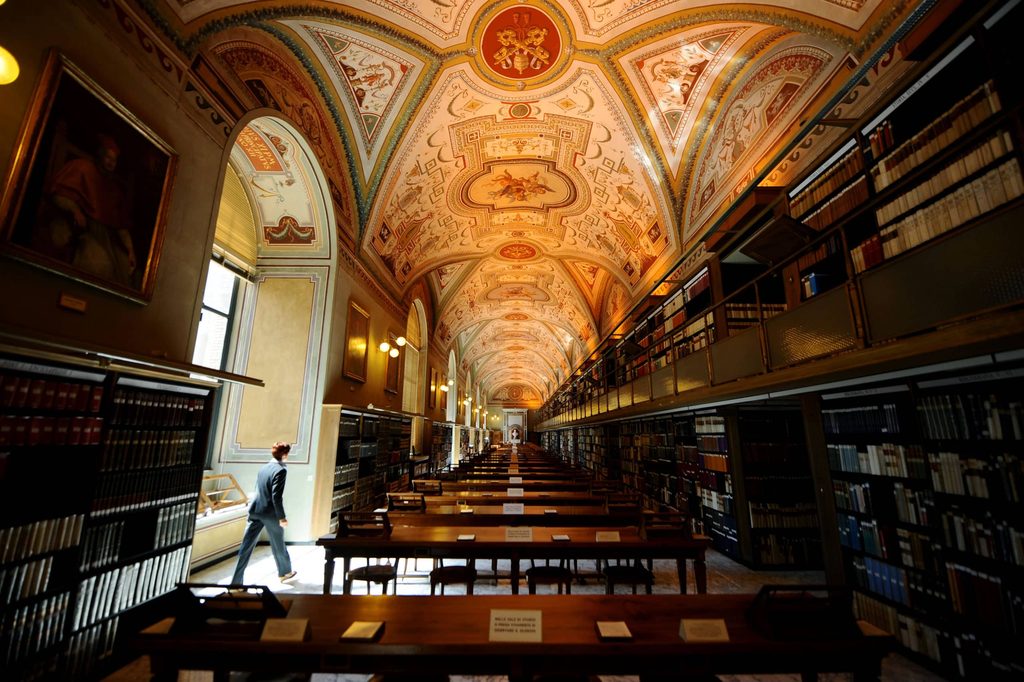
11. Vatican Apostolic Archive, Vatican City 🇻🇦
The Vatican Apostolic Archive holds centuries of historical documents and records connected with the Catholic Church and world history.
However, the archive does not operate like an ordinary museum. Qualified researchers can request access under specific conditions, while general tourists cannot simply walk in and browse the collections.
Why can’t you visit?
📜 Controlled research access and preservation.
🌍 Why Are These Places Off-Limits?
These locations have different reasons for restricting access. For example, governments protect military sites because they contain sensitive information, while authorities restrict natural areas to protect fragile ecosystems.
Similarly, some locations protect Indigenous communities or sacred religious traditions. Meanwhile, historical sites such as Lascaux require strict controls to prevent damage to irreplaceable treasures.
The main reasons include:
🛡️ National security — military and intelligence facilities
🌿 Nature protection — fragile ecosystems and wildlife
🧑🤝🧑 Indigenous protection — preventing unwanted outside contact
🏺 Historical preservation — protecting ancient sites and artifacts
🙏 Religious traditions — protecting sacred spaces
⚠️ Safety — keeping people away from dangerous areas
👀 The Bottom Line
These places prove that some of Earth’s most fascinating locations do not need to remain completely hidden to seem mysterious. Instead, strict rules can make an ordinary place feel even more intriguing.
You can find many of these locations on a map and see photographs of them online. But when it comes to actually crossing the boundary, that’s where the story changes.
Sometimes, the most fascinating places are the ones you can see—but cannot enter.