








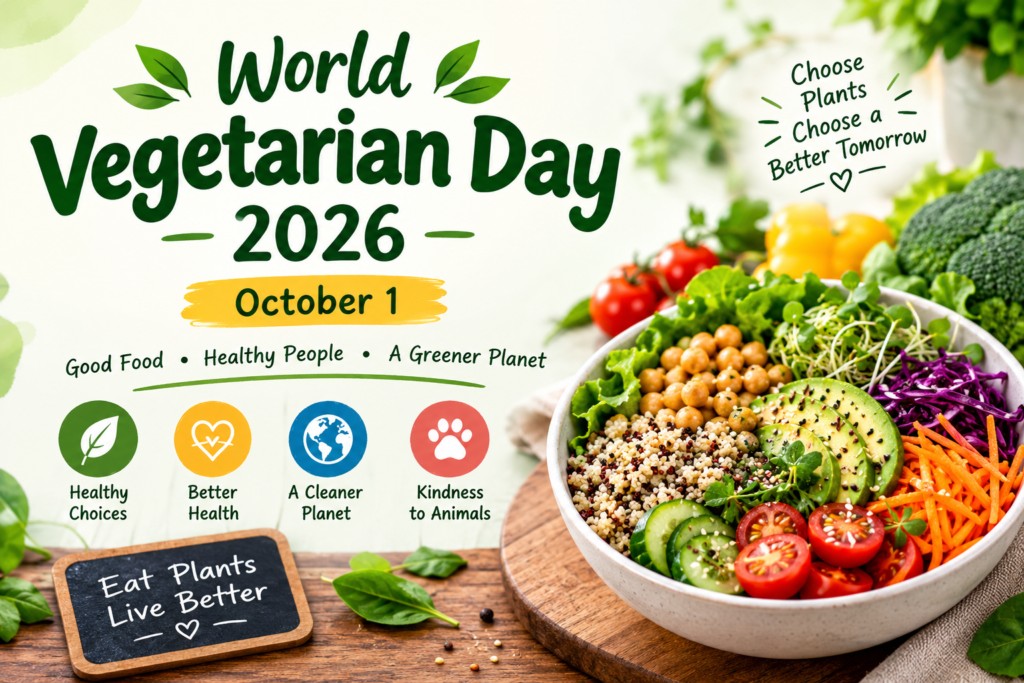
World Vegetarian Day is observed every year on October 1 to raise awareness about vegetarian lifestyles and encourage people to explore plant-based food choices. The day highlights the variety of vegetarian foods available and encourages conversations about nutrition, animal welfare, sustainability and responsible food choices.
For many people, vegetarianism is not simply about avoiding meat. It can also involve discovering new foods, adopting healthier eating habits and understanding how everyday dietary choices can affect the environment.
📅 When Is World Vegetarian Day 2026?
World Vegetarian Day 2026 will be observed on Thursday, October 1. It also marks the beginning of Vegetarian Awareness Month, which is observed throughout October.
People around the world mark the occasion in different ways. Some choose to eat vegetarian meals for the day, while others organize food events, cooking activities, educational programs and awareness campaigns.
The day also provides an opportunity for people who already follow vegetarian diets to share recipes, nutritional information and ideas with others.
📖 History of World Vegetarian Day
World Vegetarian Day was established by the North American Vegetarian Society (NAVS) in 1977. The observance was created to promote vegetarianism and increase public awareness about vegetarian lifestyles.
The annual event has since become associated with broader discussions surrounding plant-based eating, animal welfare, health and environmental concerns. Vegetarian organizations and communities use October as an opportunity to encourage people to learn more about vegetarian diets.
World Vegetarian Day is not limited to people who follow a vegetarian lifestyle. Anyone can participate by learning about vegetarian food, trying meat-free meals or understanding the nutritional requirements of a balanced plant-based diet.
🌱 Why Is World Vegetarian Day Celebrated?
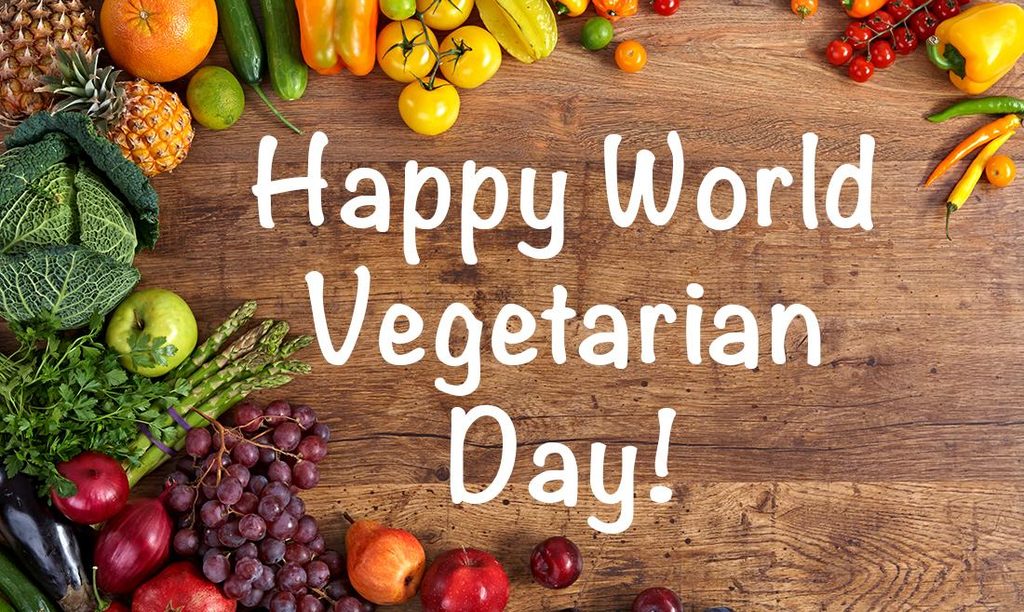
World Vegetarian Day aims to increase awareness about vegetarianism and the different reasons people choose this lifestyle. Some people adopt vegetarian diets for personal, cultural, ethical, environmental or health-related reasons.
The day also challenges the idea that vegetarian food is limited to salads or a small selection of dishes. Vegetarian cuisines around the world include a wide range of grains, vegetables, legumes, fruits, dairy products, eggs, nuts, seeds and plant-based proteins.
It also encourages people to make informed decisions about their diets rather than following food trends without understanding their nutritional needs.
❤️ Health Benefits of a Vegetarian Diet
A well-planned vegetarian diet can provide many essential nutrients. Vegetables, fruits, whole grains, beans, lentils, nuts and seeds can contribute fibre, vitamins, minerals and other beneficial nutrients to the diet.
Research has associated some well-planned vegetarian eating patterns with potential health benefits, particularly when they emphasize minimally processed plant foods.
🥦 1. More Dietary Fibre
Vegetarian diets often include plenty of fruits, vegetables, beans, lentils and whole grains. These foods are important sources of dietary fibre, which supports normal digestive health.
Fibre-rich foods can also help people feel full and may contribute to a balanced overall eating pattern.
🫘 2. Plant-Based Protein
Protein does not come only from meat and fish. Lentils, chickpeas, beans, soy foods, nuts and seeds can provide protein for people following vegetarian diets.
Eating a variety of protein-rich foods throughout the day can help vegetarian diets meet individual nutritional requirements.
🥕 3. More Fruits and Vegetables
People following vegetarian diets often consume a greater variety of fruits and vegetables. These foods provide vitamins, minerals, fibre and numerous naturally occurring plant compounds.
Including different colours and varieties of vegetables and fruits can make meals more diverse and nutritious.
❤️ 4. Supporting Heart Health
Some vegetarian eating patterns that emphasize whole grains, vegetables, fruits, legumes and nuts may support cardiovascular health. However, the overall quality of the diet matters.
A vegetarian diet based heavily on highly processed foods, sugary drinks or refined carbohydrates may not provide the same benefits.
⚖️ 5. Supporting Healthy Weight Management
Plant-based foods such as vegetables, fruits, legumes and whole grains can be filling while providing important nutrients. A balanced vegetarian diet may therefore support healthy weight management for some people.
Individual results vary depending on food choices, portion sizes, activity levels and overall lifestyle.
🧬 Nutrients Vegetarians Should Pay Attention To
Following a vegetarian diet can be nutritious, but planning is important. Certain nutrients require particular attention, especially for people who avoid both meat and animal products.
💊 Vitamin B12
Vitamin B12 is naturally found mainly in animal-derived foods. Vegetarians, particularly vegans, may need fortified foods or supplements to obtain sufficient B12.
🦴 Calcium
Dairy products can provide calcium for lacto-vegetarians. People who avoid dairy can choose fortified plant milks, tofu made with calcium salts and other calcium-rich foods.
💪 Iron
Beans, lentils, tofu, spinach, seeds and fortified cereals can provide iron. Pairing plant sources of iron with vitamin C-rich foods can improve the absorption of non-heme iron.
☀️ Vitamin D
Vitamin D can come from sunlight exposure, fortified foods and certain supplements. Individual needs vary depending on factors such as location, lifestyle and health status.
🧂 Iodine
Iodine is important for normal thyroid function. Sources can include iodized salt and certain fortified foods, depending on dietary patterns.
🌍 Environmental Importance of Vegetarian Diets
Food production has an impact on land use, water use, energy consumption and greenhouse gas emissions. Plant-based foods generally have lower environmental impacts than many animal-based foods, although the impact varies significantly between individual foods and production systems.
World Vegetarian Day provides an opportunity to consider how food choices connect with environmental sustainability.
Choosing more plant-based meals does not necessarily mean completely eliminating animal products. Some people participate by introducing one or more vegetarian meals into their weekly routine.
🥗 Popular Vegetarian Foods
Vegetarian diets can include a wide variety of foods from different cuisines.
Some popular choices include:
- Lentils and dals
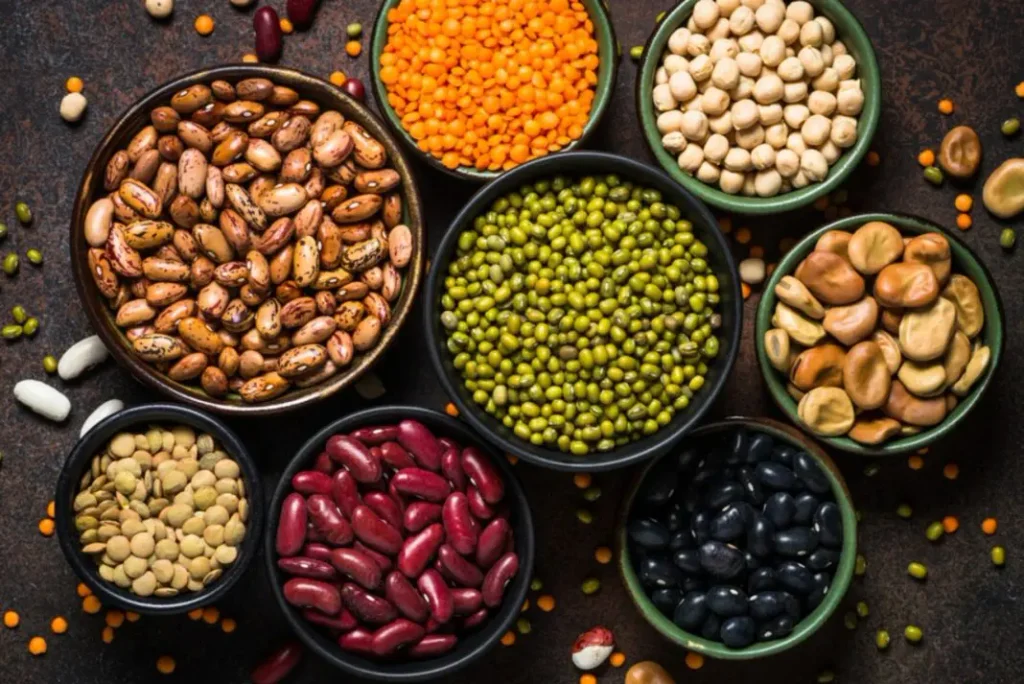
- Chickpeas and beans
- Rajma and other legumes
- Tofu and tempeh
- Paneer
- Milk and yoghurt
- Nuts and seeds
- Whole grains
- Fresh fruits
- Leafy vegetables
- Root vegetables
- Soy-based foods
- Vegetable soups and salads
Indian cuisine, in particular, offers numerous vegetarian dishes, including dal, rajma, chole, vegetable curries, idli, dosa, poha and a wide range of regional preparations.
🌎 Vegetarian Diets Around the World
Vegetarian food traditions exist across many cultures and regions. Different communities have developed their own plant-based dishes based on locally available ingredients.
Mediterranean cuisines often use vegetables, beans, grains, olives and legumes, while Indian cuisine offers an especially wide range of vegetarian dishes. East Asian cuisines also include tofu, vegetables, noodles, rice and soy-based foods.
This variety demonstrates that vegetarian eating can be adapted to different cultures, budgets and personal preferences.
💡 Interesting Facts About World Vegetarian Day
- World Vegetarian Day is observed on October 1 every year.
- The observance was established by the North American Vegetarian Society in 1977.
- October is widely observed as Vegetarian Awareness Month.
- Vegetarian diets can include dairy products and eggs, depending on the type of vegetarianism.
- Vegan diets exclude all animal-derived foods.
- Lentils, beans, chickpeas and soy foods are important sources of plant-based protein.
- A balanced vegetarian diet can include foods from multiple food groups.
- Vegetarian cuisine includes much more than salads and vegetables.
- Indian cuisine has a particularly diverse vegetarian food tradition.
- Vegetarian meals can be enjoyed by people regardless of whether they follow a vegetarian lifestyle permanently.
🥘 Vegetarian vs Vegan: What Is the Difference?
Vegetarian and vegan diets are not identical.
A vegetarian diet generally excludes meat, poultry and seafood but may include dairy products, eggs or both, depending on the type of vegetarian diet.
A vegan diet excludes all foods derived from animals, including meat, seafood, dairy products and eggs.
There are also different types of vegetarian diets, including lacto-vegetarian, ovo-vegetarian and lacto-ovo vegetarian diets.
🎉 How to Celebrate World Vegetarian Day 2026
There are several simple ways to observe World Vegetarian Day.
People can prepare a vegetarian breakfast, lunch or dinner using fresh vegetables, legumes and whole grains. Families can also try a new vegetarian recipe or explore traditional vegetarian dishes from another country.
Schools and workplaces can organize vegetarian food days, cooking demonstrations or nutrition awareness sessions. Restaurants can highlight vegetarian options and introduce customers to new plant-based dishes.
Another way to participate is by learning about vegetarian nutrition and understanding how to build a balanced diet.
📱 World Vegetarian Day Social Media Ideas
Social media users can use World Vegetarian Day to share recipes, meal ideas and information about vegetarian nutrition.
Simple posts can highlight favourite vegetarian dishes, healthy ingredients or easy meat-free meals. Hashtags such as #WorldVegetarianDay, #VegetarianDay, #VegetarianFood and #PlantBased can help connect posts with wider conversations.
However, dietary choices are personal, and people should avoid presenting one eating pattern as suitable for everyone.
❓ Frequently Asked Questions
What is World Vegetarian Day?
World Vegetarian Day is an annual observance held on October 1 to promote awareness about vegetarianism and plant-based food choices.
When is World Vegetarian Day 2026?
World Vegetarian Day 2026 will be observed on Thursday, October 1, 2026.
Who started World Vegetarian Day?
The North American Vegetarian Society established World Vegetarian Day in 1977.
Is vegetarian food healthy?
A well-planned vegetarian diet can provide many essential nutrients. However, nutritional needs vary, and people should ensure they obtain adequate protein, vitamin B12, iron, calcium, vitamin D and other nutrients.
Can vegetarians eat eggs?
Some vegetarians eat eggs while others do not. Lacto-ovo vegetarians generally consume both dairy products and eggs, while other vegetarian patterns may exclude one or both.
What is the difference between vegetarian and vegan food?
Vegetarian diets generally exclude meat, poultry and seafood, while vegan diets exclude all animal-derived foods.
🌿 Conclusion
World Vegetarian Day 2026 is an opportunity to learn more about vegetarian lifestyles, explore new foods and understand the importance of balanced nutrition. Observed on October 1, the day begins Vegetarian Awareness Month and encourages conversations about health, food choices, sustainability and animal welfare.
Whether someone follows a vegetarian diet permanently or simply tries a meat-free meal occasionally, the day offers an opportunity to discover the variety of nutritious and flavorful plant-based foods available. A balanced approach, informed by reliable nutritional guidance and individual needs, can help people make thoughtful dietary choices.