










🌍 Introduction
World Sickle Cell Awareness Day is observed every year on June 19 to raise awareness about sickle cell disease (SCD), a serious inherited blood disorder that affects millions of people worldwide. The United Nations officially recognized this day in 2008 to increase public understanding of the disease and encourage early diagnosis, proper treatment, and support for affected individuals.
In 2026, healthcare organizations, governments, and advocacy groups continue to promote awareness campaigns that educate people about the symptoms, prevention methods, and available treatments for sickle cell disease.
Also Read: Brazilian Model Larissa Responds to Allegations of Rahul Gandhi’s Vote Chori Connection
🩸 What is Sickle Cell Disease?
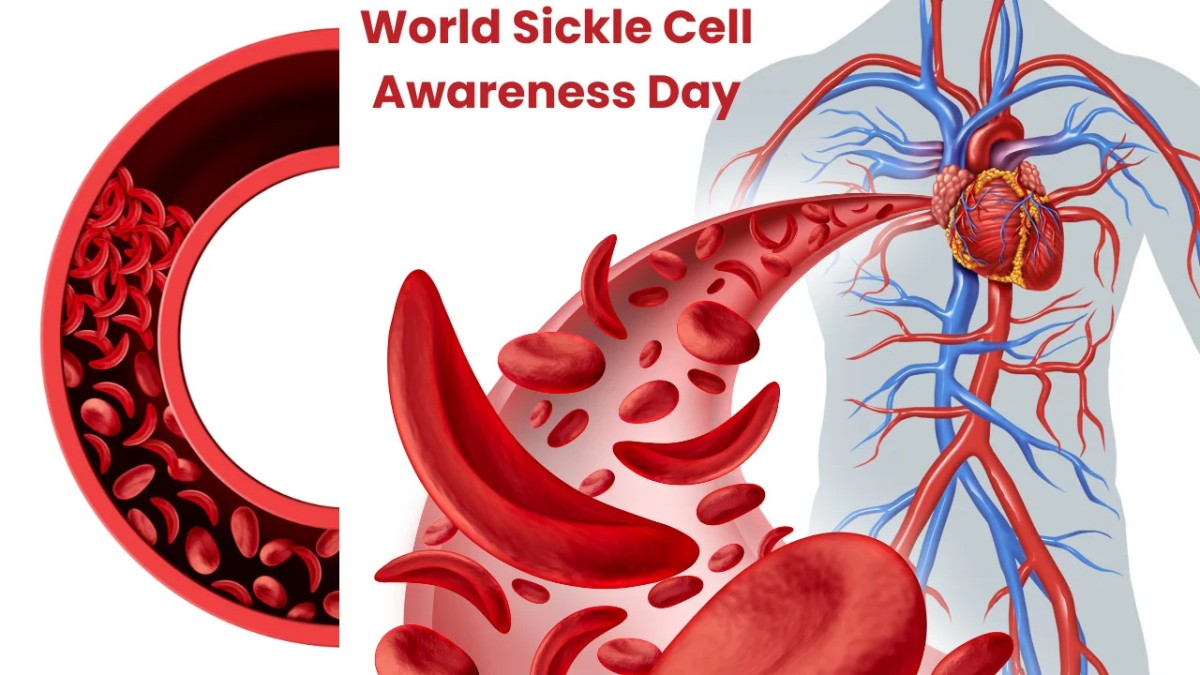
Sickle cell disease is a genetic blood disorder that affects red blood cells. Healthy red blood cells are round and flexible, allowing them to move easily through blood vessels. However, people with sickle cell disease produce abnormal hemoglobin, causing red blood cells to become rigid and crescent-shaped, resembling a sickle.
These sickle-shaped cells can block blood flow, reduce oxygen delivery, and lead to severe health complications.
🔬 Causes of Sickle Cell Disease
Sickle cell disease occurs when a child inherits the sickle cell gene from both parents. The condition is hereditary and cannot spread through physical contact.
A person who inherits only one sickle cell gene becomes a carrier, known as having the sickle cell trait. Carriers usually do not develop symptoms but can pass the gene to their children.
⚠️ Common Symptoms of Sickle Cell Disease
Symptoms often appear during infancy and vary from person to person.
🔹 Severe Pain Episodes
Blocked blood vessels can cause sudden and intense pain in the chest, abdomen, joints, and bones. Doctors refer to these episodes as pain crises.
🔹 Chronic Anemia
Abnormal red blood cells break down quickly, reducing the body’s ability to carry oxygen and causing fatigue, weakness, and shortness of breath.
🔹 Swelling of Hands and Feet
Blocked blood flow can cause painful swelling in the hands and feet, especially in young children.
🔹 Frequent Infections
The disease can damage the spleen, weakening the immune system and increasing the risk of infections.
🔹 Delayed Growth
Children with sickle cell disease may experience slower growth and delayed puberty due to reduced oxygen supply.
🔹 Vision Problems
Blocked blood vessels in the eyes can damage the retina and affect vision.
🚨 Complications Associated with Sickle Cell Disease
Without proper treatment, sickle cell disease can lead to serious complications, including:
- Stroke
- Organ damage
- Acute chest syndrome
- Kidney disease
- Pulmonary hypertension
- Leg ulcers
- Gallstones
Early medical intervention helps reduce these risks significantly.
🛡️ Prevention of Sickle Cell Disease
Although doctors cannot completely prevent the disease after birth, several measures can reduce its occurrence.
✅ Genetic Counseling
Couples with a family history of sickle cell disease should seek genetic counseling before planning a family.
✅ Carrier Screening
Blood tests can identify whether a person carries the sickle cell gene. Early screening helps families make informed decisions.
✅ Newborn Screening
Many countries conduct newborn screening programs to detect the disease early and begin treatment immediately.
✅ Public Awareness Programs
Health authorities continue to educate communities about inheritance patterns and preventive healthcare measures.
💊 Treatment Options for Sickle Cell Disease
While no universal cure exists for everyone, modern treatments help patients manage symptoms and improve quality of life.
🔹 Medications
Doctors prescribe medications to reduce pain, prevent infections, and decrease complications.
🔹 Blood Transfusions
Regular blood transfusions can lower the risk of stroke and improve oxygen delivery throughout the body.
🔹 Bone Marrow Transplant
A bone marrow or stem cell transplant offers a potential cure for some patients, particularly children with suitable donors.
🔹 Gene Therapy
Recent advancements in gene therapy provide promising treatment options by correcting the genetic defect responsible for the disease.
🔹 Healthy Lifestyle
Patients can improve their health by staying hydrated, eating nutritious foods, exercising moderately, and attending regular medical checkups.
🌐 Importance of World Sickle Cell Awareness Day
World Sickle Cell Awareness Day encourages governments, healthcare providers, and communities to work together to combat the disease. The observance promotes early diagnosis, better treatment access, scientific research, and support for patients and families.
The day also helps reduce stigma and misinformation surrounding genetic disorders.
📢 Key Messages for 2026
- Promote early screening and diagnosis.
- Increase access to healthcare services.
- Support medical research and innovation.
- Educate communities about genetic inheritance.
- Improve the quality of life for affected individuals.
📝 Conclusion
World Sickle Cell Awareness Day 2026 highlights the urgent need to raise awareness about sickle cell disease and its impact on millions of lives worldwide. Early diagnosis, proper medical care, genetic counseling, and continued research can help patients live healthier and longer lives. By spreading knowledge and supporting affected families, society can contribute to better healthcare outcomes and a brighter future for those living with sickle cell disease.
Also Read: International Sushi Day: Fun Facts About the World’s Favorite Japanese Dish