







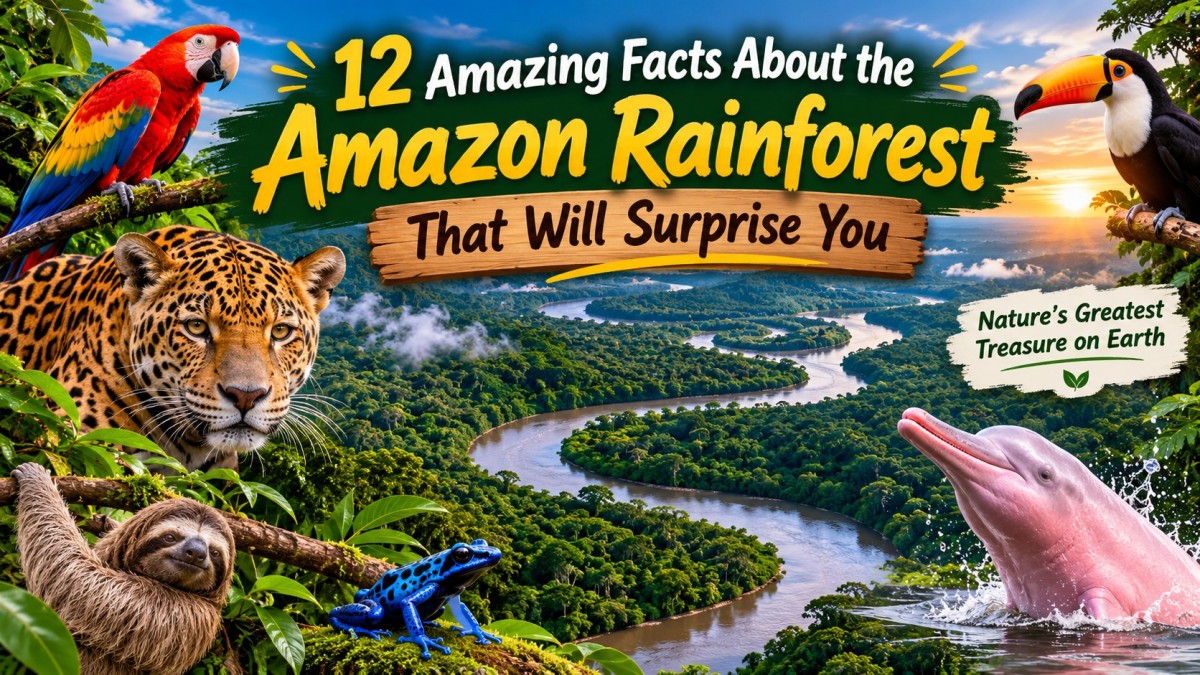
The Amazon Rainforest is one of the most fascinating natural wonders on Earth. Known for its incredible biodiversity, winding rivers, and dense green vegetation, this vast tropical forest plays an important role in supporting wildlife and regulating the global climate. It stretches across several South American countries and is home to millions of people, countless animal species, and extraordinary plant life. From pink river dolphins to powerful jaguars, the Amazon is full of remarkable discoveries. Here are twelve amazing facts about the Amazon Rainforest that will help you understand why this natural treasure is so important.
🌿 1. The Amazon Is the World’s Largest Tropical Rainforest
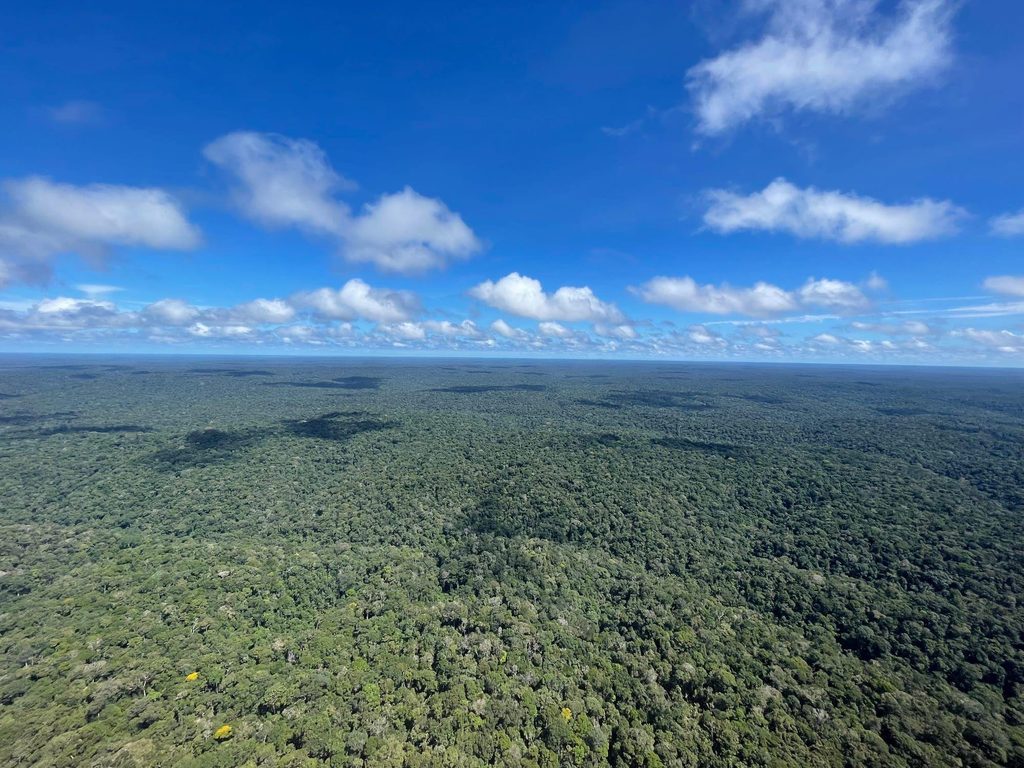
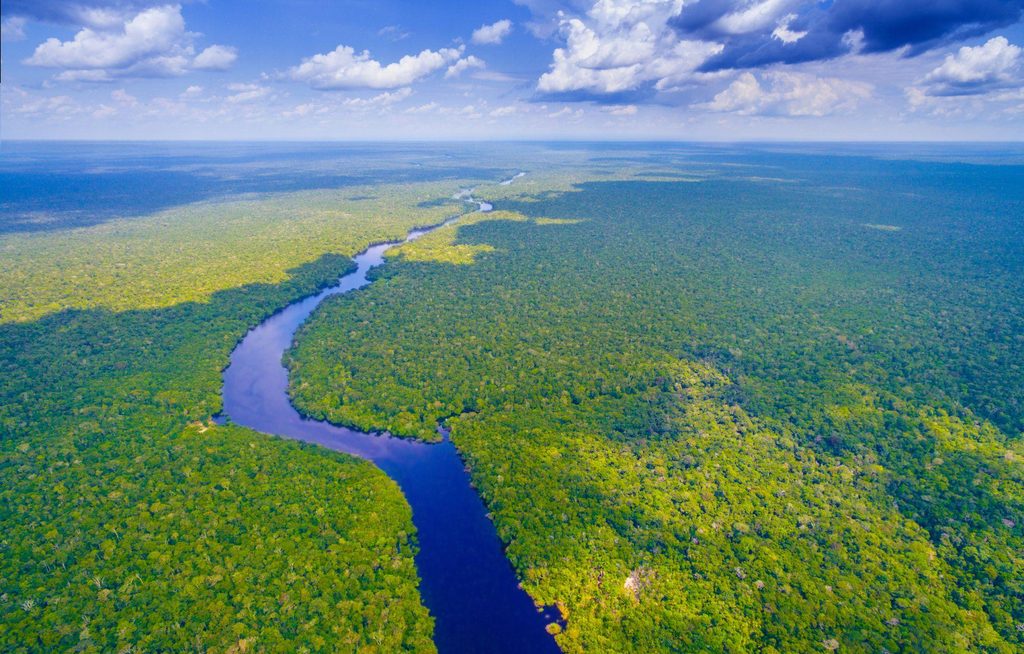
The Amazon Rainforest is the largest tropical rainforest on Earth, covering approximately 5.5 million square kilometres. It stretches across several South American countries, with the largest portion located in Brazil. Its enormous green canopy creates a unique environment for thousands of plants, animals, birds, and insects. The forest also plays a major role in maintaining ecological balance and supporting natural processes across the region.
Also Read : Tiger Shroff Firing Case: Two Arrested, Juvenile Detained in Rajasthan’s Kota
🦜 2. It Is Home to Incredible Biodiversity
The Amazon Rainforest is one of the most biodiverse regions in the world. It supports thousands of known animal species and tens of thousands of plant species, including many that are rare or found nowhere else. Colourful birds, reptiles, amphibians, mammals, and insects thrive in its diverse habitats. Scientists continue to discover and document new species, making the Amazon an important destination for ecological research and conservation.
💧 3. The Amazon River Carries Enormous Amounts of Water
The Amazon River is famous for carrying more freshwater by volume than any other river in the world. It flows through vast areas of South America before emptying into the Atlantic Ocean. Its many tributaries provide water for wildlife, forests, and nearby communities. The river also supports fishing, transportation, and local economies, making it one of the most important natural resources in the Amazon region.
🐆 4. The Amazon Is a Major Home for Jaguars
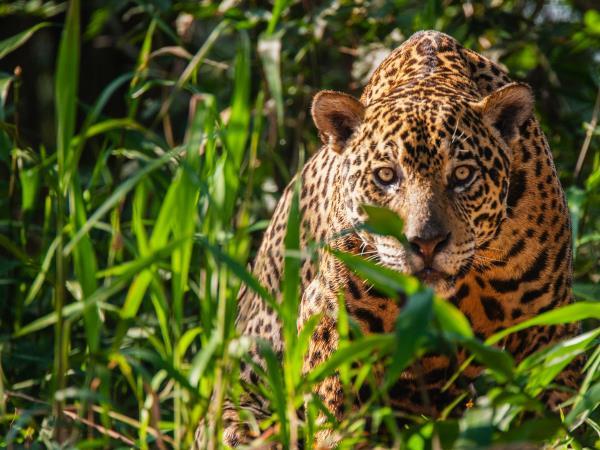
The Amazon Rainforest is one of the most important habitats for jaguars, the largest wild cats in the Americas. These powerful predators are excellent swimmers and can move through dense vegetation with remarkable agility. Jaguars hunt animals such as capybaras, deer, and caimans, helping maintain the balance of the ecosystem. However, habitat destruction and illegal hunting threaten their survival, making rainforest conservation essential for protecting these magnificent animals.
🦥 5. Many Amazon Animals Are Found Nowhere Else
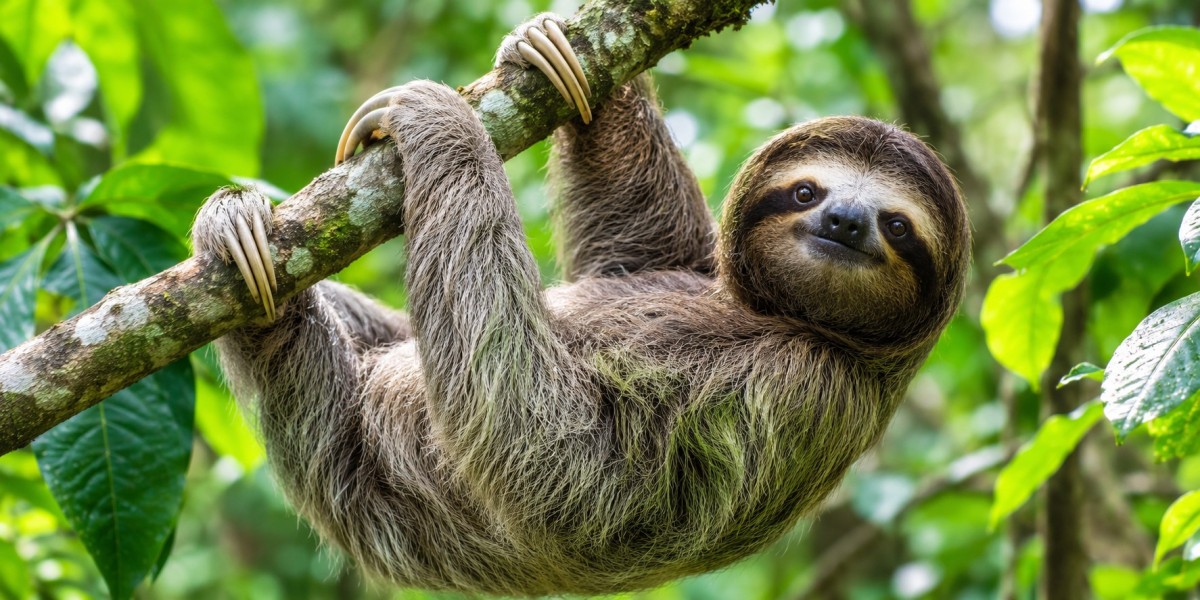
The Amazon is home to a fascinating variety of wildlife, including sloths, poison dart frogs, monkeys, anacondas, and pink river dolphins. Some species are endemic to particular parts of the Amazon region, meaning they do not naturally occur anywhere else. These animals have developed special adaptations that help them survive in the rainforest’s warm, humid environment. Protecting their habitats is crucial for preserving the extraordinary biodiversity of this ecosystem.
☁️ 6. The Forest Helps Create Its Own Rain
One of the most fascinating features of the Amazon Rainforest is its ability to recycle water. Trees absorb water through their roots and release moisture into the atmosphere through a process called transpiration. This water vapour contributes to cloud formation and rainfall. As a result, the rainforest helps sustain its own wet conditions and influences weather patterns across large parts of South America. Deforestation can disrupt this important natural water cycle.
🦜 7. The Amazon Has an Extraordinary Variety of Birds
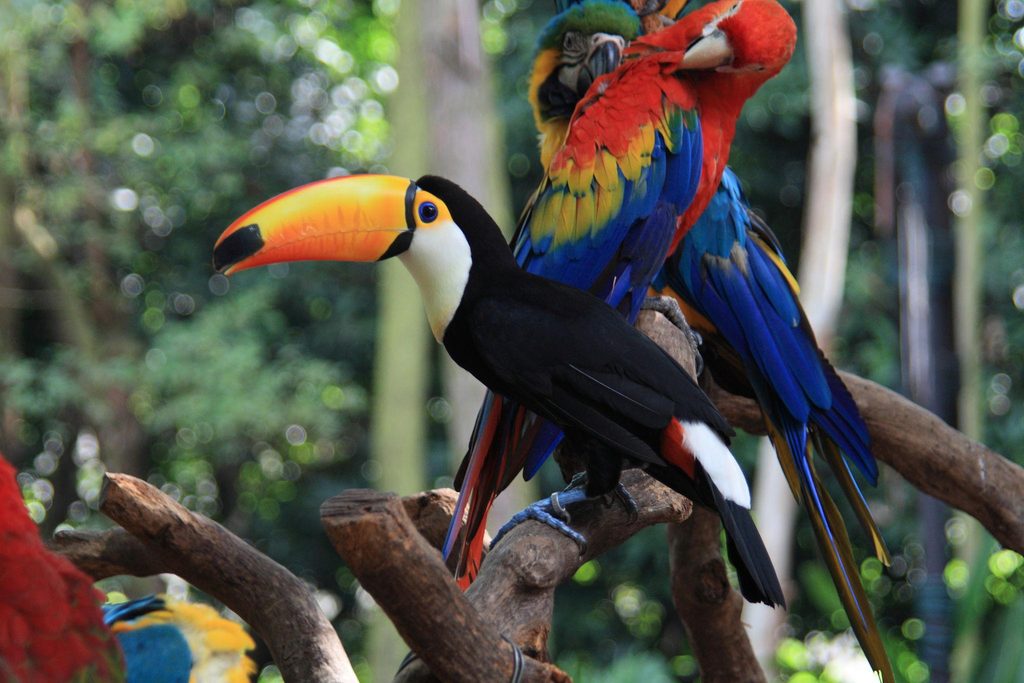
The Amazon Rainforest is a paradise for bird lovers, with more than a thousand bird species recorded across the wider Amazon region. It is home to colourful macaws, toucans, hummingbirds, parrots, and many other fascinating birds. Their bright feathers and distinctive calls bring life to the forest canopy. Many species also help spread seeds by eating fruits and carrying seeds to new locations, supporting forest regeneration and plant diversity.
🐬 8. Pink River Dolphins Swim in the Amazon
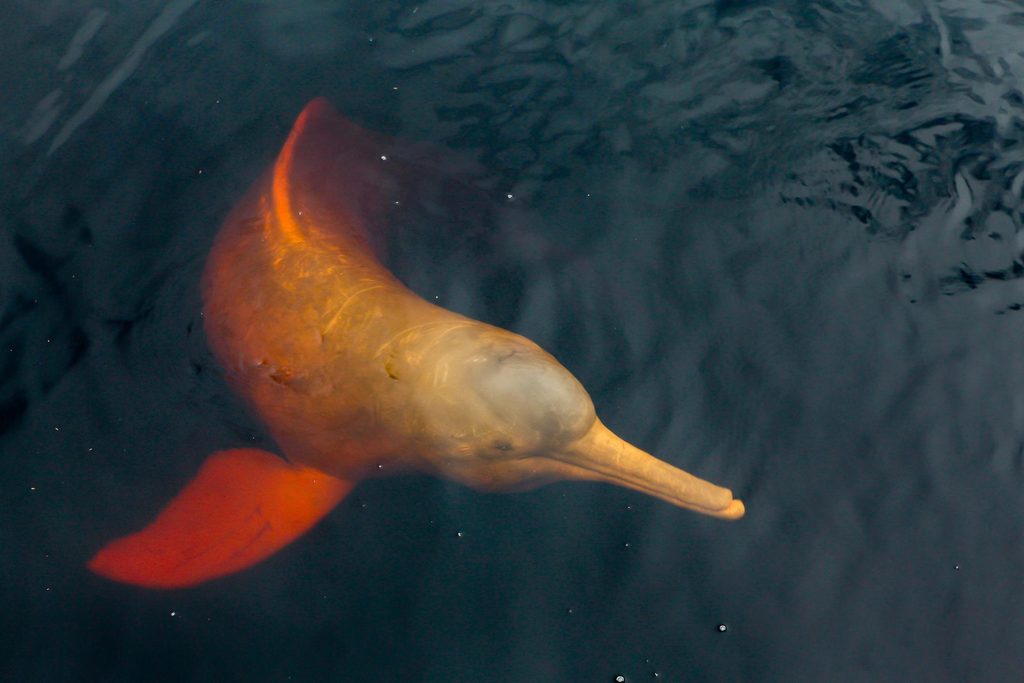
The Amazon River is home to the Amazon river dolphin, also known as the boto. Unlike ocean dolphins, these mammals live in freshwater rivers and flooded forest areas. Their colour can range from grey to pink, with some adult males becoming particularly pink as they mature. They use echolocation to navigate murky waters and locate prey. These unusual dolphins are an important part of the Amazon’s aquatic ecosystem.
🧑🤝🧑 9. Millions of People Call the Amazon Home
The Amazon Rainforest is not just a natural wilderness; it is also home to millions of people, including many Indigenous communities. These communities have diverse languages, cultural traditions, and deep connections to the surrounding environment. Many depend on the forest and rivers for food, shelter, transportation, and livelihoods. Their traditional ecological knowledge can also contribute to sustainable forest management and conservation efforts.
🌍 10. The Amazon Stores Huge Amounts of Carbon
The Amazon Rainforest plays an important role in Earth’s carbon cycle. Its trees absorb carbon dioxide during photosynthesis and store carbon in their trunks, branches, roots, and surrounding soils. This helps regulate atmospheric carbon levels and supports climate stability. However, when forests are cleared or burned, some stored carbon is released into the atmosphere. Preventing deforestation and restoring damaged areas are important steps in protecting this valuable natural carbon store.
🌱 11. Some Amazon Plants Have Medicinal Uses
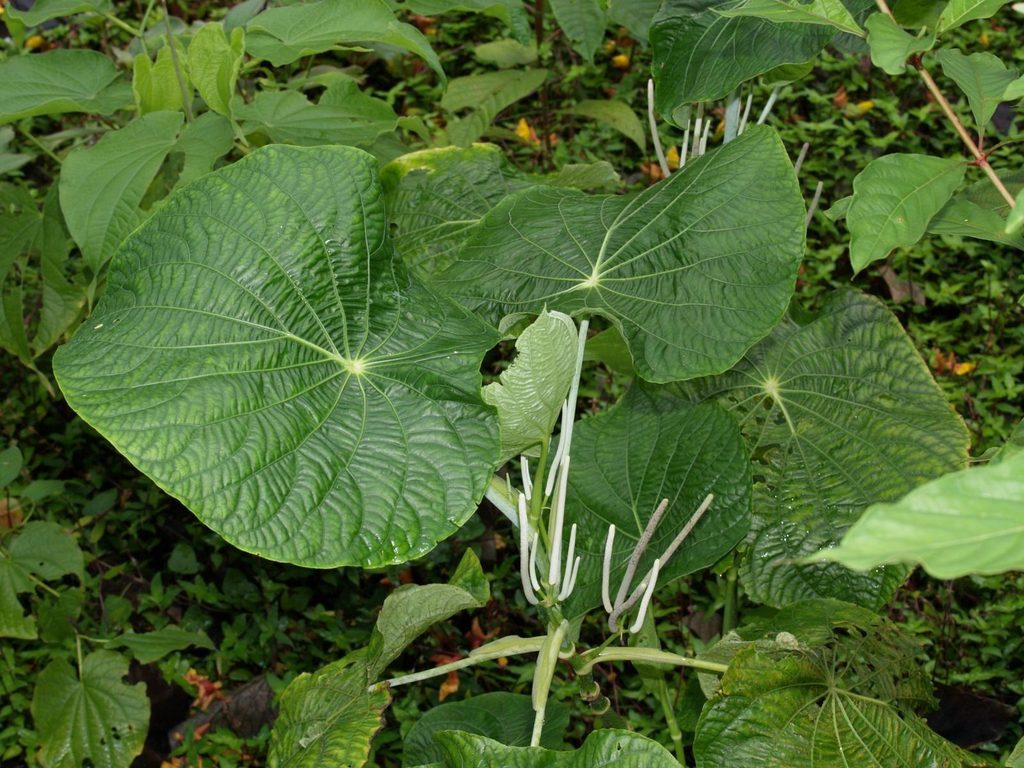
The Amazon Rainforest contains an enormous variety of plants, many of which have been used in traditional healing practices by Indigenous communities for generations. Researchers study these plants to understand their chemical compounds and possible medical applications. Some plant-derived substances have already contributed to modern medicine, although many traditional remedies still require scientific evaluation. Protecting the forest helps preserve valuable plant diversity and the traditional knowledge associated with it.
🔥 12. The Amazon Faces Serious Environmental Threats
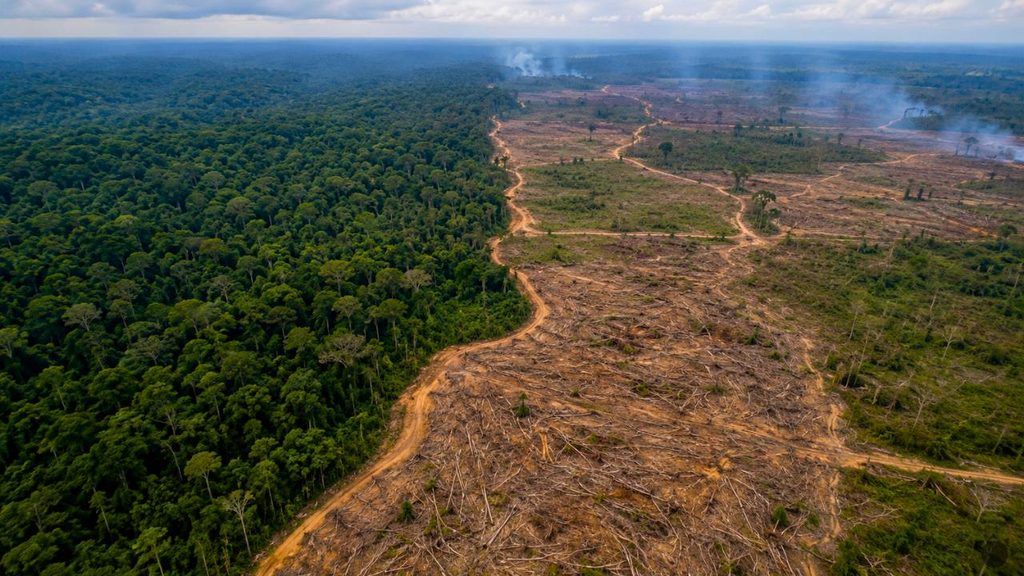
Despite its enormous size, the Amazon Rainforest faces several serious environmental challenges. Deforestation, agricultural expansion, mining, forest fires, and climate change are putting pressure on its delicate ecosystem. These threats can destroy wildlife habitats, reduce biodiversity, and interfere with natural rainfall patterns. Conservation programmes, sustainable farming practices, stronger forest protection, and support for Indigenous communities can help preserve the Amazon for future generations.
🌎 Conclusion
The Amazon Rainforest is one of the most valuable ecosystems on our planet. Its extraordinary wildlife, powerful river system, rich plant diversity, and important role in the global climate make it truly remarkable. From helping recycle water to providing a home for millions of people, the Amazon supports life in countless ways. Understanding these amazing facts highlights why protecting this natural treasure is essential for biodiversity, environmental health, and the future of our planet.
Also Read : International Sloth Day 2026: Interesting Facts About the World’s Slowest Mammals