







Sharad Purnima is one of the most cherished full-moon festivals in Hindu tradition. In 2026, devotees will observe the festival on Sunday, October 25, and celebrate the night with prayers, traditional sweets and rituals dedicated to the Moon and Goddess Lakshmi. The festival falls on the full moon of the Hindu month of Ashwin and is also known as Kojagari Purnima or Kojagara Purnima. One of its most recognisable customs involves preparing rice kheer and placing it under the moonlight overnight. Families follow this tradition as a symbol of devotion, purity, prosperity and divine blessings. The practice also connects generations through shared food, prayers and family gatherings.
Also Read: Brazilian Model Larissa Responds to Allegations of Rahul Gandhi’s Vote Chori Connection
🌕 Why Is Kheer Prepared on Sharad Purnima?
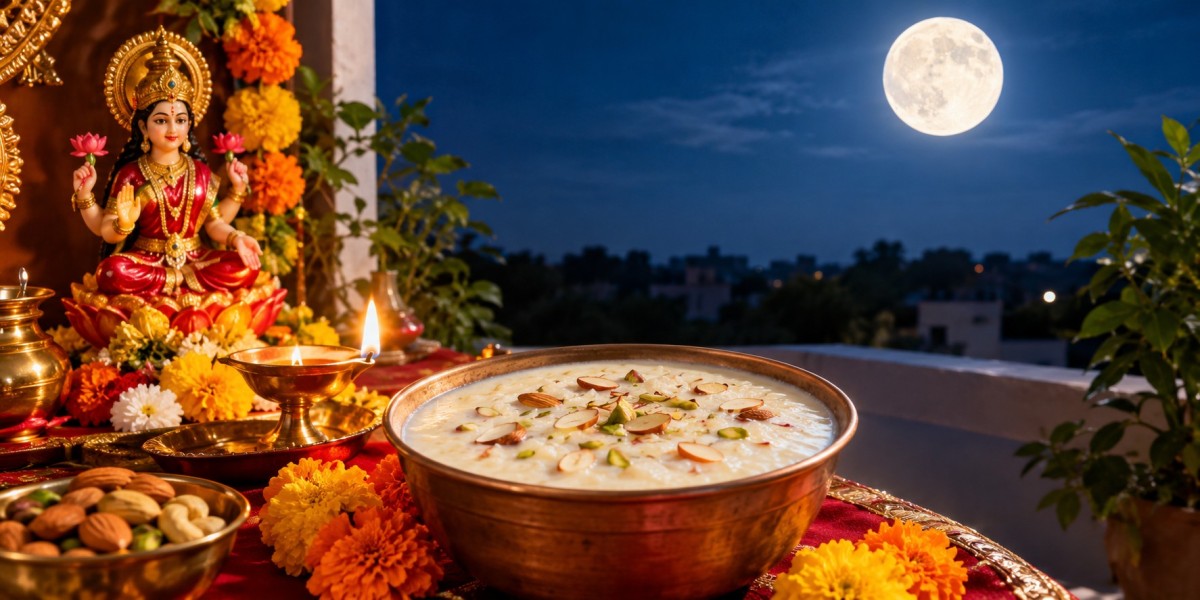
The tradition of preparing kheer holds special religious significance during Sharad Purnima. According to Hindu belief, the full moon shines with all sixteen kalas, or aspects of completeness, on this auspicious night. Devotees believe that the Moon’s rays carry amrit, often described as divine nectar, and that placing kheer under the moonlight allows the offering to receive these blessings. Families prepare the sweet dish using rice, milk and sugar, although some recipes include cardamom, saffron, nuts or raisins. After offering the kheer during prayers, devotees share it as prasad. The custom represents gratitude, abundance and the hope for happiness and good fortune. However, the belief that moonlight transforms the food spiritually belongs to religious tradition rather than established scientific evidence.
🪔 Religious Significance of Sharad Purnima
Sharad Purnima holds an important place in Hindu worship because devotees associate the night with Goddess Lakshmi, the deity of wealth and prosperity. Many families perform Kojagari Lakshmi Puja, light oil lamps, decorate their homes and offer sweets, flowers and prayers. The name Kojagari is traditionally linked to the question, “Who is awake?” According to popular belief, Goddess Lakshmi blesses devotees who remain awake and worship her during the auspicious night. The festival also carries special significance in the Braj region, where devotees associate Sharad Purnima with Lord Krishna’s Maha Raas Leela. These traditions make the occasion a celebration of devotion, spiritual reflection and the hope for prosperity. Customs differ across regions and families, so devotees generally follow their local traditions and Panchang timings.
🥛 How Do Families Follow the Moonlight Kheer Ritual?
Families usually prepare fresh rice kheer in the evening and arrange a clean place for their offering. After performing their household puja, they place the kheer in a covered or suitably protected vessel in a location where moonlight can reach it. Some families leave it outside for several hours, while others keep it under the moonlight until midnight or early morning. Devotees then bring the kheer indoors and distribute it among family members as prasad. Many households combine this ritual with chanting, devotional songs, meditation or staying awake for Kojagari Puja. The ceremony does not require elaborate arrangements; families can observe it with a simple offering and sincere prayers. For food safety, people should protect the kheer from insects, dust and animals, and refrigerate it promptly rather than leaving milk-based food at room temperature throughout a warm night.
✨ Sharad Purnima 2026: Date and Important Timings
Sharad Purnima will be observed on the night of October 25, 2026, while the full-moon lunar phase, known as the Purnima tithi, continues into the morning of October 26. According to published Panchang calculations for New Delhi, the tithi begins at approximately 11:55 a.m. on October 25 and ends around 9:41 a.m. on October 26. The Moon rises at approximately 5 p.m. in New Delhi, although the exact time varies by location. Some calendars list October 26 for certain daytime observances because the lunar tithi continues after sunrise. Devotees planning the kheer ritual or Kojagari Lakshmi Puja should therefore check a reliable local Panchang for the appropriate timings in their city.
🙏 A Festival of Faith, Family and Prosperity
Sharad Purnima brings together religious faith, traditional food and the beauty of the full-moon night. The practice of placing kheer under the moonlight gives families an opportunity to preserve cultural traditions while sharing a simple and meaningful offering. Devotees seek Goddess Lakshmi’s blessings, remember the stories associated with Lord Krishna and express gratitude for health, happiness and prosperity. Beyond the rituals, the festival encourages family togetherness, generosity and reflection. As Sharad Purnima approaches in 2026, families can celebrate the occasion through prayers, fresh homemade kheer and observance of their regional customs. The tradition continues to hold a special place in India’s cultural heritage, reminding devotees that festivals often bring spiritual meaning to everyday activities such as preparing and sharing food.
Also Read: International Sloth Day 2026: Interesting Facts About the World’s Slowest Mammals