






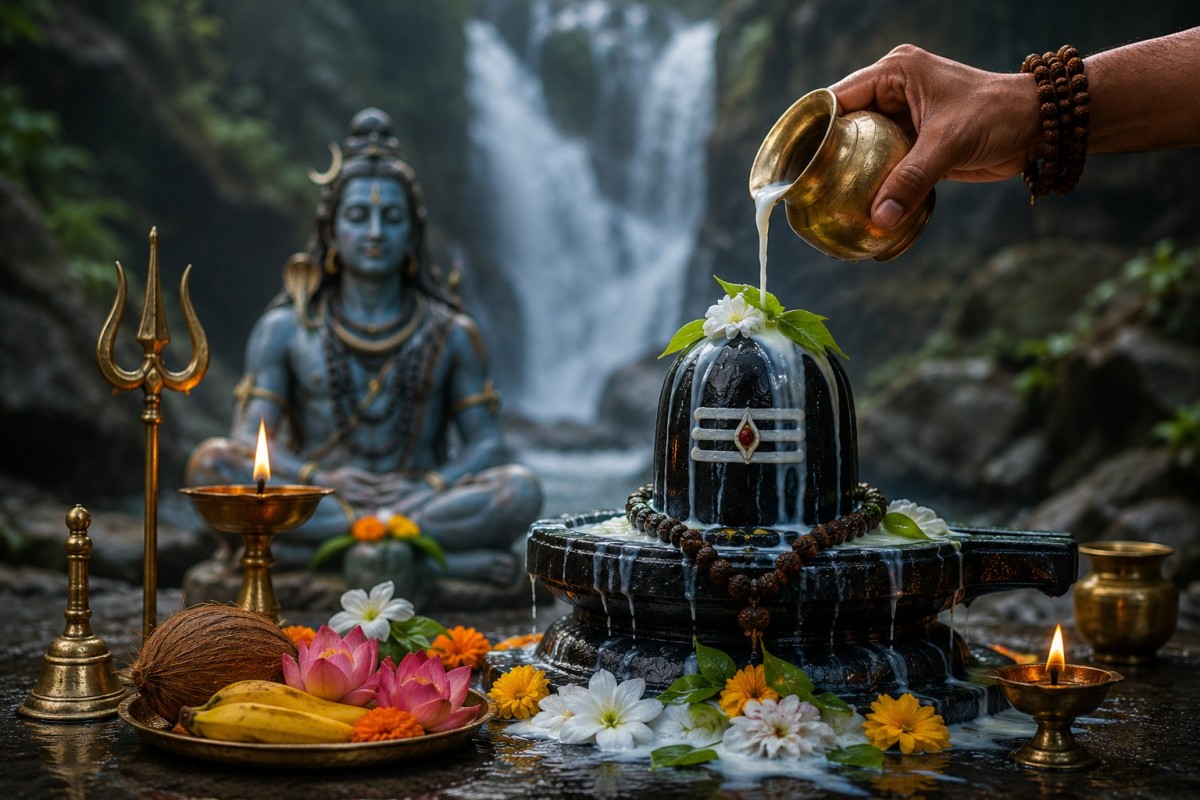
Sawan, also known as Shravan, is one of the holiest months in the Hindu calendar and is dedicated to Lord Shiva. During this sacred period, millions of devotees across India observe fasts, perform Jalabhishek, chant Shiva mantras, and visit temples to seek divine blessings. The month symbolizes devotion, spiritual discipline, and the triumph of faith over negativity.
The significance of Sawan goes beyond rituals. It encourages devotees to lead a simple life, practice self-control, engage in charity, and strengthen their connection with Lord Shiva. Every Monday of the month, known as Sawan Somvar, is considered especially auspicious for worship and fasting.
📅 Sawan 2026: Start Date and End Date
The dates of Sawan differ across India because different regions follow different Hindu calendars.
North India (Purnimanta Calendar)
- Start Date: July 30, 2026
- End Date: August 28, 2026
South and Western India (Amanta Calendar)
- Start Date: July 16, 2026
- End Date: August 14, 2026
Devotees should follow the Panchang observed in their respective states to determine the exact dates and auspicious timings.
🕉️ History of Sawan
The history of Sawan is closely connected to the ancient story of Samudra Manthan (Churning of the Ocean).
According to Hindu mythology, the gods (Devas) and demons (Asuras) churned the cosmic ocean to obtain Amrit, the nectar of immortality. Before the nectar emerged, a deadly poison called Halahala surfaced, threatening to destroy the universe.
To protect all living beings, Lord Shiva consumed the poison. Goddess Parvati stopped the poison from spreading by holding Shiva’s throat, causing it to turn blue. This earned him the name Neelkanth.
To reduce the burning effect of the poison, the gods continuously offered water, milk, and sacred herbs to Lord Shiva. This divine act became the origin of offering Jalabhishek during the month of Sawan.
✨ Religious Significance of Sawan
Sawan is considered the most auspicious month for worshipping Lord Shiva.
Devotees believe that prayers offered during this period receive special blessings. Many unmarried women observe the Sawan Somvar fast to seek an ideal life partner, while married women pray for the health, happiness, and long life of their husbands.
People worship Lord Shiva during Sawan to seek:
- Good health
- Prosperity
- Career success
- Financial stability
- Mental peace
- Protection from negative energies
- Spiritual growth
The month also encourages meditation, charity, compassion, and self-discipline.
🌙 Why is Sawan or Shravan Somvar So Special?
Every Monday during Sawan is known as Sawan Somvar.
Monday is considered the favorite day of Lord Shiva. Devotees wake up early, observe a fast, visit Shiva temples, perform Rudrabhishek, and offer prayers with complete devotion.
Many devotees believe that worshipping Lord Shiva on Sawan Mondays fulfills wishes and removes obstacles from life.
🛕 How to Perform Sawan or Shravan Somvar Puja at Home
Step 1: Wake Up Before Sunrise
Take a bath early in the morning and wear clean clothes. White or light-colored traditional attire is considered auspicious.
Step 2: Clean the Puja Area
Clean your home temple and place a Shivling or an image of Lord Shiva on a clean altar.
Step 3: Arrange the Puja Samagri
Keep the following items ready:
- Gangajal
- Clean water
- Milk
- Honey
- Curd
- Ghee
- Sugar
- Bilva (Bel) leaves
- White flowers
- Sandalwood paste
- Incense sticks
- Diya
- Fruits
- Coconut
- Prasad
Step 4: Perform Jalabhishek
Offer Gangajal and clean water on the Shivling while chanting “Om Namah Shivaya.”
Then perform Abhishek using milk, curd, honey, ghee, and sugar before finally offering clean water again.
Step 5: Offer Bilva Leaves
Place fresh Bilva leaves on the Shivling. Make sure the leaves are clean and not torn.
Step 6: Light the Diya
Light a lamp and incense sticks before beginning prayers.
Step 7: Chant Shiva Mantras
Recite:
- Om Namah Shivaya
- Maha Mrityunjaya Mantra
- Shiva Chalisa
- Rudrashtakam
Step 8: Perform Aarti
Offer fruits, sweets, and perform Lord Shiva’s aarti with devotion before distributing the prasad.
🍃 Sawan Fasting Guidelines
Many devotees observe a fast on every Monday during Sawan.
Common fasting rules include:
- Eat only once after sunset or consume fruits and milk.
- Avoid onion, garlic, meat, eggs, and alcohol.
- Maintain cleanliness throughout the day.
- Speak politely and avoid arguments.
- Spend time in prayer and meditation.
- Donate food or clothes to the needy.
- Visit a Shiva temple whenever possible.
People with medical conditions, pregnant women, elderly individuals, and those taking regular medication should seek medical advice before observing a strict fast.
📿 Powerful Shiva Mantras to Chant
Panchakshari Mantra
Om Namah Shivaya
Maha Mrityunjaya Mantra
Om Tryambakam Yajamahe Sugandhim Pushtivardhanam
Urvarukamiva Bandhanan Mrityor Mukshiya Maamritat.
Regular chanting of these mantras is believed to bring peace, courage, and spiritual strength.
🌸 Benefits of Worshipping Lord Shiva During Sawan
Devotees believe that sincere worship during Sawan can:
- Remove obstacles from life.
- Bring happiness and prosperity.
- Improve physical and mental well-being.
- Strengthen family relationships.
- Bless unmarried devotees with a suitable life partner.
- Protect against negative influences.
- Increase spiritual awareness.
- Bring inner peace and positivity.
🙏 Things to Remember During Sawan
- Visit a Shiva temple in the morning.
- Offer fresh Bilva leaves and Gangajal.
- Chant “Om Namah Shivaya” throughout the day.
- Read Shiva Purana or Shiva Chalisa.
- Practice kindness and charity.
- Avoid anger, dishonesty, and negative thoughts.
🌺 Conclusion
Sawan is much more than a month of fasting—it is a time for spiritual awakening, devotion, and self-improvement. The sacred legends associated with Lord Shiva remind devotees of the values of sacrifice, compassion, and faith. Whether you observe a fast, perform Jalabhishek, chant Shiva mantras, or simply offer heartfelt prayers, every act of devotion during Sawan holds deep spiritual meaning.
As Sawan 2026 begins, devotees across India will celebrate this holy month with great enthusiasm by visiting temples, observing Sawan Somvar Vrats, and seeking Lord Shiva’s blessings. By following the rituals with sincerity, maintaining a pure heart, and living a disciplined life, devotees believe they can invite peace, prosperity, happiness, and divine grace into their lives.
Also Read: Brazilian Model Larissa Responds to Allegations of Rahul Gandhi’s Vote Chori Connection