








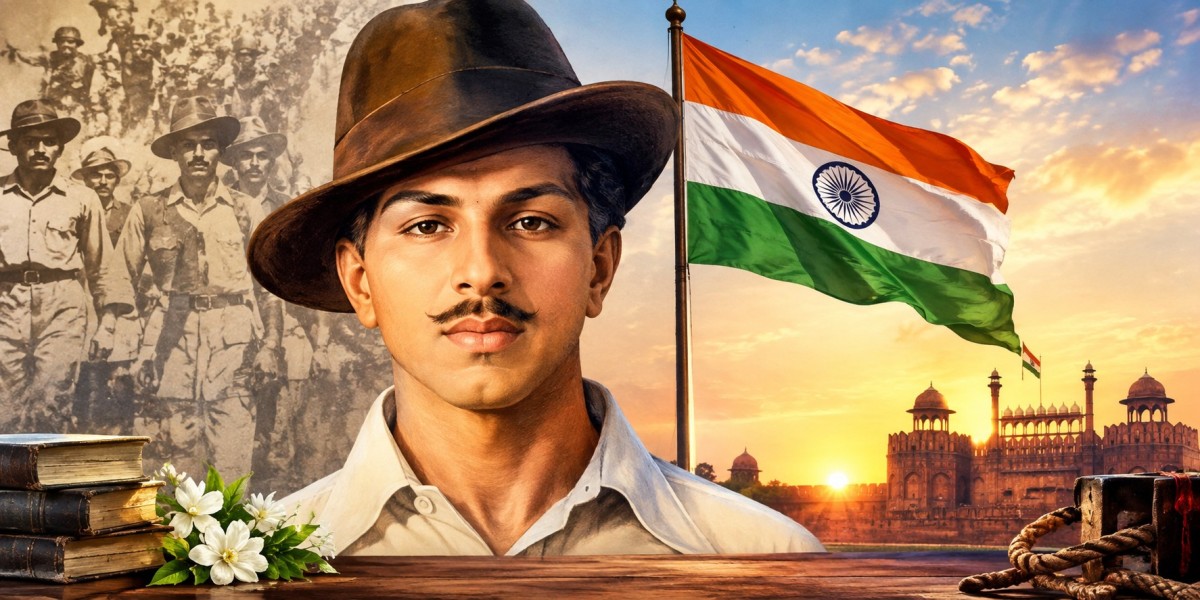
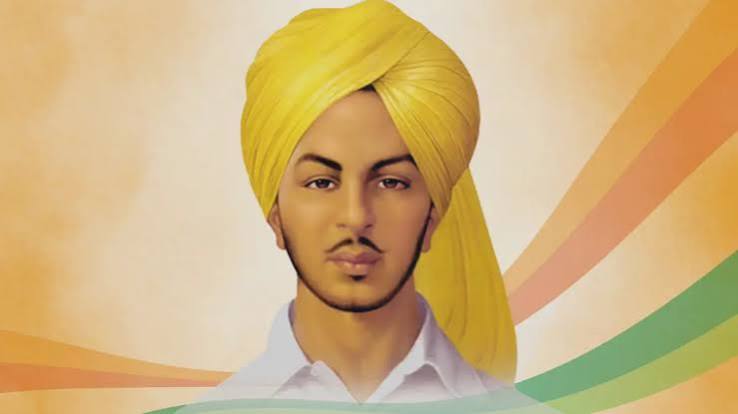
Bhagat Singh Jayanti 2026 marks the birth anniversary of one of the most prominent young revolutionaries of India’s freedom movement. Born on 28 September 1907 in Banga, Punjab, Bhagat Singh developed a strong commitment to India’s independence at a young age. His writings, political ideas and revolutionary activities made him an influential figure in the struggle against British rule.
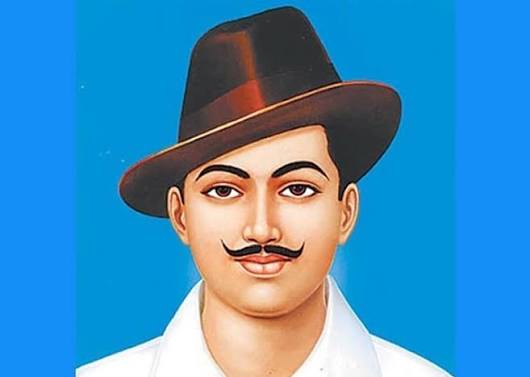
“Bombs and pistols do not make the revolution. The sword of revolution is sharpened on the whetting-stone of ideas.”
🔥 Early Life and the Rise of a Revolutionary
Bhagat Singh grew up in a family that supported India’s freedom movement. The political atmosphere around him influenced his thinking from an early age. He studied history, politics and revolutionary movements and gradually developed his own views on colonial rule and social change.
The Jallianwala Bagh massacre of 1919 deeply affected Bhagat Singh and strengthened his opposition to British rule. As he grew older, he became actively involved in revolutionary organisations and worked with other young nationalists who wanted to challenge colonial authority.
Also Read: Brazilian Model Larissa Responds to Allegations of Rahul Gandhi’s Vote Chori Connection
📚 Ideas, Writing and Political Thinking
Bhagat Singh combined revolutionary action with extensive reading and writing. He studied works on politics, socialism, history and philosophy and used his writings to express his views on independence and society.
His essay “Why I Am an Atheist” remains one of his best-known writings. In it, he explained his personal philosophical position and reflected on reason, belief and human responsibility. His writings show that his contribution went beyond revolutionary activities and included serious engagement with political and social ideas.
“They may kill me, but they cannot kill my ideas.”
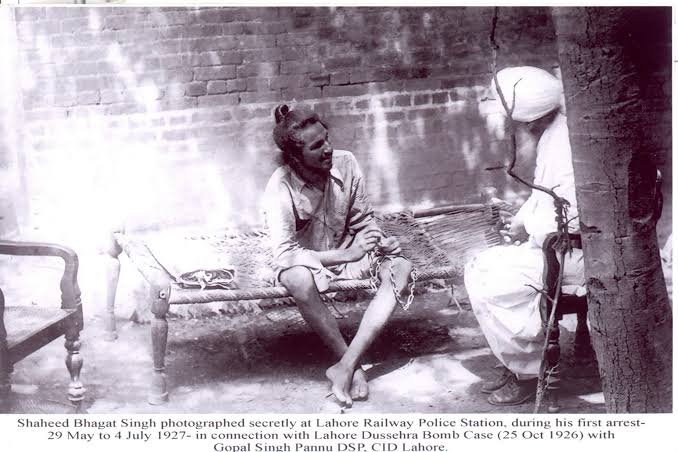
⚔️ The Saunders Case and Revolutionary Activities
In 1928, the death of nationalist leader Lala Lajpat Rai after a police lathi charge became a major turning point for Bhagat Singh and his associates. They planned an attack against the police officer they believed was responsible. However, they mistakenly killed John P. Saunders, a police officer, in Lahore.
The incident led British authorities to intensify their search for the revolutionaries. Bhagat Singh later went underground and continued his revolutionary activities.
🏛️ The Central Legislative Assembly Incident
On 8 April 1929, Bhagat Singh and Batukeshwar Dutt threw low-intensity bombs in the Central Legislative Assembly in Delhi. They deliberately chose a location where they could avoid causing deaths and used the incident to draw attention to their political message.
They also distributed leaflets and shouted slogans before allowing the authorities to arrest them. The subsequent trial gave Bhagat Singh an opportunity to present his political views before a wider audience.
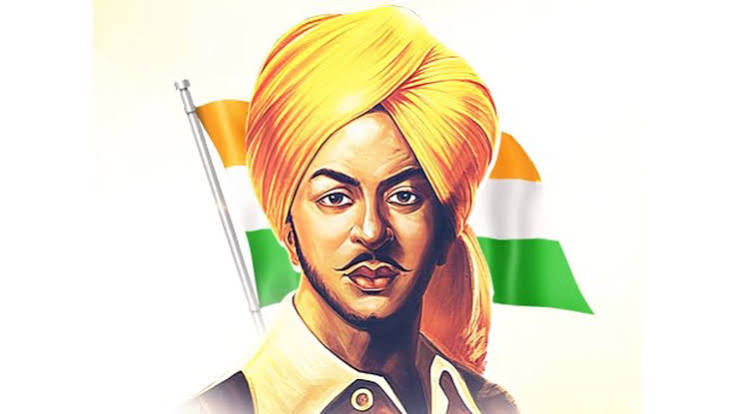
“Revolution is an inalienable right of mankind.”
✊ The Jail Hunger Strike
Bhagat Singh and other prisoners launched a hunger strike to demand better treatment for Indian political prisoners. They raised issues concerning food, clothing, reading materials and prison conditions.
The prolonged hunger strike attracted widespread public attention. Jatin Das, who participated in the protest, died after a lengthy fast in September 1929. His death generated strong public reaction across India.
⚖️ Trial and Execution
British authorities tried Bhagat Singh, Sukhdev Thapar and Shivaram Rajguru in the Lahore Conspiracy Case. The court sentenced the three revolutionaries to death.
Bhagat Singh, Rajguru and Sukhdev were executed on 23 March 1931 in Lahore Jail. Their deaths turned them into enduring symbols of sacrifice and resistance during India’s freedom movement.
“I am a man and all that affects mankind concerns me.”
🌟 Why Bhagat Singh Remains Remembered
Bhagat Singh’s legacy rests on several aspects of his short life. He opposed colonial rule, participated in revolutionary activities, wrote extensively and engaged with questions about political freedom and social change.
His willingness to face imprisonment and ultimately execution at a young age made a lasting impression on the Indian public. Generations of Indians have remembered him through books, films, speeches, educational programmes and public commemorations.
🕯️ Bhagat Singh Jayanti 2026
Bhagat Singh Jayanti provides an opportunity to study the historical circumstances that shaped his political journey. Rather than remembering him only through slogans and symbols, the occasion also encourages readers to explore his writings, his ideas and the broader revolutionary movement of the 1920s.
Schools, colleges and cultural organisations can mark the day through essay competitions, debates, lectures, exhibitions, reading sessions and discussions about India’s freedom struggle.
🇮🇳 Conclusion: Remembering a Young Voice of Freedom
Bhagat Singh lived for only 23 years, but his role in India’s freedom movement left a lasting historical impact. His revolutionary activities, writings and willingness to face the consequences of his actions continue to attract public interest.
Bhagat Singh Jayanti 2026 offers a moment to remember his contribution while understanding the wider history of India’s struggle for independence. His life remains an important part of India’s freedom-movement history and continues to inspire discussions about courage, sacrifice, political ideas and social responsibility.
“Inquilab Zindabad!”
Also Read: World Maritime Day Today: Know Its History, Significance and Global Importance